Acromioclavicular (AC) Joint Disorders Physiotherapy Brisbane southside.
What is an Acromioclavicular Joint Disorder?
An acromioclavicular (AC) joint disorder refers to a medical condition that affects the acromioclavicular joint, which is located at the top of the shoulder where the acromion process of the scapula (shoulder blade) meets the clavicle (collarbone). This joint plays a crucial role in the stability and mobility of the shoulder. AC joint disorders can result from various causes and may lead to pain, limited range of motion, and other symptoms.
What is some common AC Joint Disorders?
What are symptoms of an AC Joint Disorder?
How is an AC Joint Disorder diagnosed?
How can an AC Joint Disorder be prevented?
How can physiotherapy help with an AC Joint Disorder?
Physiotherapy, also known as physical therapy, can be highly beneficial in the management and rehabilitation of acromioclavicular (AC) joint disorders. A physiotherapist is a trained healthcare professional who can assess your condition and develop a personalised treatment plan to address your specific needs. Here's how physiotherapy can help with an AC joint disorder:
If you or a loved one has questions about Hamstring Tendon Tear and how our physiotherapists might be able to help please call us on 07 3706 3407 or email [email protected]. We would love to work with you!
An acromioclavicular (AC) joint disorder refers to a medical condition that affects the acromioclavicular joint, which is located at the top of the shoulder where the acromion process of the scapula (shoulder blade) meets the clavicle (collarbone). This joint plays a crucial role in the stability and mobility of the shoulder. AC joint disorders can result from various causes and may lead to pain, limited range of motion, and other symptoms.
What is some common AC Joint Disorders?
- AC Joint Sprain: This is a common injury that occurs when the ligaments connecting the acromion and clavicle are stretched or torn. It is often caused by a direct blow to the shoulder, such as a fall or collision.
- Arthritis: Osteoarthritis or degenerative joint disease can affect the AC joint, causing pain and stiffness.
- Separation: A more severe injury called AC joint separation can occur when the ligaments are completely torn, leading to a noticeable bump or deformity in the shoulder.
What are symptoms of an AC Joint Disorder?
- Common symptoms of AC joint disorders include pain at the top of the shoulder, especially when moving the arm.
- Swelling and tenderness may also be present.
- In cases of AC joint separation, a visible bump or deformity may be noticeable.
How is an AC Joint Disorder diagnosed?
- A medical history and physical examination are typically conducted to assess the shoulder and pinpoint the source of pain.
- Imaging tests like X-rays or MRI scans may be used to visualise the joint and confirm the diagnosis.
How can an AC Joint Disorder be prevented?
- Preventing AC joint disorders often involves avoiding high-impact or traumatic activities that can lead to injury.
- Using protective equipment during contact sports or activities that pose a risk of shoulder injury is also recommended.
How can physiotherapy help with an AC Joint Disorder?
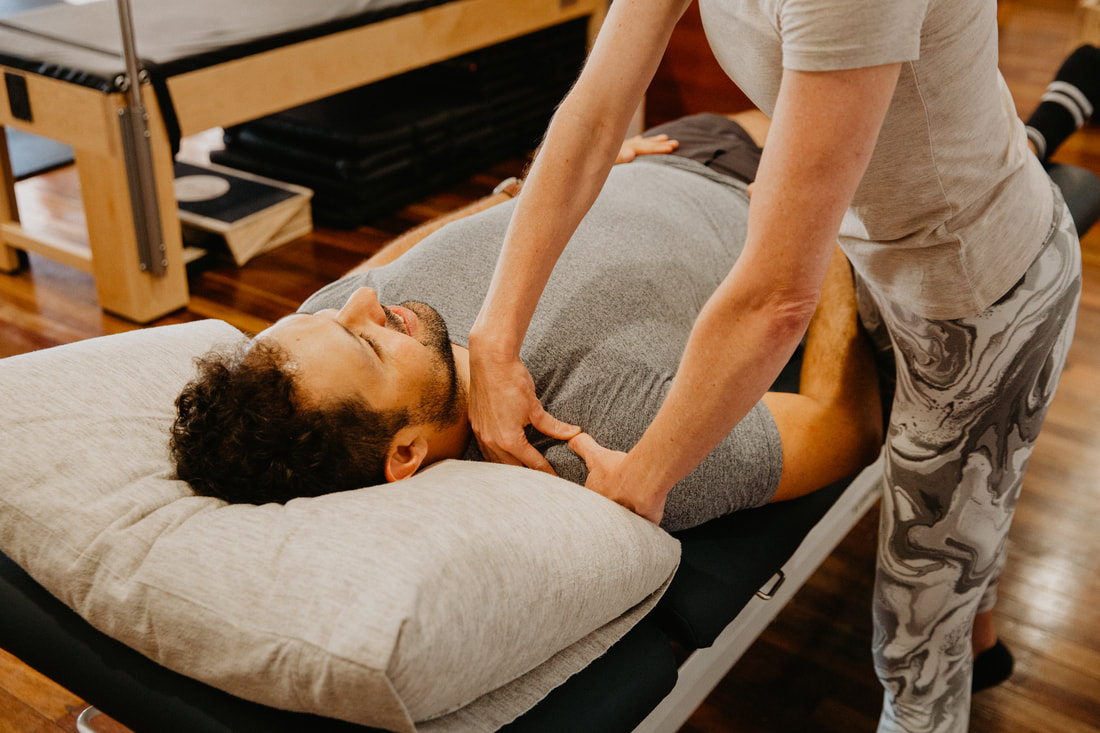
Physiotherapy, also known as physical therapy, can be highly beneficial in the management and rehabilitation of acromioclavicular (AC) joint disorders. A physiotherapist is a trained healthcare professional who can assess your condition and develop a personalised treatment plan to address your specific needs. Here's how physiotherapy can help with an AC joint disorder:
- Pain Management: Physiotherapists can use various techniques such as manual therapy, soft tissue mobilisation, and modalities like ultrasound or electrical stimulation to help reduce pain and inflammation in the affected AC joint.
- Improving Range of Motion: AC joint disorders can lead to stiffness and limited range of motion in the shoulder. Physiotherapy exercises and stretching routines can help improve the flexibility of the joint and surrounding muscles.
- Strengthening Muscles: Weakness in the muscles around the shoulder can contribute to AC joint problems. Physiotherapists can design a strength training program to target specific muscle groups, including the rotator cuff muscles and those supporting the AC joint.
- Posture Correction: Poor posture can exacerbate AC joint issues. Physiotherapists can educate you on proper posture and provide exercises to strengthen the muscles responsible for maintaining good posture.
- Functional Rehabilitation: Physiotherapy aims to restore normal shoulder function. Therapists will guide you through exercises and movements that mimic your daily activities to help you regain functional independence.
- Education and Lifestyle Modification: Physiotherapists can provide you with valuable information on ergonomics, lifestyle modifications, and self-care techniques to prevent further AC joint problems and manage your condition effectively.
- Manual Therapy: Hands-on techniques, such as joint mobilisation and manipulation, may be used by physiotherapists to improve joint mobility and reduce pain in the AC joint.
- Modalities: Physiotherapists can employ modalities like heat, ice, ultrasound, or electrical stimulation to promote healing, reduce inflammation, and alleviate pain in the AC joint.
- Progressive Exercise Program: Physiotherapists will design a customised exercise program tailored to your condition and monitor your progress. As you improve, they will adjust the exercises to challenge you appropriately.
- Preventing Recurrence: Physiotherapists can provide guidance on preventing future AC joint issues by teaching you proper body mechanics, strengthening exercises, and techniques for injury avoidance.
If you or a loved one has questions about Hamstring Tendon Tear and how our physiotherapists might be able to help please call us on 07 3706 3407 or email [email protected]. We would love to work with you!