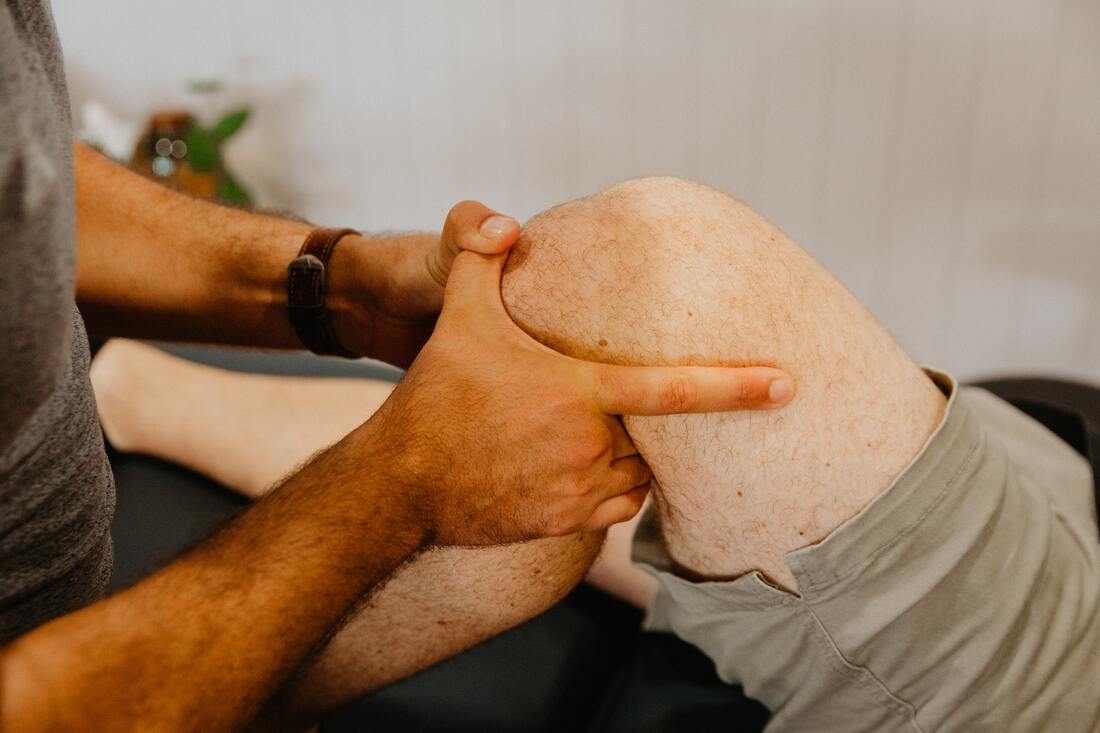
Knee pain physiotherapy Brisbane southside.
Knee pain is a common musculoskeletal complaint that may arise from a multitude of causes. Injuries to the knee itself, as well as the hip, ankle or foot may be the cause, or it may indicate an underlying condition such as gout, arthritis or other structural reason. Pain may start suddenly or develop slowly over years. For some people, pain is only evident during certain activities such as running, walking, taking stairs or prolonged periods of inactivity. During childhood and adolescence pain may be caused by rapid growth rate of bones and changes to the forces imparted onto the joints.
Common Causes of Knee Pain
Ligament sprains or tears
Our knees are given stability through four main ligaments that connect the femur (thighbone) to the tibia (shin bone):
When a ligament is over-loaded via trauma or repeated exposure to overload via inefficient mechanics the fibres can be damaged, resulting in pain, swelling and possibly joint instability.
Cartilage tears (Meniscal tears)
Cartilage in the knee acts as a shock absorber and friction reducing surface. It covers the articulating surfaces of the bones that make up the knee joint. An example of chronic cartilage injury is osteoarthritis or chondromalacia patella. A special form of cartilage is unique to the knee and sits inside the knee joint, this is called Meniscus, we have medial and lateral meniscus. Meniscus tears occurs because of trauma such as forceful twisting or hyper-flexing of the knee joint. But may also be caused through overuse. Symptoms of a torn meniscus may include knee pain, swelling, popping, locking and giving way though meniscal injuries may be asymptomatic.
Chondromalacia Patella
Chondromalacia patella is abnormal softening of the cartilage of the underside the kneecap (patella). It is a cause of pain in the front of the knee Chondromalacia patella is one of the most common causes of chronic knee pain and results from degeneration of cartilage due to poor mechanic movement of the kneecap (patella) as it slides over the lower end of the femur. It can also be secondary to impact or trauma to the kneecap.
Patellofemoral Pain Syndrome
Is characterised by diffuse pain around the knee cap. Patellofemoral pain syndrome is common in hypermobile individuals and can be influenced be a contributor to chondromalacia patella and possible osteoarthritis of the knee cap. Patellofemoral pain syndrome occurs when the kneecap is moving excessively or without good biomechanical control within its groove as the knee/ leg is moved.
Gout
Gout is a painful form of inflammatory arthritis that usually affects the big toe, but can develop in any joint, including one or both knees. It forms when your body has high levels of uric acid. This acid forms sharp crystals that cause sudden bouts of pain, swelling, and tenderness. Gout is treated medically.
Arthritis
Osteoarthritis is the most common arthritis diagnosed regarding the knee joint and it may effect one or more compartments of the knee. Why it occurs is still not completely understood. Exercise and loading modification are the best strategies for treating osteoarthritis.
Patellar tendonitis
This condition is an overuse injury that results in inflammation and pain in the patellar tendon, which connects the kneecap to the shinbone. It is common in athletes who do a lot of jumping and running
Bursitis
Bursitis is the inflammation of the bursa, which is a small fluid-filled sac that provides cushioning between bones and soft tissues. Bursitis can occur in the knee due to overuse or trauma, causing pain and tenderness in the affected area.
Iliotibial band syndrome
The iliotibial band is a thick band of tissue that runs along the outside of the thigh and attaches to the knee. Overuse or tightness of the iliotibial band can cause it to rub against the bone, resulting in pain and inflammation in the knee.
Knee dislocation
A knee dislocation occurs when the bones of the knee are forced out of place, usually as a result of trauma. It is a serious injury that requires immediate medical attention.
Fractures
Fractures or broken bones in the knee can result from trauma or overuse. The severity of the fracture can range from a small crack to a complete break, and treatment may involve immobilisation or surgery.
Osgood-Schlatter disease
This is a common condition in young athletes, particularly those who participate in sports that involve a lot of jumping and running. It results in pain and swelling below the kneecap and is caused by overuse of the quadriceps muscle.
Common Treatments
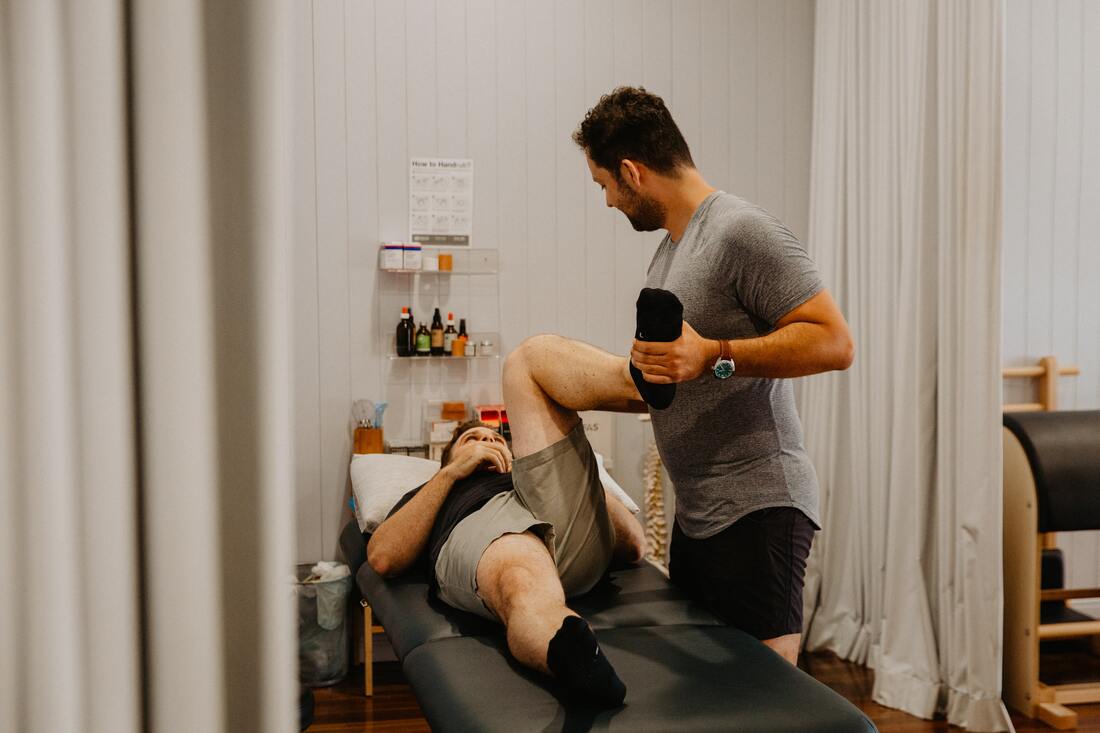
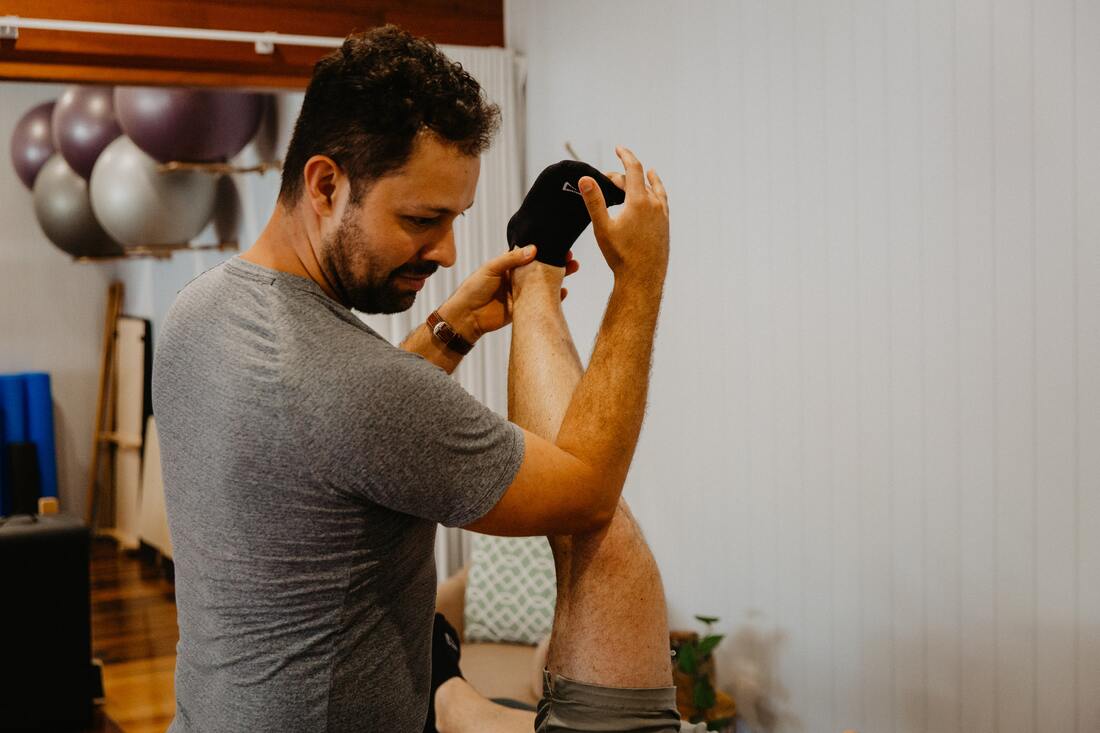
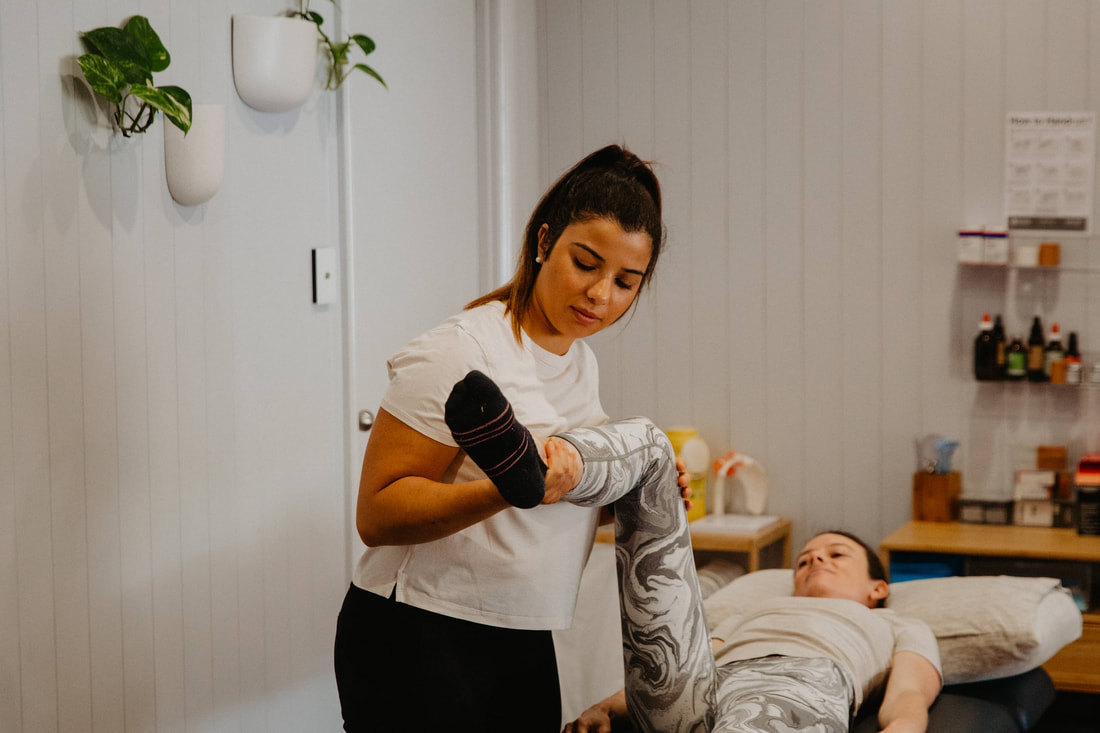
Common treatments for knee pain include PEACE (read more here) - Protect, Elevate, Avoid anti-inflammatory modalities, and Educate – exercises, medication, injections and in some cases surgery. You may require imaging in order to be able to make an accurate diagnosis, and as well as your GP, you may see a physiotherapist, sports physician, specialist and/or surgeon as part of your knee pain journey. Seeing a physiotherapist is a great place to start, as they’ll be able to use common specific tests in order to see what treatment plan is going to help the most. Physiotherapists can help with taping, braces and most importantly exercises in order to help regain strength, and even in cases of surgery can be incredibly beneficial in providing prehab (exercises pre-surgery to help you gain the best outcome) and rehab post-surgery.
If you’re suffering from knee pain and would like to make an appointment, our highly qualified team of Tarragindi Physios are here to help! Give us a call on 07 3706 3407 or email [email protected].
Common Causes of Knee Pain
Ligament sprains or tears
Our knees are given stability through four main ligaments that connect the femur (thighbone) to the tibia (shin bone):
- Anterior cruciate ligament (ACL) - located in the centre of the knee controlling rotation and forward movement of the tibia
- Posterior cruciate ligament (PCL) - located in the centre of the knee controlling backward movement of the tibia
- Medial collateral ligament (MCL) - gives stability to the inner knee
- Lateral collateral ligament (LCL) - gives stability to the outer knee.
When a ligament is over-loaded via trauma or repeated exposure to overload via inefficient mechanics the fibres can be damaged, resulting in pain, swelling and possibly joint instability.
Cartilage tears (Meniscal tears)
Cartilage in the knee acts as a shock absorber and friction reducing surface. It covers the articulating surfaces of the bones that make up the knee joint. An example of chronic cartilage injury is osteoarthritis or chondromalacia patella. A special form of cartilage is unique to the knee and sits inside the knee joint, this is called Meniscus, we have medial and lateral meniscus. Meniscus tears occurs because of trauma such as forceful twisting or hyper-flexing of the knee joint. But may also be caused through overuse. Symptoms of a torn meniscus may include knee pain, swelling, popping, locking and giving way though meniscal injuries may be asymptomatic.
Chondromalacia Patella
Chondromalacia patella is abnormal softening of the cartilage of the underside the kneecap (patella). It is a cause of pain in the front of the knee Chondromalacia patella is one of the most common causes of chronic knee pain and results from degeneration of cartilage due to poor mechanic movement of the kneecap (patella) as it slides over the lower end of the femur. It can also be secondary to impact or trauma to the kneecap.
Patellofemoral Pain Syndrome
Is characterised by diffuse pain around the knee cap. Patellofemoral pain syndrome is common in hypermobile individuals and can be influenced be a contributor to chondromalacia patella and possible osteoarthritis of the knee cap. Patellofemoral pain syndrome occurs when the kneecap is moving excessively or without good biomechanical control within its groove as the knee/ leg is moved.
Gout
Gout is a painful form of inflammatory arthritis that usually affects the big toe, but can develop in any joint, including one or both knees. It forms when your body has high levels of uric acid. This acid forms sharp crystals that cause sudden bouts of pain, swelling, and tenderness. Gout is treated medically.
Arthritis
Osteoarthritis is the most common arthritis diagnosed regarding the knee joint and it may effect one or more compartments of the knee. Why it occurs is still not completely understood. Exercise and loading modification are the best strategies for treating osteoarthritis.
Patellar tendonitis
This condition is an overuse injury that results in inflammation and pain in the patellar tendon, which connects the kneecap to the shinbone. It is common in athletes who do a lot of jumping and running
Bursitis
Bursitis is the inflammation of the bursa, which is a small fluid-filled sac that provides cushioning between bones and soft tissues. Bursitis can occur in the knee due to overuse or trauma, causing pain and tenderness in the affected area.
Iliotibial band syndrome
The iliotibial band is a thick band of tissue that runs along the outside of the thigh and attaches to the knee. Overuse or tightness of the iliotibial band can cause it to rub against the bone, resulting in pain and inflammation in the knee.
Knee dislocation
A knee dislocation occurs when the bones of the knee are forced out of place, usually as a result of trauma. It is a serious injury that requires immediate medical attention.
Fractures
Fractures or broken bones in the knee can result from trauma or overuse. The severity of the fracture can range from a small crack to a complete break, and treatment may involve immobilisation or surgery.
Osgood-Schlatter disease
This is a common condition in young athletes, particularly those who participate in sports that involve a lot of jumping and running. It results in pain and swelling below the kneecap and is caused by overuse of the quadriceps muscle.
Common Treatments
Common treatments for knee pain include PEACE (read more here) - Protect, Elevate, Avoid anti-inflammatory modalities, and Educate – exercises, medication, injections and in some cases surgery. You may require imaging in order to be able to make an accurate diagnosis, and as well as your GP, you may see a physiotherapist, sports physician, specialist and/or surgeon as part of your knee pain journey. Seeing a physiotherapist is a great place to start, as they’ll be able to use common specific tests in order to see what treatment plan is going to help the most. Physiotherapists can help with taping, braces and most importantly exercises in order to help regain strength, and even in cases of surgery can be incredibly beneficial in providing prehab (exercises pre-surgery to help you gain the best outcome) and rehab post-surgery.
If you’re suffering from knee pain and would like to make an appointment, our highly qualified team of Tarragindi Physios are here to help! Give us a call on 07 3706 3407 or email [email protected].
|
|
|