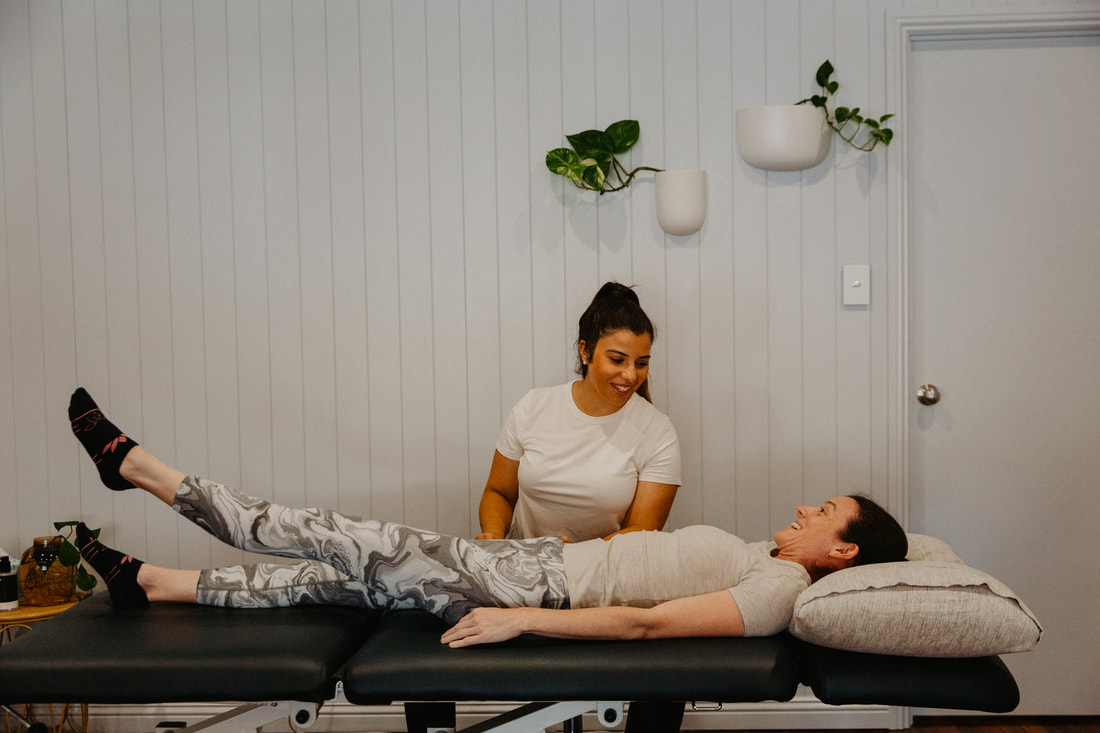
Physiotherapy for Snapping Hip Syndrome Brisbane Southside.
What is Snapping Hip?
Snapping hip, also known as coxa saltans, is a condition characterised by a noticeable snapping or popping sensation in the hip joint during movement. This phenomenon occurs when a muscle or tendon slides over a bony prominence in the hip, creating a snapping sound. There are two main types of snapping hip: internal and external. Internal snapping hip is often associated with the movement of hip flexor (iliopsoas) tendons over the ball-and-socket joint, while external snapping hip involves the movement of muscles or tendons, iliotibial band most commonly over the greater trochanter – the bony prominence of the hip. In many cases, snapping hip is harmless and painless, but in some instances, it may cause discomfort or limit range of motion.
How is Snapping Hip Diagnosed?
How Can Physiotherapy Help with Snapping Hip?
How Can Clinical Pilates Help with Snapping Hip Rehabilitation?
What is the Prognosis for Snapping Hip?
The prognosis for snapping hip is generally favourable with physiotherapy interventions. Through targeted exercises, manual therapy, and biomechanical corrections, physiotherapy can effectively alleviate symptoms, improve joint function, and empower patients to manage and prevent recurrences, leading to a positive long-term outcome. Chronic or severe cases might require further medical intervention or even surgical consideration. Post-surgical rehabilitation focuses on restoring hip function and preventing future episodes.
Additional Tips for Managing Your Condition
At our clinic, we pride ourselves on blending evidence-based practices with compassionate care. We aim to guide you through your journey with snapping hip, ensuring you're well-informed and actively involved in your recovery. Our expert team is here to support and assist you every step of the way.
If you believe you're experiencing symptoms, or wish to learn more about preventive measures, a physiotherapist can be your trusted partner in the journey to optimal health. Remember, understanding and listening to your body are the first steps towards well-being, come in and see our friendly Coorparoo and Tarragindi physiotherapists today!
Call us on 07 3706 3407 or email [email protected] for a booking. We would love to work with you.
Snapping hip, also known as coxa saltans, is a condition characterised by a noticeable snapping or popping sensation in the hip joint during movement. This phenomenon occurs when a muscle or tendon slides over a bony prominence in the hip, creating a snapping sound. There are two main types of snapping hip: internal and external. Internal snapping hip is often associated with the movement of hip flexor (iliopsoas) tendons over the ball-and-socket joint, while external snapping hip involves the movement of muscles or tendons, iliotibial band most commonly over the greater trochanter – the bony prominence of the hip. In many cases, snapping hip is harmless and painless, but in some instances, it may cause discomfort or limit range of motion.
How is Snapping Hip Diagnosed?
- Clinical Examination: physiotherapist will perform a thorough physical examination to assess the patient's range of motion, joint stability, and identify any audible snapping or popping sounds during specific movements.
- Patient History: Gathering information on the patient's medical history, including the onset of symptoms, activities that exacerbate or alleviate the snapping, and any prior injuries or traumas.
- Imaging Studies: X-rays, magnetic resonance imaging (MRI), or ultrasound may be utilised to visualise the hip joint, its structures, and rule out other potential causes of snapping, such as bony abnormalities (FAI) or soft tissue injuries.
- Dynamic Testing: Specialised tests involving specific hip movements may be performed to reproduce the snapping and help identify the precise anatomical structures involved.
- Collaboration with Other Specialists: Collaboration with orthopedic specialists or sports medicine professionals may be sought for a comprehensive diagnosis, especially if surgical intervention is being considered as a treatment option.
How Can Physiotherapy Help with Snapping Hip?
- Targeted Exercises: Implementing a tailored exercise regimen to strengthen hip muscles, addressing imbalances and enhancing joint stability.
- Manual Therapy: Employing hands-on techniques to alleviate muscle tightness, improve flexibility, and enhance overall joint mobility.
- Biomechanical Correction: Conducting a thorough assessment of movement patterns to identify and address any abnormal mechanics contributing to snapping hip.
- Education and Self-Management: Providing patients with education on proper body mechanics, ergonomics, and a personalised home exercise program for ongoing self-management and prevention.
How Can Clinical Pilates Help with Snapping Hip Rehabilitation?
- Customised Programming: Pilates can be tailored to address individual needs, focusing on hip stability and balanced muscle function.
- Core Engagement: Pilates emphasises core stability, a crucial aspect for hip health and functionality.
- Flexibility Training: Enhancing muscle length and joint mobility, potentially reducing snapping incidents.
- Postural Awareness: Developing a better understanding and control of hip positioning during daily activities.
What is the Prognosis for Snapping Hip?
The prognosis for snapping hip is generally favourable with physiotherapy interventions. Through targeted exercises, manual therapy, and biomechanical corrections, physiotherapy can effectively alleviate symptoms, improve joint function, and empower patients to manage and prevent recurrences, leading to a positive long-term outcome. Chronic or severe cases might require further medical intervention or even surgical consideration. Post-surgical rehabilitation focuses on restoring hip function and preventing future episodes.
Additional Tips for Managing Your Condition
- Activity Management: Limit or adjust activities that provoke symptoms while in the recovery phase.
- Heat or Cold: Using ice packs can reduce inflammation, while heat can help relax and loosen tissues, reducing discomfort.
- Footwear: Ensure your shoes provide appropriate support, especially if you're on your feet a lot.
At our clinic, we pride ourselves on blending evidence-based practices with compassionate care. We aim to guide you through your journey with snapping hip, ensuring you're well-informed and actively involved in your recovery. Our expert team is here to support and assist you every step of the way.
If you believe you're experiencing symptoms, or wish to learn more about preventive measures, a physiotherapist can be your trusted partner in the journey to optimal health. Remember, understanding and listening to your body are the first steps towards well-being, come in and see our friendly Coorparoo and Tarragindi physiotherapists today!
Call us on 07 3706 3407 or email [email protected] for a booking. We would love to work with you.