Frozen shoulder physiotherapy Brisbane southside.
What is Frozen Shoulder Disease?
Frozen Shoulder, also known as adhesive capsulitis, is a painful and debilitating condition of the shoulder joint. It is characterised by stiffness, limited range of motion, and pain in the shoulder, which can lead to difficulty with everyday activities such as dressing, sleeping, and reaching.
Frozen Shoulder can be caused by a variety of factors, including injury, surgery, prolonged immobility, or certain medical conditions such as diabetes or thyroid disorders. It is more common in individuals aged 40 to 60 years and is more prevalent in women than men.
How is Frozen Shoulder Diagnosed?
Frozen Shoulder is typically diagnosed by a qualified healthcare professional, such as a physiotherapist, through a physical examination and a detailed medical history. The physiotherapist may also use imaging tests, such as X-rays or MRI scans, to rule out other potential causes of shoulder pain.
The characteristic symptoms of Frozen Shoulder include a gradual onset of shoulder pain, stiffness, and limited range of motion that worsen over time. Pain may be more intense at night and can interfere with sleep.
How can Physiotherapy Help after Frozen Shoulder Diagnosis?
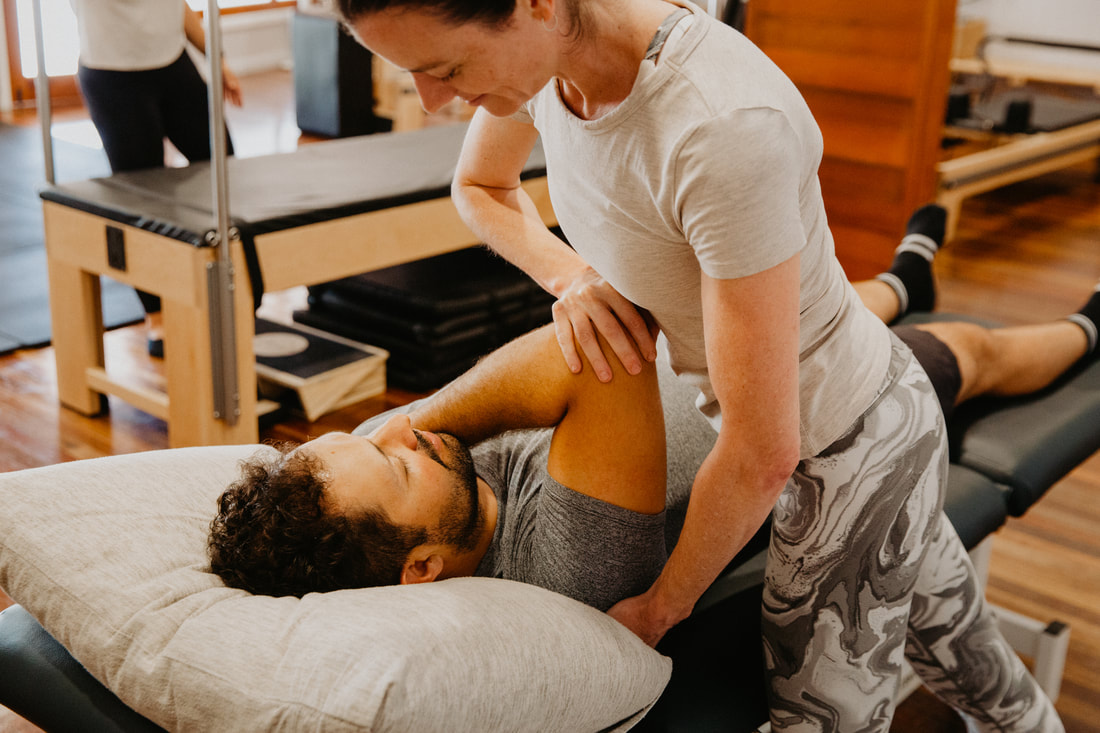
Physiotherapy is an effective treatment option for Frozen Shoulder and can help reduce pain, increase range of motion, and improve overall function. A physiotherapist will develop a customised treatment plan based on the individual's specific needs and goals.
Physiotherapy for Frozen Shoulder may include:
How can Clinical Pilates Help with Frozen Shoulder?
Clinical Pilates is a form of exercise that focuses on core stability, strength, and flexibility. It can be an effective adjunct to physiotherapy for individuals with Frozen Shoulder. Clinical Pilates exercises can improve shoulder mobility and stability, as well as enhance overall posture and body awareness.
A physiotherapist can design a personalised exercise program that is safe and appropriate for individuals with Frozen Shoulder. The program may include exercises to improve scapular stability, shoulder mobility, and overall body alignment.
How long does frozen shoulder recovery take?
The recovery time for Frozen Shoulder can vary depending on the severity of the condition and the individual's response to treatment. In general, the recovery process can take several months to several years.
The Frozen Shoulder recovery process can be divided into three stages: the freezing stage, the frozen stage, and the thawing stage. The duration of each stage can vary, but the entire process can take 1-3 years to complete.
During the freezing stage, which can last 2-9 months, the shoulder becomes increasingly stiff and painful. In the frozen stage, which can last 4-12 months, the pain may decrease but the shoulder remains stiff. Finally, in the thawing stage, which can last 5-24 months, the shoulder gradually regains range of motion and function.
Frozen Shoulder is a painful and debilitating condition that can significantly impact daily activities. However, with proper diagnosis and treatment, most individuals with Frozen Shoulder can achieve significant improvement in pain, range of motion, and overall function. Physiotherapy, including manual therapy, exercise therapy, and education, along with clinical Pilates, can be effective treatment options for individuals with Frozen Shoulder. If you are experiencing shoulder pain or limited mobility, consult with a qualified healthcare professional to determine the best course of treatment for you.
If you or a loved one has questions about frozen shoulder and how our physiotherapists might be able to help please call us on 07 3706 3407 or email [email protected]. We would love to work with you!
Frozen Shoulder, also known as adhesive capsulitis, is a painful and debilitating condition of the shoulder joint. It is characterised by stiffness, limited range of motion, and pain in the shoulder, which can lead to difficulty with everyday activities such as dressing, sleeping, and reaching.
Frozen Shoulder can be caused by a variety of factors, including injury, surgery, prolonged immobility, or certain medical conditions such as diabetes or thyroid disorders. It is more common in individuals aged 40 to 60 years and is more prevalent in women than men.
How is Frozen Shoulder Diagnosed?
Frozen Shoulder is typically diagnosed by a qualified healthcare professional, such as a physiotherapist, through a physical examination and a detailed medical history. The physiotherapist may also use imaging tests, such as X-rays or MRI scans, to rule out other potential causes of shoulder pain.
The characteristic symptoms of Frozen Shoulder include a gradual onset of shoulder pain, stiffness, and limited range of motion that worsen over time. Pain may be more intense at night and can interfere with sleep.
How can Physiotherapy Help after Frozen Shoulder Diagnosis?
Physiotherapy is an effective treatment option for Frozen Shoulder and can help reduce pain, increase range of motion, and improve overall function. A physiotherapist will develop a customised treatment plan based on the individual's specific needs and goals.
Physiotherapy for Frozen Shoulder may include:
- Manual Therapy - gentle mobilisation and stretching techniques to improve joint mobility and reduce stiffness.
- Exercise Therapy - a specific exercise program to improve strength, flexibility, and range of motion.
- Modalities - the use of heat, ice, or electrical stimulation to reduce pain and inflammation.
- Education - on proper posture, body mechanics, and home exercises to maintain progress.
How can Clinical Pilates Help with Frozen Shoulder?
Clinical Pilates is a form of exercise that focuses on core stability, strength, and flexibility. It can be an effective adjunct to physiotherapy for individuals with Frozen Shoulder. Clinical Pilates exercises can improve shoulder mobility and stability, as well as enhance overall posture and body awareness.
A physiotherapist can design a personalised exercise program that is safe and appropriate for individuals with Frozen Shoulder. The program may include exercises to improve scapular stability, shoulder mobility, and overall body alignment.
How long does frozen shoulder recovery take?
The recovery time for Frozen Shoulder can vary depending on the severity of the condition and the individual's response to treatment. In general, the recovery process can take several months to several years.
The Frozen Shoulder recovery process can be divided into three stages: the freezing stage, the frozen stage, and the thawing stage. The duration of each stage can vary, but the entire process can take 1-3 years to complete.
During the freezing stage, which can last 2-9 months, the shoulder becomes increasingly stiff and painful. In the frozen stage, which can last 4-12 months, the pain may decrease but the shoulder remains stiff. Finally, in the thawing stage, which can last 5-24 months, the shoulder gradually regains range of motion and function.
Frozen Shoulder is a painful and debilitating condition that can significantly impact daily activities. However, with proper diagnosis and treatment, most individuals with Frozen Shoulder can achieve significant improvement in pain, range of motion, and overall function. Physiotherapy, including manual therapy, exercise therapy, and education, along with clinical Pilates, can be effective treatment options for individuals with Frozen Shoulder. If you are experiencing shoulder pain or limited mobility, consult with a qualified healthcare professional to determine the best course of treatment for you.
If you or a loved one has questions about frozen shoulder and how our physiotherapists might be able to help please call us on 07 3706 3407 or email [email protected]. We would love to work with you!