Physiotherapy for Teenagers Brisbane Southside
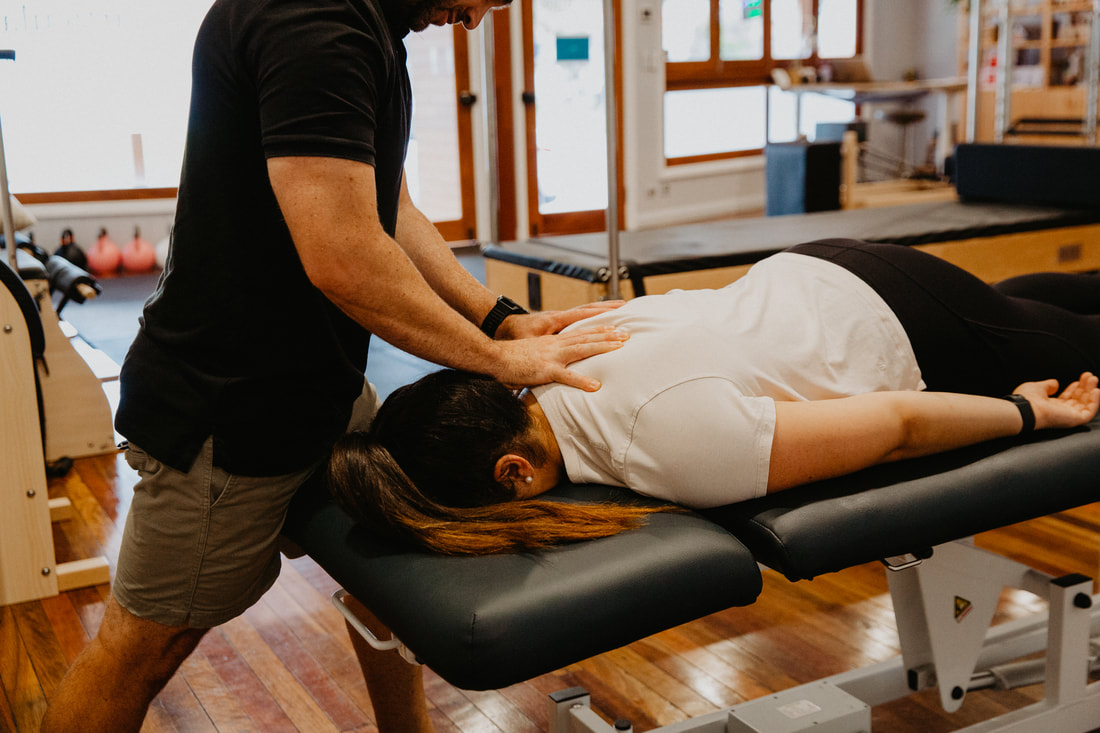
Do you have a teenager who is currently injured, experiencing pain or needing expert advice on sports or exercise? Here at Articulate we frequently treat teenagers and pre-teens from 10 - 19 years, covering a wide variety of injuries and conditions. Our treatments always take into account their growth, level of understanding and lifestyle, with realistic treatment plans and language that empowers them. We understand that teenagers are at a critical stage of their physical development, and injuries or pain can significantly impact their lives. Parents and guardians are always welcome to attend all appointments.
Physiotherapy for teenage sporting injuries
Sporting injuries are common among teenagers who participate in various sports and physical activities. Our team of experienced physiotherapists has the expertise to diagnose and treat all types of sporting injuries. From minor strains and sprains to more severe injuries, we will work with your teenager to develop an individualised treatment plan that gets them back to their sport as quickly and safely as possible. We understand how important returning to sport can be for budding athletes, and we are happy to work with them to help them meet their goals, or work with them on performance enhancement.
Physiotherapy for growth-related conditions
During adolescence, the body undergoes significant growth and changes. As a result, some teenagers may develop growth-related conditions such as Osgood-Schlatter disease, Sever's disease, Scheurmann's disease or scoliosis. These conditions can cause pain and discomfort, and if left untreated, can lead to long-term issues. Our physiotherapists have experience treating these conditions and can develop a treatment plan to alleviate symptoms and prevent further complications.
Physiotherapy for rehabilitation after surgery in teenagers
In some cases, teenagers may require surgery to address a physical issue or injury. After surgery, physiotherapy can be essential in helping them regain mobility, strength, and function. Our physiotherapists can work with your teenager's surgeon to develop a rehabilitation plan that is tailored to their specific needs and recovery goals.
Physiotherapy for chronic pain in teenagers
Chronic pain is not uncommon among teenagers and can be caused by a variety of factors such as poor posture, overuse injuries, or medical conditions such as fibromyalgia. Our physiotherapists can provide treatment and management strategies for chronic pain, including exercises, manual therapy, and education on pain management techniques.
Physiotherapy for teen mental health
Mental health is a critical aspect of overall health and wellbeing, and physiotherapy can play a role in supporting teenagers' mental health. Exercise has been shown to have positive effects on mental health, and our physiotherapists can work with your teenager to develop an exercise plan that is both safe and enjoyable. Additionally, physiotherapy can help reduce stress and anxiety by providing relaxation techniques and education on mindfulness and breathing exercises.
Physiotherapy for teenage postural issues
Poor posture is a common issue among teenagers due to prolonged sitting, poor ergonomic practices, and carrying heavy school bags. Our physiotherapists will assess your teenager's posture and develop a treatment plan that includes exercises to improve their posture, as well as tips on ergonomics and how to avoid poor posture habits.
Dance Physiotherapy and Pre-Pointe assessments for teenagers
Dance can be physically demanding and puts a lot of stress on the body, particularly on the feet, ankles, and knees. Our physiotherapists have specialised training in dance physiotherapy and can provide treatment and advice on how to prevent injuries in dancers. We can also work with dance teachers to ensure that their students are using proper technique and avoiding injuries.
General Sprains and Strains in teenagers
General sprains and strains can occur in daily life and can be particularly frustrating for teenagers who want to stay active. Our physiotherapists can provide treatment and advice on how to manage these injuries, as well as how to prevent them from recurring.
At our clinic, we understand that every teenager's needs are unique, and we take a personalised approach to treatment. Our physiotherapists will work closely with your teenager to develop a treatment plan that is tailored to their specific needs and goals. Our aim is to help your teenager return to their daily activities, sports, and hobbies with confidence and ease.
Contact us today to schedule an appointment with one of our physiotherapists and take the first step towards a healthier, happier teenager. If you have any questions about how we can help your teen or pre-teen give our friendly physiotherapy team a call on 07 3706 3407 or email us at [email protected].
Physiotherapy for teenage sporting injuries
Sporting injuries are common among teenagers who participate in various sports and physical activities. Our team of experienced physiotherapists has the expertise to diagnose and treat all types of sporting injuries. From minor strains and sprains to more severe injuries, we will work with your teenager to develop an individualised treatment plan that gets them back to their sport as quickly and safely as possible. We understand how important returning to sport can be for budding athletes, and we are happy to work with them to help them meet their goals, or work with them on performance enhancement.
Physiotherapy for growth-related conditions
During adolescence, the body undergoes significant growth and changes. As a result, some teenagers may develop growth-related conditions such as Osgood-Schlatter disease, Sever's disease, Scheurmann's disease or scoliosis. These conditions can cause pain and discomfort, and if left untreated, can lead to long-term issues. Our physiotherapists have experience treating these conditions and can develop a treatment plan to alleviate symptoms and prevent further complications.
Physiotherapy for rehabilitation after surgery in teenagers
In some cases, teenagers may require surgery to address a physical issue or injury. After surgery, physiotherapy can be essential in helping them regain mobility, strength, and function. Our physiotherapists can work with your teenager's surgeon to develop a rehabilitation plan that is tailored to their specific needs and recovery goals.
Physiotherapy for chronic pain in teenagers
Chronic pain is not uncommon among teenagers and can be caused by a variety of factors such as poor posture, overuse injuries, or medical conditions such as fibromyalgia. Our physiotherapists can provide treatment and management strategies for chronic pain, including exercises, manual therapy, and education on pain management techniques.
Physiotherapy for teen mental health
Mental health is a critical aspect of overall health and wellbeing, and physiotherapy can play a role in supporting teenagers' mental health. Exercise has been shown to have positive effects on mental health, and our physiotherapists can work with your teenager to develop an exercise plan that is both safe and enjoyable. Additionally, physiotherapy can help reduce stress and anxiety by providing relaxation techniques and education on mindfulness and breathing exercises.
Physiotherapy for teenage postural issues
Poor posture is a common issue among teenagers due to prolonged sitting, poor ergonomic practices, and carrying heavy school bags. Our physiotherapists will assess your teenager's posture and develop a treatment plan that includes exercises to improve their posture, as well as tips on ergonomics and how to avoid poor posture habits.
Dance Physiotherapy and Pre-Pointe assessments for teenagers
Dance can be physically demanding and puts a lot of stress on the body, particularly on the feet, ankles, and knees. Our physiotherapists have specialised training in dance physiotherapy and can provide treatment and advice on how to prevent injuries in dancers. We can also work with dance teachers to ensure that their students are using proper technique and avoiding injuries.
General Sprains and Strains in teenagers
General sprains and strains can occur in daily life and can be particularly frustrating for teenagers who want to stay active. Our physiotherapists can provide treatment and advice on how to manage these injuries, as well as how to prevent them from recurring.
At our clinic, we understand that every teenager's needs are unique, and we take a personalised approach to treatment. Our physiotherapists will work closely with your teenager to develop a treatment plan that is tailored to their specific needs and goals. Our aim is to help your teenager return to their daily activities, sports, and hobbies with confidence and ease.
Contact us today to schedule an appointment with one of our physiotherapists and take the first step towards a healthier, happier teenager. If you have any questions about how we can help your teen or pre-teen give our friendly physiotherapy team a call on 07 3706 3407 or email us at [email protected].
|

|
|
If you are unsure about which appointment type is right for you, please don't hesitate to get in touch with our friendly reception staff by calling 07 3706 3407 or emailing [email protected].