articulate.
  • HOME
    • Our Team >
      • Mauricio Bara
      • Ash O'Regan
      • Bethany Kippen (nee Bethany Dick)
      • Eliane Machado
      • Emma Cameron
      • Yulia Khasyanova
  • BOOKINGS
    • Patient Portal
  • PHYSIOTHERAPY SERVICES
    • Physiotherapy Services & Pricing >
      • Physiotherapy FAQs
      • Pregnancy Physiotherapy
      • Postnatal Physiotherapy
      • Mastitis Physiotherapy
    • Physiotherapy for Teenagers
    • GP Chronic Condition Management Plan Physiotherapy
    • CTP Physiotherapy
    • Dance Physiotherapy >
      • Pre-Pointe Assessments
    • Dry Needling
    • DVA Physiotherapy
    • NDIS Physiotherapy
    • Real Time Ultrasound
    • Telehealth Online Physiotherapy
    • Workcover Physiotherapy
  • EXERCISE PHYSIOLOGY SERVICES
    • Exercise Physiology Services & Pricing
    • GP Chronic Condition Management Plan Exercise Physiology
    • CTP Exercise Physiology
    • DVA Exercise Physiology
    • NDIS Exercise Physiology
    • Workcover Exercise Physiology
  • PHYSIO & EX PHYS LED PILATES
    • Clinical Exercise Class Timetable & Pricing
    • Balance & Bones Exercise Classes
    • Diabetes Management Exercise Classes
    • Prenatal Pilates 8 Week Course >
      • Prenatal Pilates FAQs
    • Mums & Bubs Postnatal 8 Week Block >
      • Mums & Bubs Pilates FAQs
  • GENERAL PILATES
    • Reformer Pilates Timetable
    • Pilates Pricing & Passes
    • Pilates FAQs
    • Memberships
    • Pilates Privates
    • Pilates Health Fund Claiming
  • CONDITIONS WE TREAT
    • Arthritis >
      • Ankle Osteoarthritis
      • Rheumatoid Arthritis
      • Shoulder Arthritis
      • Spondyloarthropathies and Ankylosing Spondylitis
      • Osteoarthritis of the Hip
    • Spine & Back >
      • Ankylosing Spondylitis
      • Degenerative Disc Disease
      • Herniated Discs
      • Sciatica
      • Spondylolysis and Spondylolisthesis
      • Kyphosis
      • Facet Joint Syndrome
      • Spinal Stenosis
      • Sacroiliac Joint Dysfunction
      • Sacroiliitis and SIJ Pain
    • Sprains and Strains >
      • Calf Strain
      • Groin Strains
      • Ligament Sprains
      • Muscle Strains
      • Repetitive Strain Injury
    • Foot and Ankle Pain >
      • Achilles Tendinopathy
      • Bunions
      • Flat Feet
      • Hammer, Claw & Mallet Toes
      • Heel Spurs
      • Metatarsalgia
      • Morton's Neuroma
      • Plantar Fasciitis
      • Posterior Tibial Tendon Dysfunction (PTTD)
      • Sesamoiditis
      • Stress Fractures
      • Tarsal Tunnel Syndrome
    • Calf Pain >
      • Shin Splints | Medial tibial stress syndrome (MTSS)
    • Knee Pain >
      • Anterior Cruciate Ligament (ACL) Injuries
      • Baker's Cyst
      • Chondromalacia Patella
      • Iliotibial Band Syndrome
      • Lateral Collateral Ligament (LCL) Injuries
      • Ligamentous Laxity or Hypermobility of the Knee
      • Jumper's Knee (Patellar Tendinopathy)
      • Medial Collateral Ligament (MCL) Injuries
      • Meniscal Tears
      • Osteoarthritis of the Knee
      • Knee Gout
      • Knee Dislocations
      • Knee Bursitis
      • Patellofemoral Pain Syndrome
      • Posterior Cruciate Ligament (PCL) Injuries
      • Quadriceps Tendon Tear
    • Hip Pain >
      • Pelvic Girdle Pain
      • Labral Tears
      • Gluteal Tendinopathy
      • Hip Bursitis
      • Piriformis Syndrome
      • Femoroacetabular Impingment Syndrome | FAI
      • Greater Trochanteric Pain Syndrome (GTPS)
      • Hip Adductor Strain
      • Hip Fractures
      • Hip Flexor Strain
      • Snapping Hip Syndrome
    • Neck Pain >
      • Atlantoaxial Instability
      • Thoracic Outlet Syndrome
      • Cervical Instability
      • Cervical Myelopathy
      • Cervical Facet Joint Syndrome
      • Cervical Radiculopathy
      • Cervical Stenosis
      • Cervical Spondylosis
      • Cervical Disc Herniation
      • Cranio-Cervical Instability
      • Torticollis
      • Whiplash Treatment
    • Headaches and Migraines >
      • Cervicogenic Headache
    • TMJ and Jaw Pain
    • Wrist Pain >
      • Carpal Tunnel Syndrome
      • DeQuervain Tenosynovitis
    • Tennis Elbow
    • Shoulder Pain >
      • Acromioclavicular (AC) Joint Disorders
      • Brachial Plexus Injuries
      • Calcific Tendinitis
      • Frozen Shoulder
      • Glenohumeral Joint Instability
      • Rotator Cuff Injury
      • SLAP Tears (Superior Labrum Anterior to Posterior tears)
      • Shoulder Bursitis
      • Shoulder Dislocations
      • Shoulder Impingement
      • Winged Scapula
    • Bursitis
    • Fracture Rehabilitation
    • Growth related conditions >
      • Scheuermann's Disease
      • Sever's Disease
      • Osgood-Schlatter Disease
      • Sinding-Larsen-Johansson Syndrome
    • Performance Enhancement
    • Sports Injuries >
      • AFL
      • Athletic Throwing
      • Artistic Swimming
      • Baseball
      • Basketball
      • Beach Volleyball
      • Cricket
      • CrossFit
      • Cycling
      • Diving
      • Endurance Running
      • Futsal
      • Golf
      • Gymnastics
      • High Jump
      • Hockey
      • Karate
      • Kickboxing
      • Long Jump
      • MMA
      • Netball
      • Boxing
      • Pickleball
      • Powerlifting
      • Rock Climbing
      • Rowing
      • Rugby League
      • Rugby Union
      • Soccer
      • Softball
      • Strength Athletes
      • Sailing
      • Skiing
      • Snowboarding
      • Sprinting
      • Squash
      • Surfing
      • Swimming
      • Tennis
      • Touch Football
      • Triathlons
      • Volleyball
      • Water Polo
      • Weightlifting
      • Wrestling
      • Yoga
    • Chronic Pain >
      • CRPS
      • Chronic Fatigue Syndrome/Myalgic Encephalmyelitis
      • Fibromyalgia
      • Osteogenesis Imperfecta
    • Osteoporosis
    • Hypermobility >
      • Ehlers-Danlos Syndrome
      • Joint Hypermobility Syndrome
      • Loeys-Dietz Syndrome
      • Marfan Syndrome
      • Stickler Syndrome
    • POTS
    • Hypotension
    • Balance and Coordination >
      • Postural Disorders
      • Vestibular Disorders
    • Healthy Aging
    • Neurological Conditions >
      • Alzheimer's Disease
      • Concussions
      • Charcot-Marie-Tooth
      • Guillain-Barre Syndrome
      • Multiple Sclerosis
      • Peripheral Neuropathies
      • Parkinsons Disease
      • Stroke Rehabilitation
    • Post-Surgical Rehab >
      • Abdominoplasty
      • Achilles Tendon Rupture Repair
      • ACDF Rehabilitation
      • Acromioclavicular (AC) Joint Reconstruction
      • Ankle Ligament Repair
      • Anterior Ankle Impingement Surgery
      • Anterior Cruciate Ligament (ACL) Repair
      • Artificial Disc Replacement
      • Bunionectomy
      • Carpal Tunnel Release
      • Clavicle ORIF
      • Diastasis Recti Repair
      • Discectomy
      • Distal Biceps Tendon Repair
      • Flatfoot Reconstruction
      • Greater Trochanteric Repair
      • Hamstring Tendon Repair
      • Hernia Repair
      • Hip Arthroscopy
      • High Tibial Osteotomy
      • Fixations Following Fracture
      • Labral Repair
      • Laminectomy
      • LUCL Repair
      • Latarjet Procedure Rehabilitation
      • Lisfranc Injury Repair
      • Meniscus Repair
      • MPFL Reconstruction Rehabilitation
      • Neck of Femur Fracture Fixation
      • Osteochondral Grafting or Microfracture Surgery
      • Patellar Tendon Repair
      • Patellar Tendon Transfer
      • Pelvic Fracture Fixation
      • Posterior Cruciate Ligament (PCL) Reconstruction
      • Proximal Humerus ORIF
      • Quadriceps Tendon Repair
      • Rotator Cuff Repair
      • Reverse Total Shoulder Replacement Rehabilitation | Physio Brisbane Southside
      • Sacroiliac Joint Fusion
      • Scoliosis Repair
      • Shoulder Reconstruction
      • SLAP Lesion Repair
      • Spinal Fusion
      • Subacromial Decompression
      • Total Knee Replacement
      • Total Hip Replacement
      • Triple Arthrodesis
      • Ulnar Collateral Ligament Reconstruction
      • Scaphoid Fracture Fixation
      • Radial Head Replacement
      • Tendon Release
    • Women's Health Conditions >
      • Abdominal separation (rectus diastasis or DRAMS)
      • Menopause & Perimenopause
      • Polycystic Ovary Syndrome (PCOS) Physiotherapy
      • Pregnancy-Related Issues >
        • Pregnancy-Related Back Pain
        • Diastasis Recti (Abdominal Separation)
        • Pelvic Girdle Pain (Symphysis Pubis Dysfunction)
        • Postural Changes During Pregnancy
        • Return to Running After Pregnancy
    • Exercise After Bariatric Surgery
    • Exercise After Cancer Treatment
    • Semaglutides / GLP-1 & Exercise
  • CAREERS
  • BLOG
  • REFERRAL FORM
  • CONTACT US
  • GIFT VOUCHERS
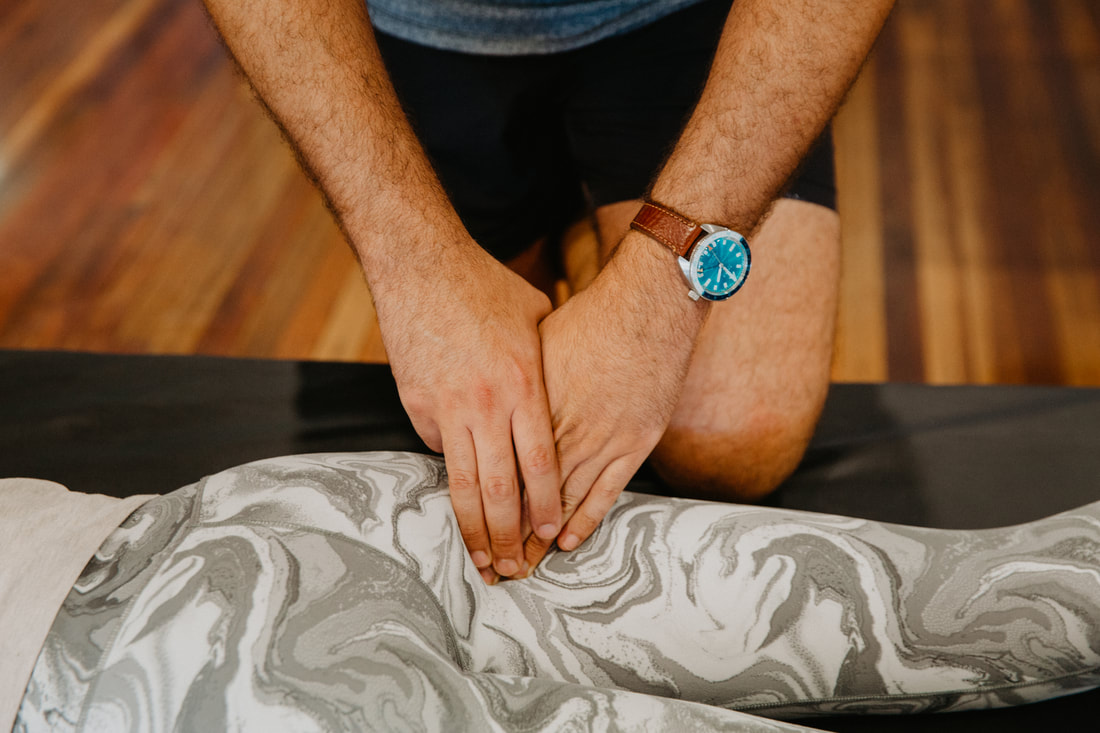
 Muscle strain injury physiotherapy assessment and treatment at Articulate Physiotherapy Tarragindi Brisbane southside

Muscle Strains.

What is a muscle strain?
A muscle strain — commonly called a pulled muscle — occurs when muscle fibres are overstretched or torn, either partially or completely. Strains range from grade 1 (minor fibre disruption with minimal strength loss and a few days to a week of recovery) through grade 2 (significant partial tearing with moderate pain, swelling and weakness) to grade 3 (complete muscle rupture requiring weeks to months of rehabilitation and occasionally surgical consideration).

The muscle-tendon junction — where the muscle transitions into tendon — is the most mechanically vulnerable zone and the most common site of tearing, as it experiences the greatest stress concentration during forceful eccentric loading.

Muscle strains differ from ligament sprains, which involve the fibrous tissue connecting bone to bone. Both are common soft tissue injuries but have distinct mechanisms, healing timescales and rehabilitation approaches.

What causes muscle strains?
Strains occur when a muscle is asked to produce force beyond its current capacity — either from a sudden explosive effort that exceeds the muscle's tensile strength, or from cumulative fatigue that progressively reduces capacity until a threshold is crossed. Causes include overexertion through excessive physical activity especially without proper warm-up, sudden forceful movements or impacts, poor posture during activities that stresses muscles, fatigue that makes muscles more susceptible, and inadequate hydration. 
​
The most consistently significant risk factor for muscle strain is previous injury to the same muscle. A muscle that has been strained before has altered architecture at the scar tissue site — it is stiffer, less elastic, and the collagen fibres are less well-organised than original muscle tissue. This makes re-strain at or near the original injury site significantly more likely, which is precisely why inadequate rehabilitation of the first strain so often leads to recurrence.

Which muscles are most commonly strained?
The muscles most frequently presenting to physiotherapy with strains reflect the demands of sport and daily activity. The hamstrings — particularly the biceps femoris long head — are by far the most commonly strained muscle in sprinting and field sports. The calf, hip adductors and hip flexors follow in frequency. In the upper body, the rotator cuff, pectoralis major and biceps brachii are most commonly affected. Lower back muscle strains — though often grouped with other causes of lower back pain — are one of the most common presentations in general physiotherapy practice.

What are the symptoms?
The classic acute presentation is a sudden sharp pain during activity, often with a sensation of tearing or popping. The athlete or patient typically stops immediately and cannot continue the aggravating activity. In grade 2 and 3 strains, bruising and significant swelling develop in the hours following injury, and the affected region is tender to palpation. Strength is reduced in proportion to the degree of tearing — grade 1 strains may produce minimal weakness while grade 3 ruptures produce a complete inability to generate force through the affected muscle.

Chronic or recurrent strains may present more gradually — a persistent aching or tightness in the muscle that worsens with activity and improves with rest, without a clear acute event. This pattern often reflects repeated minor trauma to a muscle that was never fully rehabilitated after a prior injury.

How is it diagnosed?
Clinical assessment by a physiotherapist involves palpation to localise the tender zone, assessment of active and passive range of motion, and resisted strength testing to grade the severity and identify which muscle is involved. The clinical examination is often sufficient for diagnosis and management planning.

Ultrasound is the most accessible and useful imaging for acute muscle strains — it directly visualises the tear, its size, location and depth, and rules out complete rupture. MRI provides more comprehensive information for complex, high-grade or treatment-resistant presentations.

How can physiotherapy help?
In the acute phase — the first 48 to 72 hours — management follows the POLICE principle: Protection, Optimal Loading, Ice, Compression and Elevation. Complete rest is rarely the right approach. Gentle movement within pain-free range maintains tissue nutrition and prevents the stiffness and disuse atrophy that complicate recovery if the muscle is completely immobilised.

From day three to four onward for grade 1 strains, and progressively later for higher-grade injuries, rehabilitation begins. Physiotherapy develops customised exercise programs targeting three key goals: strengthening the affected muscle and surrounding muscles to support healing and prevent future strains, improving range of motion and flexibility, and enhancing proprioception to prevent re-injury. 
​
The most important and most frequently undertreated phase is eccentric strengthening — loading the muscle as it lengthens under tension. This is the mechanical demand that originally caused the strain, and building capacity for this demand is what actually prepares the muscle for return to full activity. Programs that only include concentric (shortening) exercises and basic stretching, without progressive eccentric loading, consistently produce athletes who feel recovered but have not rebuilt the specific capacity that protects against re-injury.

Dry needling assists with pain management and muscle relaxation in the acute and subacute phases. Real time ultrasound can monitor healing of the tear and guide the timing of progressive loading. Clinical Pilates provides a controlled environment for progressive muscle loading during rehabilitation when full sport training is not yet appropriate.

Return to sport is guided by objective criteria — strength symmetry testing, functional movement assessment and sport-specific performance — rather than symptom resolution or a fixed number of weeks. Pain-free walking or jogging is not the same as readiness to sprint, change direction or tackle.

For patients whose muscle strain occurred in a workplace incident, WorkCover funded physiotherapy and capacity assessment is available.
Our physiotherapists Eliane Machado, Bethany Kippen and Emma Cameron all have experience in muscle strain management and are members of the Australian Physiotherapy Association.
​
To book or find out more, call us on 07 3706 3407 or book online below. We see patients from across Brisbane's southside including Tarragindi, Coorparoo, Holland Park, Greenslopes and Mt Gravatt.
BOOK YOUR INITIAL Physiotherapy appointment here

Who to book in with:

Picture

Ash O'Regan
Exercise Physiologist.

Find out more about ash
Emma Cameron, Physiotherapist and Exercise Scientist specialising in muscle strain and return to sport rehabilitation at Articulate Physiotherapy Tarragindi Brisbane southside

Emma Cameron
Physiotherapist and Exercise Scientist.

find out more about emma
Bethany Kippen, Senior Physiotherapist specialising in muscle injury and sports rehabilitation at Articulate Physiotherapy Tarragindi Brisbane southside

Bethany Kippen
Physiotherapist.

Find out more about bethany

    Email us.

Submit
In the spirit of reconciliation Articulate acknowledges the Traditional Custodians of country throughout Australia and their connections to land, sea and community. We pay our respect to their Elders past and present and extend that respect to all Aboriginal and Torres Strait Islander peoples today.
articulate. physiotherapy

​48 Esher St | Tarragindi | Qld | 4121

Phone 07 3706 3407

Fax 07 3036 6644

Email [email protected]

Clinic Hours
Monday - Thursday 5:00am - 7:00pm
Friday 5:00am - 5:00pm
Saturday 6:00am - 3:00pm
Sunday 7:00am - 11:00am

Please note our admin hours are 9am - 5pm Mon - Thursday, 9am - 4pm Friday and 8am - 1pm Saturday. Please leave a message if no one answers the phone and we will get back to you as soon as possible.
book online

Areas we service

We're conveniently located in Tarragindi and see patients from across Brisbane's southside, including:

​ Annerley | Camp Hill | Coorparoo | Dutton Park | Ekibin | Fairfield | Greenslopes | Holland Park | Holland Park West | Macgregor | Moorooka | Mt Gravatt | Nathan | Robertson | Salisbury | Stones Corner | Tarragindi | Wellers Hill | Yeerongpilly | Yeronga

​
If you are looking for a physio near me, or Pilates near me we would love to help!
  • HOME
    • Our Team >
      • Mauricio Bara
      • Ash O'Regan
      • Bethany Kippen (nee Bethany Dick)
      • Eliane Machado
      • Emma Cameron
      • Yulia Khasyanova
  • BOOKINGS
    • Patient Portal
  • PHYSIOTHERAPY SERVICES
    • Physiotherapy Services & Pricing >
      • Physiotherapy FAQs
      • Pregnancy Physiotherapy
      • Postnatal Physiotherapy
      • Mastitis Physiotherapy
    • Physiotherapy for Teenagers
    • GP Chronic Condition Management Plan Physiotherapy
    • CTP Physiotherapy
    • Dance Physiotherapy >
      • Pre-Pointe Assessments
    • Dry Needling
    • DVA Physiotherapy
    • NDIS Physiotherapy
    • Real Time Ultrasound
    • Telehealth Online Physiotherapy
    • Workcover Physiotherapy
  • EXERCISE PHYSIOLOGY SERVICES
    • Exercise Physiology Services & Pricing
    • GP Chronic Condition Management Plan Exercise Physiology
    • CTP Exercise Physiology
    • DVA Exercise Physiology
    • NDIS Exercise Physiology
    • Workcover Exercise Physiology
  • PHYSIO & EX PHYS LED PILATES
    • Clinical Exercise Class Timetable & Pricing
    • Balance & Bones Exercise Classes
    • Diabetes Management Exercise Classes
    • Prenatal Pilates 8 Week Course >
      • Prenatal Pilates FAQs
    • Mums & Bubs Postnatal 8 Week Block >
      • Mums & Bubs Pilates FAQs
  • GENERAL PILATES
    • Reformer Pilates Timetable
    • Pilates Pricing & Passes
    • Pilates FAQs
    • Memberships
    • Pilates Privates
    • Pilates Health Fund Claiming
  • CONDITIONS WE TREAT
    • Arthritis >
      • Ankle Osteoarthritis
      • Rheumatoid Arthritis
      • Shoulder Arthritis
      • Spondyloarthropathies and Ankylosing Spondylitis
      • Osteoarthritis of the Hip
    • Spine & Back >
      • Ankylosing Spondylitis
      • Degenerative Disc Disease
      • Herniated Discs
      • Sciatica
      • Spondylolysis and Spondylolisthesis
      • Kyphosis
      • Facet Joint Syndrome
      • Spinal Stenosis
      • Sacroiliac Joint Dysfunction
      • Sacroiliitis and SIJ Pain
    • Sprains and Strains >
      • Calf Strain
      • Groin Strains
      • Ligament Sprains
      • Muscle Strains
      • Repetitive Strain Injury
    • Foot and Ankle Pain >
      • Achilles Tendinopathy
      • Bunions
      • Flat Feet
      • Hammer, Claw & Mallet Toes
      • Heel Spurs
      • Metatarsalgia
      • Morton's Neuroma
      • Plantar Fasciitis
      • Posterior Tibial Tendon Dysfunction (PTTD)
      • Sesamoiditis
      • Stress Fractures
      • Tarsal Tunnel Syndrome
    • Calf Pain >
      • Shin Splints | Medial tibial stress syndrome (MTSS)
    • Knee Pain >
      • Anterior Cruciate Ligament (ACL) Injuries
      • Baker's Cyst
      • Chondromalacia Patella
      • Iliotibial Band Syndrome
      • Lateral Collateral Ligament (LCL) Injuries
      • Ligamentous Laxity or Hypermobility of the Knee
      • Jumper's Knee (Patellar Tendinopathy)
      • Medial Collateral Ligament (MCL) Injuries
      • Meniscal Tears
      • Osteoarthritis of the Knee
      • Knee Gout
      • Knee Dislocations
      • Knee Bursitis
      • Patellofemoral Pain Syndrome
      • Posterior Cruciate Ligament (PCL) Injuries
      • Quadriceps Tendon Tear
    • Hip Pain >
      • Pelvic Girdle Pain
      • Labral Tears
      • Gluteal Tendinopathy
      • Hip Bursitis
      • Piriformis Syndrome
      • Femoroacetabular Impingment Syndrome | FAI
      • Greater Trochanteric Pain Syndrome (GTPS)
      • Hip Adductor Strain
      • Hip Fractures
      • Hip Flexor Strain
      • Snapping Hip Syndrome
    • Neck Pain >
      • Atlantoaxial Instability
      • Thoracic Outlet Syndrome
      • Cervical Instability
      • Cervical Myelopathy
      • Cervical Facet Joint Syndrome
      • Cervical Radiculopathy
      • Cervical Stenosis
      • Cervical Spondylosis
      • Cervical Disc Herniation
      • Cranio-Cervical Instability
      • Torticollis
      • Whiplash Treatment
    • Headaches and Migraines >
      • Cervicogenic Headache
    • TMJ and Jaw Pain
    • Wrist Pain >
      • Carpal Tunnel Syndrome
      • DeQuervain Tenosynovitis
    • Tennis Elbow
    • Shoulder Pain >
      • Acromioclavicular (AC) Joint Disorders
      • Brachial Plexus Injuries
      • Calcific Tendinitis
      • Frozen Shoulder
      • Glenohumeral Joint Instability
      • Rotator Cuff Injury
      • SLAP Tears (Superior Labrum Anterior to Posterior tears)
      • Shoulder Bursitis
      • Shoulder Dislocations
      • Shoulder Impingement
      • Winged Scapula
    • Bursitis
    • Fracture Rehabilitation
    • Growth related conditions >
      • Scheuermann's Disease
      • Sever's Disease
      • Osgood-Schlatter Disease
      • Sinding-Larsen-Johansson Syndrome
    • Performance Enhancement
    • Sports Injuries >
      • AFL
      • Athletic Throwing
      • Artistic Swimming
      • Baseball
      • Basketball
      • Beach Volleyball
      • Cricket
      • CrossFit
      • Cycling
      • Diving
      • Endurance Running
      • Futsal
      • Golf
      • Gymnastics
      • High Jump
      • Hockey
      • Karate
      • Kickboxing
      • Long Jump
      • MMA
      • Netball
      • Boxing
      • Pickleball
      • Powerlifting
      • Rock Climbing
      • Rowing
      • Rugby League
      • Rugby Union
      • Soccer
      • Softball
      • Strength Athletes
      • Sailing
      • Skiing
      • Snowboarding
      • Sprinting
      • Squash
      • Surfing
      • Swimming
      • Tennis
      • Touch Football
      • Triathlons
      • Volleyball
      • Water Polo
      • Weightlifting
      • Wrestling
      • Yoga
    • Chronic Pain >
      • CRPS
      • Chronic Fatigue Syndrome/Myalgic Encephalmyelitis
      • Fibromyalgia
      • Osteogenesis Imperfecta
    • Osteoporosis
    • Hypermobility >
      • Ehlers-Danlos Syndrome
      • Joint Hypermobility Syndrome
      • Loeys-Dietz Syndrome
      • Marfan Syndrome
      • Stickler Syndrome
    • POTS
    • Hypotension
    • Balance and Coordination >
      • Postural Disorders
      • Vestibular Disorders
    • Healthy Aging
    • Neurological Conditions >
      • Alzheimer's Disease
      • Concussions
      • Charcot-Marie-Tooth
      • Guillain-Barre Syndrome
      • Multiple Sclerosis
      • Peripheral Neuropathies
      • Parkinsons Disease
      • Stroke Rehabilitation
    • Post-Surgical Rehab >
      • Abdominoplasty
      • Achilles Tendon Rupture Repair
      • ACDF Rehabilitation
      • Acromioclavicular (AC) Joint Reconstruction
      • Ankle Ligament Repair
      • Anterior Ankle Impingement Surgery
      • Anterior Cruciate Ligament (ACL) Repair
      • Artificial Disc Replacement
      • Bunionectomy
      • Carpal Tunnel Release
      • Clavicle ORIF
      • Diastasis Recti Repair
      • Discectomy
      • Distal Biceps Tendon Repair
      • Flatfoot Reconstruction
      • Greater Trochanteric Repair
      • Hamstring Tendon Repair
      • Hernia Repair
      • Hip Arthroscopy
      • High Tibial Osteotomy
      • Fixations Following Fracture
      • Labral Repair
      • Laminectomy
      • LUCL Repair
      • Latarjet Procedure Rehabilitation
      • Lisfranc Injury Repair
      • Meniscus Repair
      • MPFL Reconstruction Rehabilitation
      • Neck of Femur Fracture Fixation
      • Osteochondral Grafting or Microfracture Surgery
      • Patellar Tendon Repair
      • Patellar Tendon Transfer
      • Pelvic Fracture Fixation
      • Posterior Cruciate Ligament (PCL) Reconstruction
      • Proximal Humerus ORIF
      • Quadriceps Tendon Repair
      • Rotator Cuff Repair
      • Reverse Total Shoulder Replacement Rehabilitation | Physio Brisbane Southside
      • Sacroiliac Joint Fusion
      • Scoliosis Repair
      • Shoulder Reconstruction
      • SLAP Lesion Repair
      • Spinal Fusion
      • Subacromial Decompression
      • Total Knee Replacement
      • Total Hip Replacement
      • Triple Arthrodesis
      • Ulnar Collateral Ligament Reconstruction
      • Scaphoid Fracture Fixation
      • Radial Head Replacement
      • Tendon Release
    • Women's Health Conditions >
      • Abdominal separation (rectus diastasis or DRAMS)
      • Menopause & Perimenopause
      • Polycystic Ovary Syndrome (PCOS) Physiotherapy
      • Pregnancy-Related Issues >
        • Pregnancy-Related Back Pain
        • Diastasis Recti (Abdominal Separation)
        • Pelvic Girdle Pain (Symphysis Pubis Dysfunction)
        • Postural Changes During Pregnancy
        • Return to Running After Pregnancy
    • Exercise After Bariatric Surgery
    • Exercise After Cancer Treatment
    • Semaglutides / GLP-1 & Exercise
  • CAREERS
  • BLOG
  • REFERRAL FORM
  • CONTACT US
  • GIFT VOUCHERS