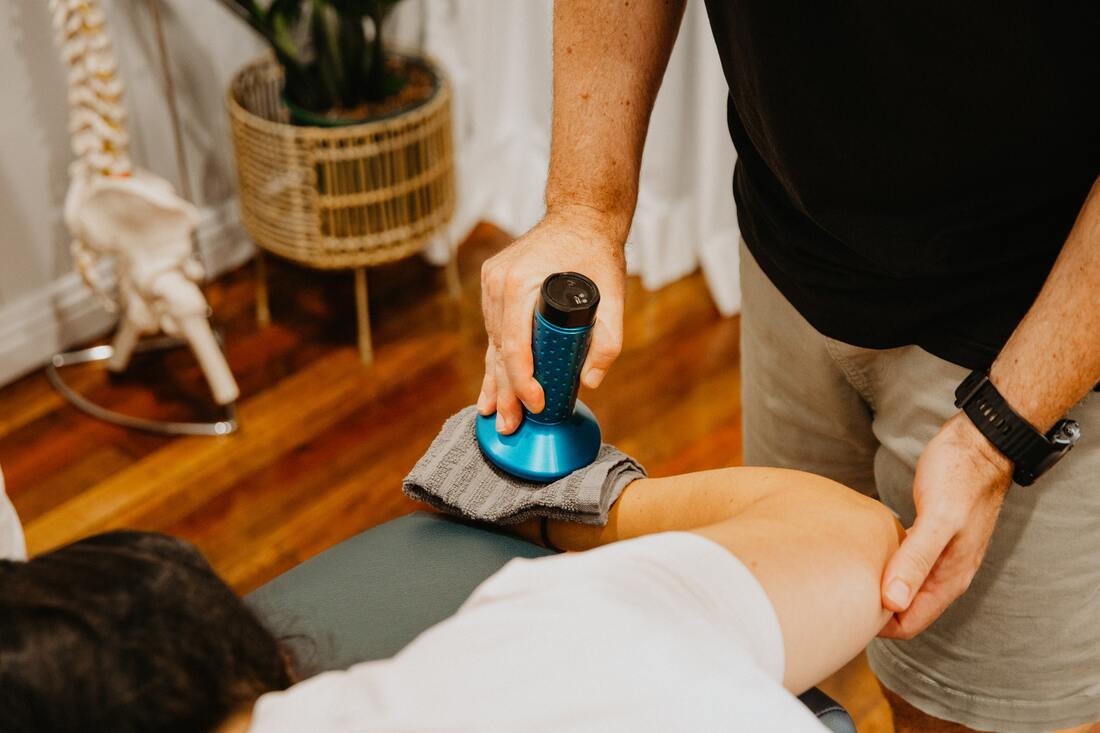
Wrist pain physiotherapy Brisbane Southside.
Wrist pain can cause a large amount of discomfort and can severely impact quality of life, ability to perform activities of daily living and can lead to time off work duties. Commonly, causes of wrist pain include wrist sprains, carpal tunnel syndrome and De Quervain’s tenosynovitis.
Wrist sprains are common acute complaints of wrist pain, occurring from some type of trauma- such as a fall- and causes an over stretching of the ligaments. Wrist sprains present with swelling, bruising, and pain with movement. Due to the ligamentous nature of a wrist sprain, more severe sprains can lead to instability of the wrist and as such, physiotherapy can help to improve range, increase stability and re-strengthen muscles to further aid in stabilising the joint.
Carpal tunnel syndrome
Carpal tunnel syndrome (CTS) is a chronic condition that affects the ‘carpal tunnel’ structure in the wrist. The carpal tunnel is a narrow passageway between the carpal bones of the wrist and a connective tissue sheath known as the flexor retinaculum. Inside the carpal tunnel, the tendons of the wrist flexor muscles and the median nerve pass through here. The median nerve is a major motor and sensory nerve of the upper limb that innervates the wrist flexor and pronator muscles, and the thumb, index and middle finger and the inside half of the fourth/ ring finger. CTS occurs when the median nerve becomes compressed and irritated where it passes through the carpal tunnel, often due to prolonged wrist positions or repetitive work- such as with power tools- however may also often occur with conditions such as diabetes, high blood pressure, pregnancy and thyroid dysfunction. Carpal tunnel syndrome presents with wrist pain, weakness in the thumb and hand muscles, night pain, numbness, tingling or pins and needles in the first three fingers of the hand. CTS neural symptoms may present similarly to other conditions such as spinal nerve root irritation or peripheral neuropathy and as such as thorough physiotherapy session is required to rule out these pathologies. Carpal tunnel syndrome can be a chronic and can progress if left untreated and so sessions with a physiotherapist can help to minimise symptoms and return you to function.
De Quervain’s Syndrome
De Quervain’s Syndrome is an extremely painful condition of the back of the hand/ wrist area that causes inflammation of the tendon sheath around the thumb muscle tendons: extensor pollicis brevis and abductor pollicis longus. Tenosynovitis is typically a chronic overuse injury, caused by repetitive wrist movements of gripping, clasping, or wringing of objects. A common population this occurs in is mother of newborn babies who are constantly picking up their baby and carpenters. Physiotherapy can help to re-educate on appropriate loading, provide advise and education around ergonomics and reducing inflammation and swelling and helpful exercises to reduce loading of the affected tendons.
Wrist pain should be treated with appropriate physiotherapy for unloading irritated structures and strengthening muscles around the joint to improve function and improve quality of life. If you experience wrist pain, book in a session with our physiotherapists today! If you're looking for a Tarragindi Physiotherapist for wrist pain treatment give us a call on 07 3706 3406 or email [email protected].
Wrist sprains are common acute complaints of wrist pain, occurring from some type of trauma- such as a fall- and causes an over stretching of the ligaments. Wrist sprains present with swelling, bruising, and pain with movement. Due to the ligamentous nature of a wrist sprain, more severe sprains can lead to instability of the wrist and as such, physiotherapy can help to improve range, increase stability and re-strengthen muscles to further aid in stabilising the joint.
Carpal tunnel syndrome
Carpal tunnel syndrome (CTS) is a chronic condition that affects the ‘carpal tunnel’ structure in the wrist. The carpal tunnel is a narrow passageway between the carpal bones of the wrist and a connective tissue sheath known as the flexor retinaculum. Inside the carpal tunnel, the tendons of the wrist flexor muscles and the median nerve pass through here. The median nerve is a major motor and sensory nerve of the upper limb that innervates the wrist flexor and pronator muscles, and the thumb, index and middle finger and the inside half of the fourth/ ring finger. CTS occurs when the median nerve becomes compressed and irritated where it passes through the carpal tunnel, often due to prolonged wrist positions or repetitive work- such as with power tools- however may also often occur with conditions such as diabetes, high blood pressure, pregnancy and thyroid dysfunction. Carpal tunnel syndrome presents with wrist pain, weakness in the thumb and hand muscles, night pain, numbness, tingling or pins and needles in the first three fingers of the hand. CTS neural symptoms may present similarly to other conditions such as spinal nerve root irritation or peripheral neuropathy and as such as thorough physiotherapy session is required to rule out these pathologies. Carpal tunnel syndrome can be a chronic and can progress if left untreated and so sessions with a physiotherapist can help to minimise symptoms and return you to function.
De Quervain’s Syndrome
De Quervain’s Syndrome is an extremely painful condition of the back of the hand/ wrist area that causes inflammation of the tendon sheath around the thumb muscle tendons: extensor pollicis brevis and abductor pollicis longus. Tenosynovitis is typically a chronic overuse injury, caused by repetitive wrist movements of gripping, clasping, or wringing of objects. A common population this occurs in is mother of newborn babies who are constantly picking up their baby and carpenters. Physiotherapy can help to re-educate on appropriate loading, provide advise and education around ergonomics and reducing inflammation and swelling and helpful exercises to reduce loading of the affected tendons.
Wrist pain should be treated with appropriate physiotherapy for unloading irritated structures and strengthening muscles around the joint to improve function and improve quality of life. If you experience wrist pain, book in a session with our physiotherapists today! If you're looking for a Tarragindi Physiotherapist for wrist pain treatment give us a call on 07 3706 3406 or email [email protected].