Frequently asked questions about our pregnancy Pilates.
When should I be joining Prenatal Pilates?
Most of our students join in somewhere in the second trimester (from 12 weeks +), and continue all the way up until birth (40 weeks +). As you move through each trimester the exercises will change, and the focus will shift from general fitness to birth preparation.
What makes Prenatal Pilates different from general classes?
As your belly grows, certain positions like laying flat on your back become contraindicated, as well as certain abdominal exercises. Prenatal Pilates ensures that all the exercises you do are safe, but more importantly that they help to support your changing body. Towards the end, there is a big focus on birth preparation, but also postpartum recovery. The stronger you are towards the end of your pregnancy, the easier your rehab after birth will hopefully be!
I've been told there are exercises I need to avoid/modify - is that ok?
Absolutely! We are happy to liaise with any of your health team outside of Articulate including other physiotherapists and your obstetrician or midwife. Just ask them to write us a letter or give us a call, and we're more than happy to stay in communication with them about what you're doing and how you're progressing.
What equipment do you use?
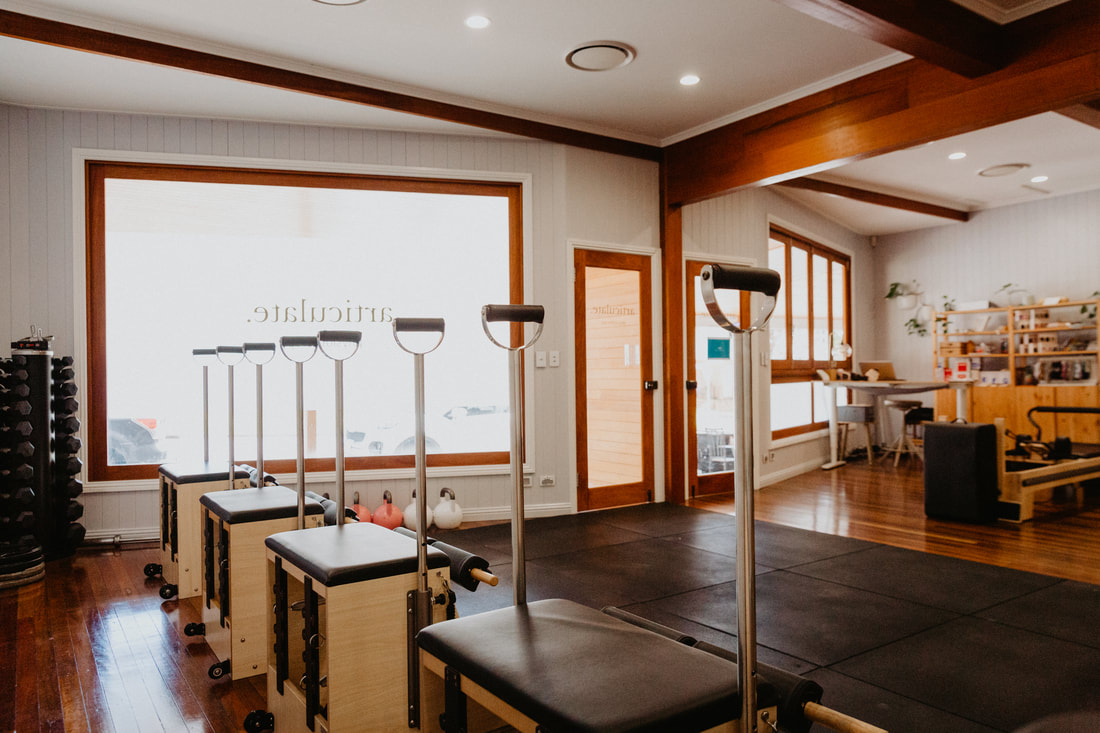
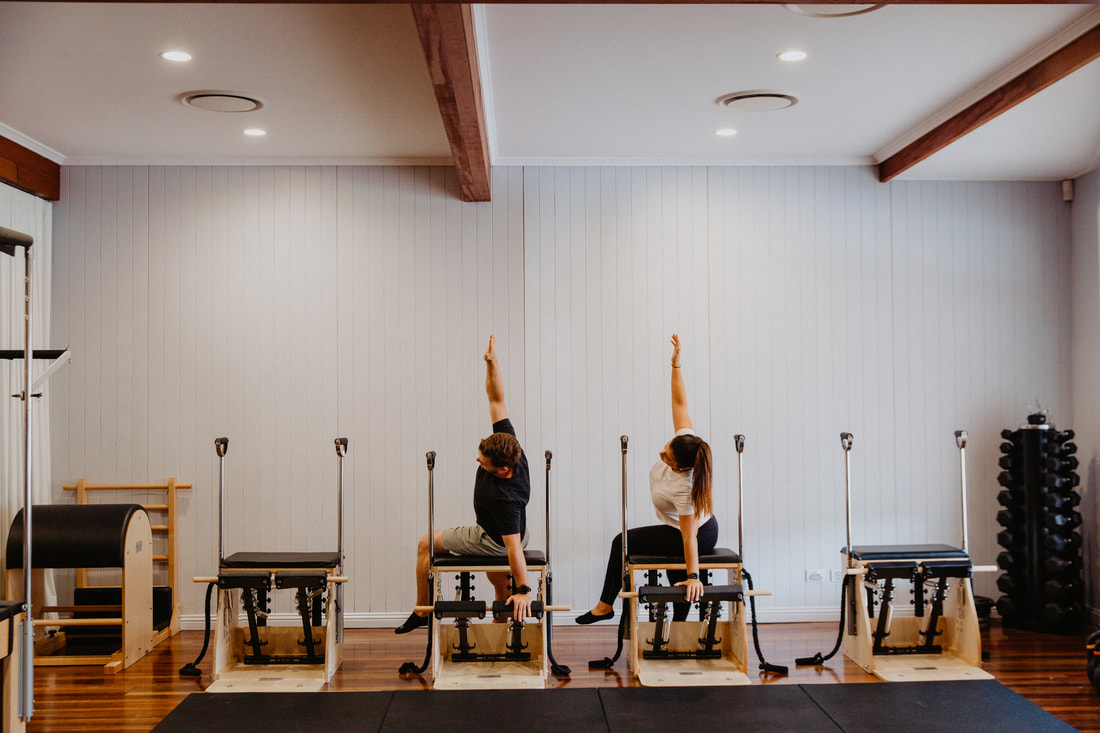
Our beautiful Coorparoo courses utilise reformers and smaller equipment, and our Tarragindi courses use reformers, wunda chairs and smaller equipment. There is very little difference between the courses at each clinic - it really is about what time, day and location suits you best! The equip
I know I'm going to miss more than one call - can I still sign up?
Of course! As we limit numbers in our sold out classes it can be difficult to offer multiple makeups in Prenatal specific classes. We can however always guarantee classes can be made up in our general classes instead and continue to modify your exercises. We promise we'll help you to still get the full value out of your course!
I've never done Pilates before. Is that ok?
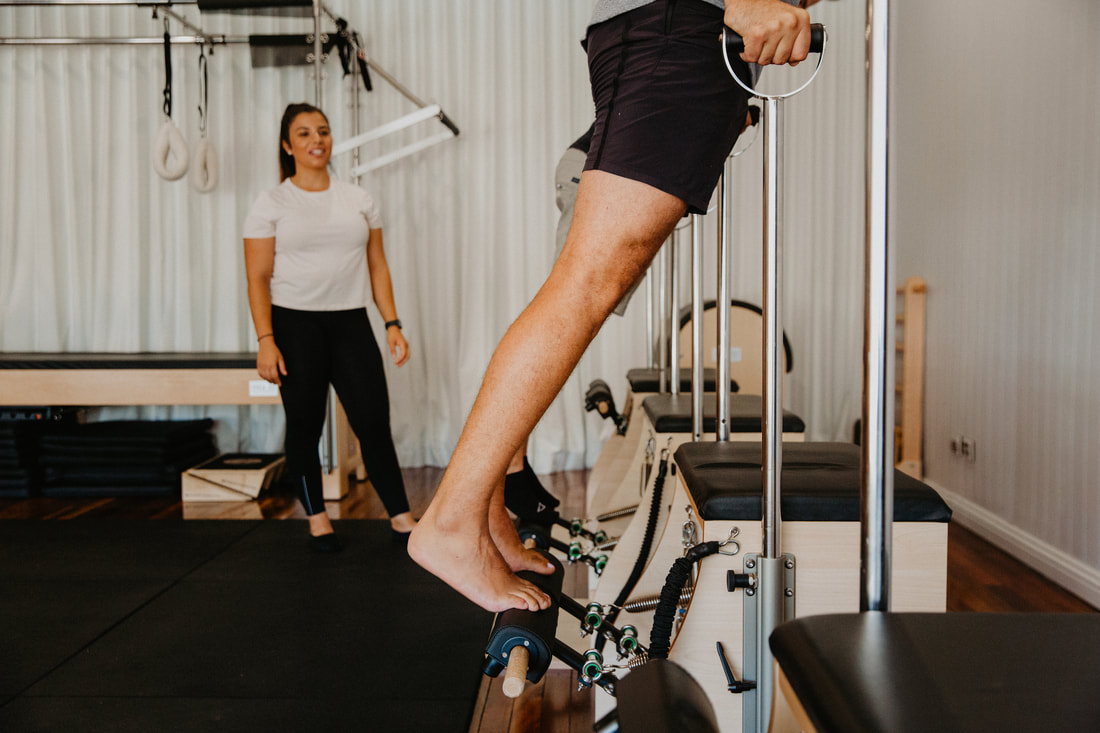
Absolutely! Around 80% of our Prenatal course attendees have never done Pilates before (or maybe just a class or two). Although the equipment can look intimidating, the springs actually make exercises both more challenging AND easier. No matter where your fitness lies, Pilates can be completely adjusted to you! Our small class sizes mean lots of individual attention so you truly are in safe hands.
Most of our students join in somewhere in the second trimester (from 12 weeks +), and continue all the way up until birth (40 weeks +). As you move through each trimester the exercises will change, and the focus will shift from general fitness to birth preparation.
What makes Prenatal Pilates different from general classes?
As your belly grows, certain positions like laying flat on your back become contraindicated, as well as certain abdominal exercises. Prenatal Pilates ensures that all the exercises you do are safe, but more importantly that they help to support your changing body. Towards the end, there is a big focus on birth preparation, but also postpartum recovery. The stronger you are towards the end of your pregnancy, the easier your rehab after birth will hopefully be!
I've been told there are exercises I need to avoid/modify - is that ok?
Absolutely! We are happy to liaise with any of your health team outside of Articulate including other physiotherapists and your obstetrician or midwife. Just ask them to write us a letter or give us a call, and we're more than happy to stay in communication with them about what you're doing and how you're progressing.
What equipment do you use?
Our beautiful Coorparoo courses utilise reformers and smaller equipment, and our Tarragindi courses use reformers, wunda chairs and smaller equipment. There is very little difference between the courses at each clinic - it really is about what time, day and location suits you best! The equip
I know I'm going to miss more than one call - can I still sign up?
Of course! As we limit numbers in our sold out classes it can be difficult to offer multiple makeups in Prenatal specific classes. We can however always guarantee classes can be made up in our general classes instead and continue to modify your exercises. We promise we'll help you to still get the full value out of your course!
I've never done Pilates before. Is that ok?
Absolutely! Around 80% of our Prenatal course attendees have never done Pilates before (or maybe just a class or two). Although the equipment can look intimidating, the springs actually make exercises both more challenging AND easier. No matter where your fitness lies, Pilates can be completely adjusted to you! Our small class sizes mean lots of individual attention so you truly are in safe hands.

|
Run in Conjunction with our Friends at Nascent WellnessNascent Wellness is a Brisbane based collaborative offering pre and postnatal fitness, courses, workshops and events on Brisbane's Southside. As well as Prenatal (and Postnatal) Pilates here at Articulate, they also offer pregnancy yoga. Once bub arrives, they then offer mums and bubs yoga as well as their amazing 8 Week Mothers Group both nearby at Holland Park.
With a focus on connecting families and helping them build their village, Nascent partners with Brisbane's best health professionals in order to provide evidence-based support to parents. To find out more about what they offer visit www.nascentwellness.com.au |
|
|
|
If you have any questions that we haven't answered please don't hesitate to get in touch with our friendly reception staff by calling 07 3706 3407 or emailing [email protected]. We would love to help you have your healthiest pregnancy possible.