Neurological conditions.
Neurological physiotherapy — specialist care for complex conditions
Neurological physiotherapy addresses conditions affecting the brain, spinal cord, peripheral nerves and the vestibular system — conditions that disrupt movement, balance, coordination, sensation and function in ways that require specific rehabilitation expertise beyond standard musculoskeletal physiotherapy.
The goal of neurological rehabilitation is neuroplasticity — harnessing the brain and nervous system's capacity to reorganise and adapt in response to targeted, repetitive practice. Modern neurological physiotherapy is grounded in the neuroscience of motor learning and neuroplasticity, delivering rehabilitation that is intensive, task-specific and progressively challenging to drive the neural adaptation that produces lasting functional improvement.
At Articulate Physiotherapy in Tarragindi, our team manages neurological conditions across a broad spectrum — from acute presentations requiring early intensive rehabilitation to chronic conditions requiring long-term management and exercise support. Our physiotherapists have specialist experience in both acquired neurological conditions and the complex connective tissue and autonomic conditions that frequently present with neurological features.
Conditions we treat
Acquired neurological conditions:
Vestibular and balance conditions:
Connective tissue and autonomic neurological conditions:
How can physiotherapy help?
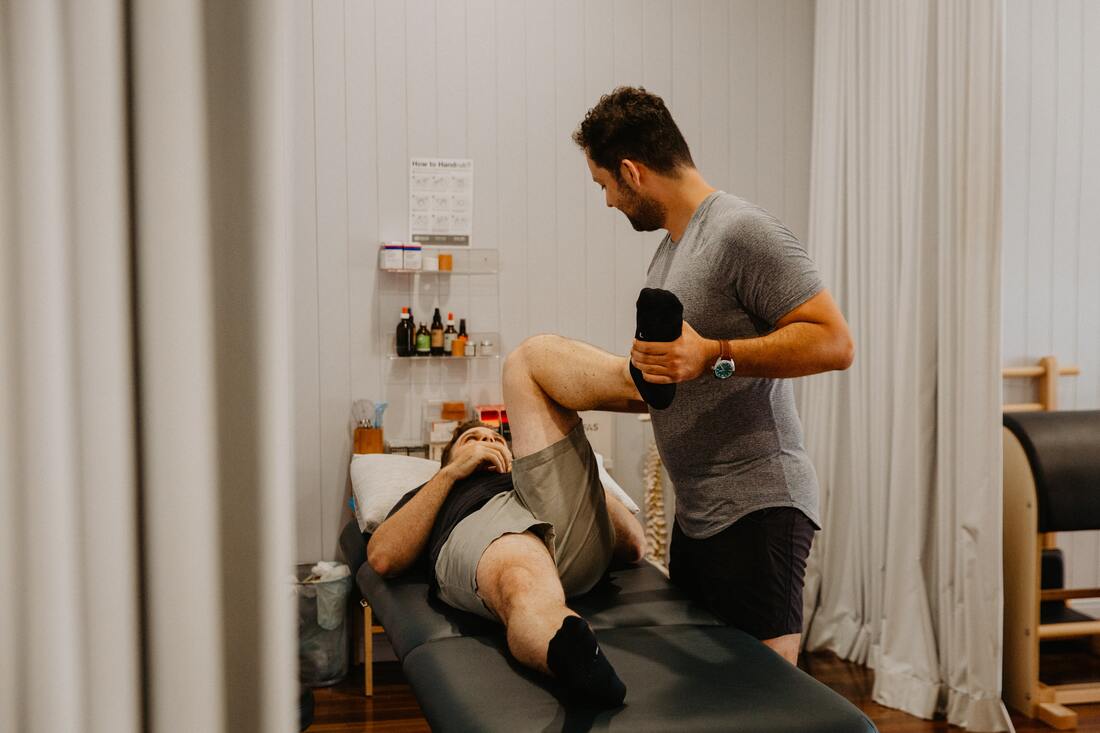
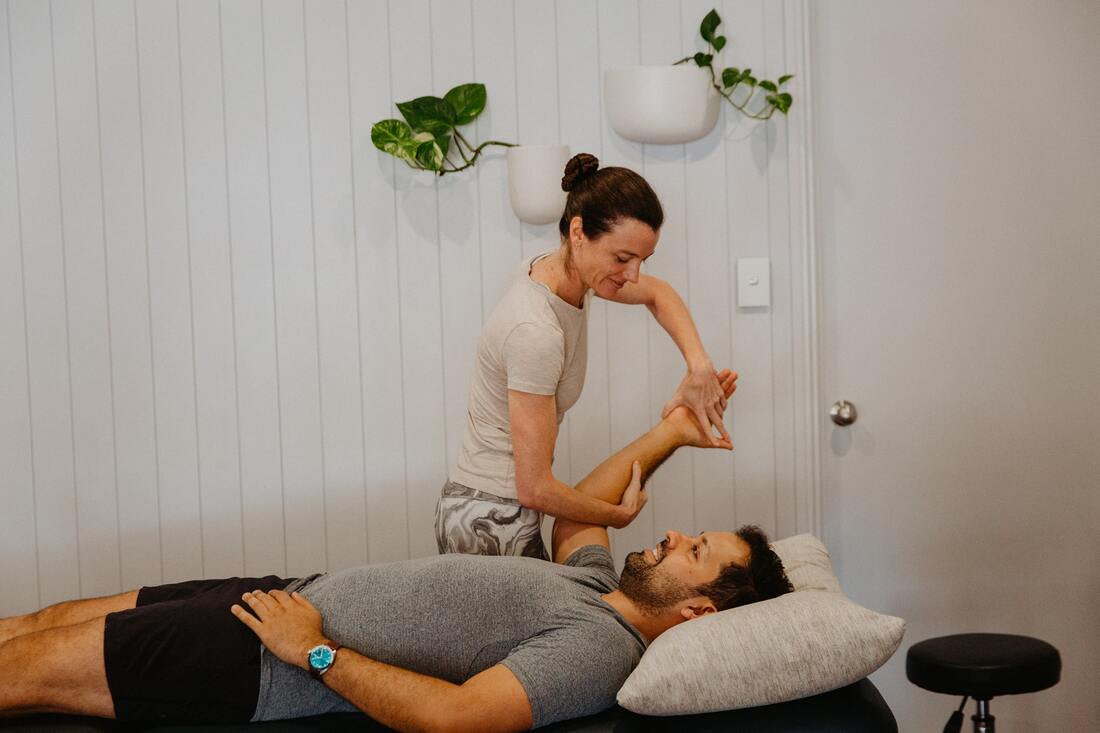
Physiotherapy can be an effective treatment for many neurological conditions, helping to improve movement and function and reduce pain. Our physiotherapists can develop a customised treatment plan tailored to each individual's needs and goals. With the help of physiotherapy, many people with neurological conditions can improve their movement and function, reduce pain, and improve their quality of life.
The specific interventions vary by condition and by stage of disease, but the common threads across neurological physiotherapy are task-specific practice at sufficient intensity to drive neuroplasticity, progressive challenge to promote adaptation, and an understanding of the condition-specific factors — spasticity, fatigue, autonomic dysfunction, cognitive impairment — that shape what rehabilitation looks like in practice.
Clinical Pilates is adapted for neurological presentations — providing a structured, supervised exercise environment with precise load adjustment appropriate to each patient's capacity. Our Balance and Bones exercise classes are appropriate for patients in stable phases of neurological conditions where group exercise is feasible.
NDIS and Chronic Disease Management Plans
Physiotherapy for neurological conditions is claimable under NDIS therapeutic supports. Exercise physiology for eligible chronic neurological conditions is accessible through a Chronic Disease Management Plan with GP referral. See our NDIS physiotherapy page for more detail.
Our physiotherapists Yulia Khasyanova and Bethany Kippen and Exercise Physiologist Ash O'Regan all have specific experience in neurological conditions and are members of the Australian Physiotherapy Association. Yulia's specialist experience in connective tissue and autonomic conditions is particularly relevant for the POTS, EDS and cranio-cervical presentations that sit at the intersection of neurological and musculoskeletal physiotherapy.
To book or find out more, call us on 07 3706 3407 or book online below. We see patients from across Brisbane's southside including Tarragindi, Coorparoo, Holland Park, Greenslopes and Mt Gravatt.
Neurological physiotherapy addresses conditions affecting the brain, spinal cord, peripheral nerves and the vestibular system — conditions that disrupt movement, balance, coordination, sensation and function in ways that require specific rehabilitation expertise beyond standard musculoskeletal physiotherapy.
The goal of neurological rehabilitation is neuroplasticity — harnessing the brain and nervous system's capacity to reorganise and adapt in response to targeted, repetitive practice. Modern neurological physiotherapy is grounded in the neuroscience of motor learning and neuroplasticity, delivering rehabilitation that is intensive, task-specific and progressively challenging to drive the neural adaptation that produces lasting functional improvement.
At Articulate Physiotherapy in Tarragindi, our team manages neurological conditions across a broad spectrum — from acute presentations requiring early intensive rehabilitation to chronic conditions requiring long-term management and exercise support. Our physiotherapists have specialist experience in both acquired neurological conditions and the complex connective tissue and autonomic conditions that frequently present with neurological features.
Conditions we treat
Acquired neurological conditions:
- Stroke — the leading cause of adult disability in Australia. Early, intensive physiotherapy maximises neuroplastic recovery. Our rehabilitation addresses motor retraining, gait rehabilitation, upper limb recovery, spasticity management, balance retraining and falls prevention.
- Parkinson's disease — progressive neurodegeneration affecting movement, balance and gait. Our approach is grounded in the LSVT BIG principles, high-intensity exercise and cueing strategies with strong evidence for symptom management and neuroprotection.
- Multiple sclerosis — chronic autoimmune demyelination producing fatigue, gait impairment, spasticity and balance dysfunction. Exercise physiology and physiotherapy work in combination to address both the neurological and deconditioning components of MS.
- Guillain-Barré syndrome — acute peripheral nerve demyelination producing ascending weakness and areflexia. Physiotherapy manages the rehabilitation from acute weakness through to full functional recovery.
- Alzheimer's disease — progressive neurodegeneration producing cognitive decline, falls risk and functional limitation. Exercise physiology and physiotherapy address falls prevention, gait rehabilitation and the neuroprotective benefits of structured exercise.
- Concussion — mild traumatic brain injury producing a spectrum of physical, cognitive and emotional symptoms. Our management integrates vestibular rehabilitation, cervical physiotherapy and structured return-to-sport protocols.
Vestibular and balance conditions:
- Vestibular disorders — including BPPV, vestibular neuritis, Menière's disease and persistent postural-perceptual dizziness (PPPD). Vestibular rehabilitation therapy including canalith repositioning manoeuvres (Epley, Semont), gaze stabilisation exercises and balance retraining.
- Balance and coordination disorders — from any neurological, vestibular or musculoskeletal cause. Progressive balance training, falls prevention and gait rehabilitation.
- Headaches and migraines — particularly the cervicogenic and TMJ-related presentations where physiotherapy addresses the structural contributors to headache.
Connective tissue and autonomic neurological conditions:
- POTS and dysautonomia — postural orthostatic tachycardia syndrome and related autonomic disorders. A carefully structured exercise reconditioning program is the most evidence-based physiotherapy intervention for POTS.
- Cranio-cervical instability — upper cervical instability producing neurological symptoms from brainstem and upper cervical cord compression. A conservative, carefully graded physiotherapy approach avoiding manipulation.
- Peripheral neuropathies — from diabetic, inflammatory, hereditary and other causes. Balance retraining, strength building and sensory retraining address the functional consequences of peripheral nerve damage.
- Charcot-Marie-Tooth disease — hereditary motor and sensory neuropathy. Long-term physiotherapy management focused on strength maintenance, orthotic management and falls prevention.
How can physiotherapy help?
Physiotherapy can be an effective treatment for many neurological conditions, helping to improve movement and function and reduce pain. Our physiotherapists can develop a customised treatment plan tailored to each individual's needs and goals. With the help of physiotherapy, many people with neurological conditions can improve their movement and function, reduce pain, and improve their quality of life.
The specific interventions vary by condition and by stage of disease, but the common threads across neurological physiotherapy are task-specific practice at sufficient intensity to drive neuroplasticity, progressive challenge to promote adaptation, and an understanding of the condition-specific factors — spasticity, fatigue, autonomic dysfunction, cognitive impairment — that shape what rehabilitation looks like in practice.
Clinical Pilates is adapted for neurological presentations — providing a structured, supervised exercise environment with precise load adjustment appropriate to each patient's capacity. Our Balance and Bones exercise classes are appropriate for patients in stable phases of neurological conditions where group exercise is feasible.
NDIS and Chronic Disease Management Plans
Physiotherapy for neurological conditions is claimable under NDIS therapeutic supports. Exercise physiology for eligible chronic neurological conditions is accessible through a Chronic Disease Management Plan with GP referral. See our NDIS physiotherapy page for more detail.
Our physiotherapists Yulia Khasyanova and Bethany Kippen and Exercise Physiologist Ash O'Regan all have specific experience in neurological conditions and are members of the Australian Physiotherapy Association. Yulia's specialist experience in connective tissue and autonomic conditions is particularly relevant for the POTS, EDS and cranio-cervical presentations that sit at the intersection of neurological and musculoskeletal physiotherapy.
To book or find out more, call us on 07 3706 3407 or book online below. We see patients from across Brisbane's southside including Tarragindi, Coorparoo, Holland Park, Greenslopes and Mt Gravatt.
Yulia Khasyanova
|
Bethany Kippen
|
Ash O'Regan
|