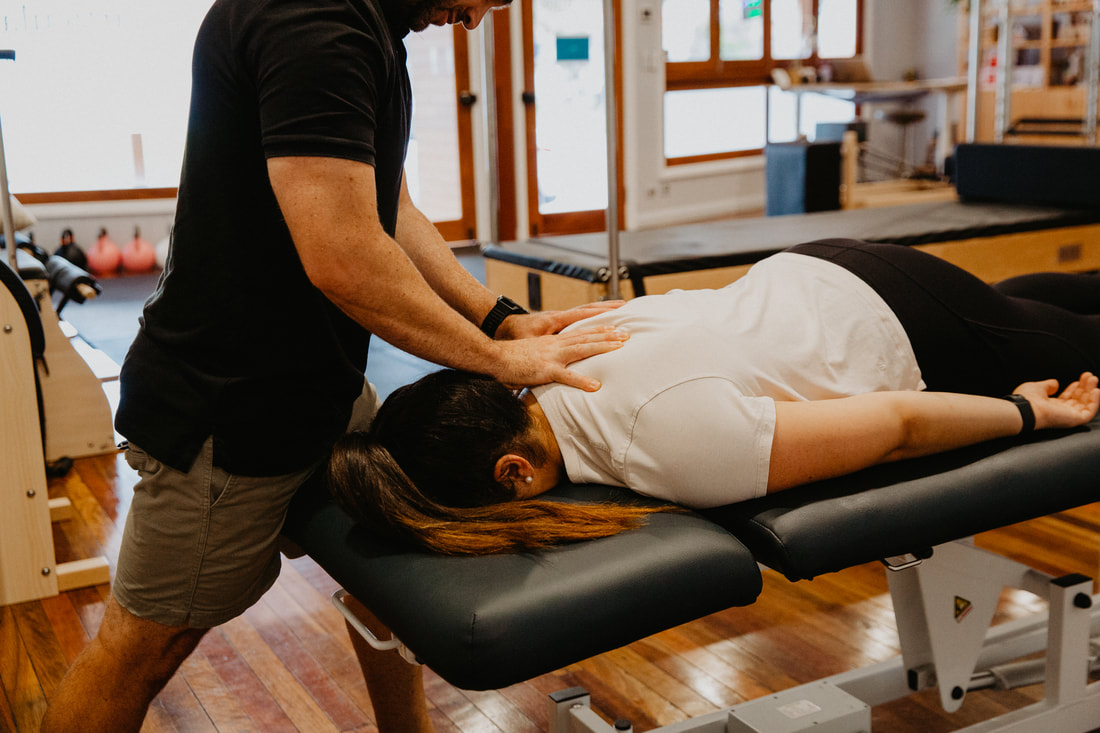
Sports injury physiotherapy for tennis players.
Tennis and the Role of a Specialised Physiotherapist
Tennis is a sport that combines high-intensity physical activity with skill, strategy, and mental endurance. It requires players to perform a variety of movements, including sprinting, stopping, pivoting, and striking the ball, often during lengthy matches. The sport is unique in its combination of endurance, speed, agility, strength, and precision.
Key Aspects of Tennis:
The Importance of a Physiotherapist Specialised in Tennis:
What Are Common Injuries Among Tennis Players?
Tennis players often experience injuries due to the sport's repetitive and high-impact nature:
How Can Tennis Players Prevent These Injuries?
Injury prevention is crucial for tennis players:
What Physiotherapy Treatments Are Effective for Tennis Injuries?
Physiotherapy is vital in treating and managing tennis-related injuries:
When Should a Tennis Player Consult a Physiotherapist?
Professional guidance is recommended in various scenarios:
How Can Physiotherapy Help in Long-Term Injury Prevention for Tennis Players?
Long-term injury prevention is essential in tennis:
What Recovery Strategies Should Tennis Players Employ?
Effective recovery strategies are important for tennis players:
If you have been injured during tennis, there are many things that our Tarragindi physiotherapists can do to help get you back to being sport ready and active again so come in and speak to our friendly physiotherapists today! Feel free to give our Tarragindi Physiotherapy clinic a call on 07 3706 3407 or email [email protected]
Tennis is a sport that combines high-intensity physical activity with skill, strategy, and mental endurance. It requires players to perform a variety of movements, including sprinting, stopping, pivoting, and striking the ball, often during lengthy matches. The sport is unique in its combination of endurance, speed, agility, strength, and precision.
Key Aspects of Tennis:
- Repetitive Motions: Strokes like forehands, backhands, serves, and volleys can lead to overuse injuries.
- High-Impact Activity: Quick starts, stops, and jumps put stress on the lower body, particularly the knees and ankles.
- Upper Body Stress: The serving motion and repetitive strokes can strain the shoulder, elbow, and wrist.
The Importance of a Physiotherapist Specialised in Tennis:
- Injury Prevention and Management: A physiotherapist with expertise in tennis can offer targeted strategies for injury prevention and rehabilitation, crucial in a sport that involves high-impact and repetitive movements.
- Performance Optimization: Understanding the physical demands of tennis enables physiotherapists to assist players in enhancing their physical capabilities, stroke efficiency, and injury resilience.
- Technique and Equipment Advice: Specialized physiotherapists can provide advice on stroke mechanics and equipment choice (like racket grip size) to prevent injuries.
What Are Common Injuries Among Tennis Players?
Tennis players often experience injuries due to the sport's repetitive and high-impact nature:
- Tennis Elbow (Lateral Epicondylitis): Caused by repetitive stress to the forearm muscles used in racket swinging.
- Shoulder Injuries: Including rotator cuff tendinitis and impingement syndrome, due to the overhead serving motion.
- Ankle Sprains: From quick lateral movements and changes in direction.
- Knee Injuries: Such as patellar tendinitis, resulting from constant jumping and running.
- Wrist Injuries: Due to the impact of the ball on the racket and the wrist motion in strokes.
How Can Tennis Players Prevent These Injuries?
Injury prevention is crucial for tennis players:
- Proper Warm-Up and Cool-Down: Essential for preparing muscles and joints and reducing post-exercise soreness.
- Strength and Conditioning Training: Focusing on building a balanced body strength, particularly in the core, legs, and shoulders.
- Technique Training: Ensuring proper stroke techniques to minimize stress on joints and muscles.
- Adequate Rest and Recovery: Balancing training with enough rest to allow the body to heal.
- Using Appropriate Equipment: Including the right type of racket and footwear for support and injury prevention.
What Physiotherapy Treatments Are Effective for Tennis Injuries?
Physiotherapy is vital in treating and managing tennis-related injuries:
- Manual Therapy: Such as massage, stretching, and joint mobilizations to relieve pain and improve mobility.
- Exercise Rehabilitation: Tailored exercises to strengthen and rehabilitate the injured areas.
- Biomechanical Analysis: Assessing and correcting stroke mechanics and footwork.
- Pain Management Techniques: Utilizing ice therapy, heat therapy, or ultrasound as needed.
- Preventative Education: Providing guidance on safe play and how to avoid recurring injuries.
When Should a Tennis Player Consult a Physiotherapist?
Professional guidance is recommended in various scenarios:
- Post-Injury: For accurate diagnosis and a comprehensive treatment plan.
- Persistent Pain or Discomfort: Especially if it affects playing performance or quality of life.
- Technique Improvement: To enhance skills and reduce injury risk.
- Preventive Measures: Learning effective strategies to minimize future injury risks.
How Can Physiotherapy Help in Long-Term Injury Prevention for Tennis Players?
Long-term injury prevention is essential in tennis:
- Personalized Exercise Programs: Focused on the specific needs of tennis players, considering their strength and flexibility levels.
- Regular Assessments: To monitor progress and adjust training accordingly.
- Technique Refinement: Ongoing work to improve stroke and footwork techniques.
- Nutritional and Lifestyle Advice: To support overall health and enhance performance.
What Recovery Strategies Should Tennis Players Employ?
Effective recovery strategies are important for tennis players:
- Active Recovery: Light exercises or practice to promote circulation and muscle recovery.
- Nutrition and Hydration: Essential for muscle repair and energy replenishment.
- Adequate Sleep: Critical for physical and mental recovery.
- Mental Health Support: To manage the stress and pressures of competitive tennis.
If you have been injured during tennis, there are many things that our Tarragindi physiotherapists can do to help get you back to being sport ready and active again so come in and speak to our friendly physiotherapists today! Feel free to give our Tarragindi Physiotherapy clinic a call on 07 3706 3407 or email [email protected]