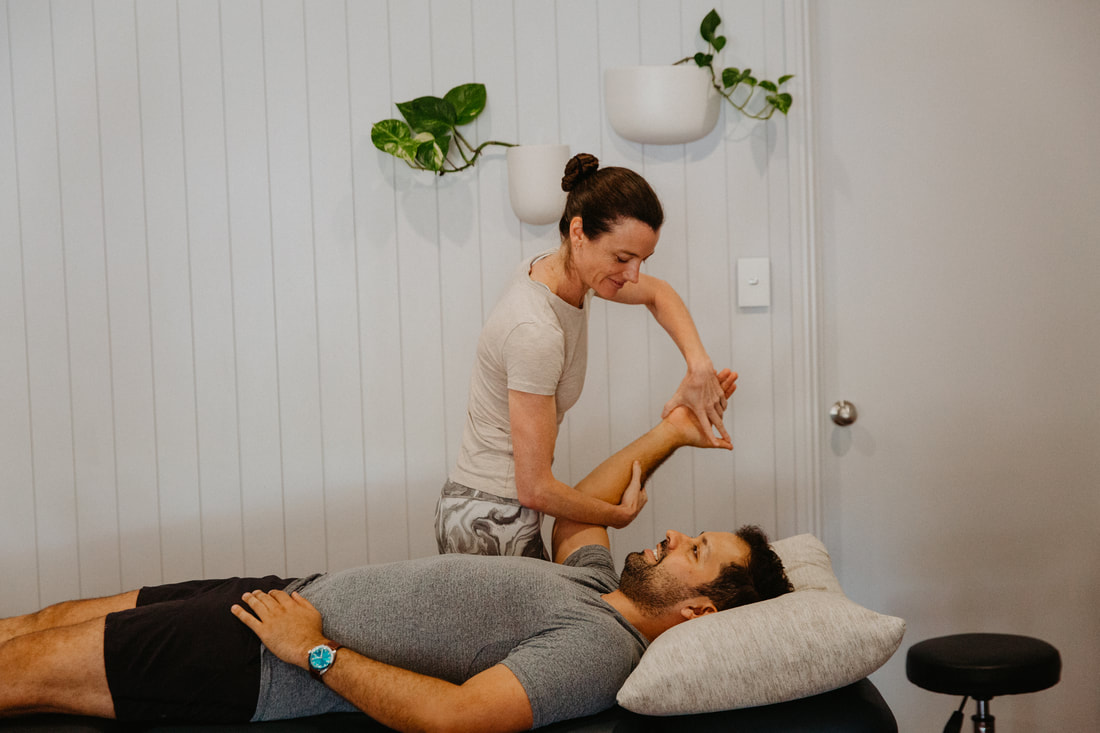
Rowing Physiotherapy.
The physical demands of rowing
Rowing is one of the most physiologically demanding endurance sports — combining the sustained aerobic output of elite endurance athletes with the repeated high-force application of the drive phase through the blade and the compressive spinal loading of the catch position. A competitive 2000-metre race requires approximately 200 to 250 maximal strokes, each one loading the lumbar spine in a sustained flexion position before transitioning to explosive extension through the drive phase. Across a full training season — where elite rowers may complete 150 to 200 sessions — the cumulative spinal loading of rowing is extraordinary, and the back injury rate reflects this.
At Articulate Physiotherapy in Tarragindi, we work with rowers across all disciplines — sweep and sculling, indoor ergometer, coastal and ocean rowing — and across all levels from club to representative competition, managing the chronic overuse injuries that dominate the rowing injury profile alongside the acute presentations that occur from high training loads.
Common rowing injuries
Lower back pain is the most prevalent and most clinically significant injury in rowing — affecting approximately 30 to 50% of competitive rowers at some point in their career and the leading cause of missed training and competition. The catch position — maximum forward trunk lean, lumbar flexion, arms extended — places the lumbar spine in its most vulnerable position under the compressive load of the body weight and the beginning of the drive force. Lumbar disc injuries from the sustained flexion loading of the catch are the most serious and most common significant rowing back injury. Facet joint syndrome from the repeated extension of the drive and finish phase and paraspinal muscle overuse from the sustained isometric spinal loading of the rowing stroke are the other common presentations. The relationship between catch angle, hip flexibility and lumbar loading is the most important biomechanical concept in rowing back injury — rowers with restricted hip flexion compensate with excessive lumbar flexion at the catch, dramatically increasing disc loading with every stroke.
Rib stress fractures are the most distinctive and most underappreciated rowing injury — occurring almost exclusively in rowers and produced by the repetitive respiratory and muscular loading of the rowing stroke. The serratus anterior and external oblique muscles — which are extremely active during the rowing drive — attach to the ribs and produce a repetitive traction-compression force on the posterolateral ribs with each stroke. Over high training volumes, this produces a fatigue fracture of the rib — typically ribs 5 to 9 at the posterolateral angle. Rib stress fractures present as a gradual onset of lateral chest wall pain that is sharp on coughing, deep breathing and the catch position, and worsens progressively with continued rowing. They are frequently missed or attributed to intercostal muscle strain — the diagnosis requires a high index of suspicion and bone scan or MRI for confirmation, as plain X-ray is insensitive in the early stages.
Knee injuries — patellofemoral pain syndrome from the deep knee flexion of the catch position and the repeated knee extension of the drive phase, and iliotibial band syndrome from the repeated knee flexion-extension of high stroke rate training — are the most common lower limb presentations in rowing. The catch position requires deep knee flexion under significant compressive load — a position that places high patellofemoral contact stress and that, across hundreds of strokes per session, produces the characteristic anterior knee pain of rowing-related patellofemoral syndrome.
Wrist and forearm injuries — De Quervain's tenosynovitis and extensor carpi ulnaris tendinopathy from the repeated wrist deviation and rotation demands of the catch and extraction — are common in rowers who feather the blade. The feathering action — rotating the oar handle to rotate the blade parallel to the water during the recovery — is performed thousands of times per session and produces a characteristic wrist overuse pattern in the extensor and rotator tendons.
Forearm compartment syndrome — exercise-induced compartment syndrome of the forearm from the sustained gripping and pulling demands of sweep rowing — produces the characteristic burning forearm pain during rowing that forces the rower to stop, and resolves rapidly with rest. It is more common in sweep rowers (one oar) than scullers (two oars) and is managed through gripping technique modification, equipment adjustment and in recalcitrant cases surgical fasciotomy.
Shoulder injuries — rotator cuff tendinopathy from the sustained pulling demands of the drive phase and shoulder impingement from the forward reach of the catch — are common in high-volume rowers, particularly those with pre-existing shoulder restrictions that limit clean blade entry mechanics.
How can physiotherapy help?
Physiotherapy for rowing injuries requires an understanding of the specific biomechanical demands of the rowing stroke — the catch position's lumbar loading, the rib stress fracture mechanism, the wrist feathering demands — and the ability to provide load management advice within the context of a sport where training continuity is closely tied to performance outcomes.
Lower back rehabilitation for rowers addresses the hip flexibility and lumbar stabiliser deficits that are the primary contributors to rowing-related back pain. Hip flexor and hamstring flexibility work that improves the catch angle achievable with neutral lumbar spine is one of the most effective interventions — reducing the lumbar flexion demand at the catch directly reduces disc loading with every stroke. Deep lumbar stabiliser retraining using real time ultrasound builds the spinal support for high-volume rowing training. Catch angle modification — reducing the degree of lumbar flexion at the catch through improved hip range and technique adjustment — is both a rehabilitation and a performance intervention.
Rib stress fracture management requires complete cessation of rowing for six to eight weeks — one of the most difficult prescriptions to deliver to a dedicated competitive rower. Cross-training on non-provocative modalities maintains fitness during recovery. Progressive return to rowing following confirmed healing guides the reintroduction of training load. Prevention through load management — monitoring training volume increases, particularly in the pre-season period — is the most important public health message for rowing clubs.
Knee rehabilitation addresses the patellofemoral loading of the catch position — quadriceps and gluteal strengthening, footplate adjustment to reduce peak knee flexion angle, and progressive return to full catch depth. The catch angle and footplate height are important equipment variables that influence knee loading alongside the physiotherapy.
Dry needling manages the paraspinal, quadriceps, forearm extensor and periscapular trigger points common in rowers. Clinical Pilates provides excellent trunk stability, hip flexibility and shoulder stabiliser work directly relevant to rowing performance. Real time ultrasound guides deep lumbar stabiliser retraining.
Our physiotherapists Emma Cameron and Eliane Machado both have experience in rowing-related injuries and are members of the Australian Physiotherapy Association. Eliane's doctoral research in lower limb biomechanics and her expertise in running and endurance sport injuries is directly applicable to the load management and biomechanical assessment central to rowing injury management.
To book or find out more, call us on 07 3706 3407 or book online below. We see patients from across Brisbane's southside including Tarragindi, Coorparoo, Holland Park, Greenslopes and Mt Gravatt.
Rowing is one of the most physiologically demanding endurance sports — combining the sustained aerobic output of elite endurance athletes with the repeated high-force application of the drive phase through the blade and the compressive spinal loading of the catch position. A competitive 2000-metre race requires approximately 200 to 250 maximal strokes, each one loading the lumbar spine in a sustained flexion position before transitioning to explosive extension through the drive phase. Across a full training season — where elite rowers may complete 150 to 200 sessions — the cumulative spinal loading of rowing is extraordinary, and the back injury rate reflects this.
At Articulate Physiotherapy in Tarragindi, we work with rowers across all disciplines — sweep and sculling, indoor ergometer, coastal and ocean rowing — and across all levels from club to representative competition, managing the chronic overuse injuries that dominate the rowing injury profile alongside the acute presentations that occur from high training loads.
Common rowing injuries
Lower back pain is the most prevalent and most clinically significant injury in rowing — affecting approximately 30 to 50% of competitive rowers at some point in their career and the leading cause of missed training and competition. The catch position — maximum forward trunk lean, lumbar flexion, arms extended — places the lumbar spine in its most vulnerable position under the compressive load of the body weight and the beginning of the drive force. Lumbar disc injuries from the sustained flexion loading of the catch are the most serious and most common significant rowing back injury. Facet joint syndrome from the repeated extension of the drive and finish phase and paraspinal muscle overuse from the sustained isometric spinal loading of the rowing stroke are the other common presentations. The relationship between catch angle, hip flexibility and lumbar loading is the most important biomechanical concept in rowing back injury — rowers with restricted hip flexion compensate with excessive lumbar flexion at the catch, dramatically increasing disc loading with every stroke.
Rib stress fractures are the most distinctive and most underappreciated rowing injury — occurring almost exclusively in rowers and produced by the repetitive respiratory and muscular loading of the rowing stroke. The serratus anterior and external oblique muscles — which are extremely active during the rowing drive — attach to the ribs and produce a repetitive traction-compression force on the posterolateral ribs with each stroke. Over high training volumes, this produces a fatigue fracture of the rib — typically ribs 5 to 9 at the posterolateral angle. Rib stress fractures present as a gradual onset of lateral chest wall pain that is sharp on coughing, deep breathing and the catch position, and worsens progressively with continued rowing. They are frequently missed or attributed to intercostal muscle strain — the diagnosis requires a high index of suspicion and bone scan or MRI for confirmation, as plain X-ray is insensitive in the early stages.
Knee injuries — patellofemoral pain syndrome from the deep knee flexion of the catch position and the repeated knee extension of the drive phase, and iliotibial band syndrome from the repeated knee flexion-extension of high stroke rate training — are the most common lower limb presentations in rowing. The catch position requires deep knee flexion under significant compressive load — a position that places high patellofemoral contact stress and that, across hundreds of strokes per session, produces the characteristic anterior knee pain of rowing-related patellofemoral syndrome.
Wrist and forearm injuries — De Quervain's tenosynovitis and extensor carpi ulnaris tendinopathy from the repeated wrist deviation and rotation demands of the catch and extraction — are common in rowers who feather the blade. The feathering action — rotating the oar handle to rotate the blade parallel to the water during the recovery — is performed thousands of times per session and produces a characteristic wrist overuse pattern in the extensor and rotator tendons.
Forearm compartment syndrome — exercise-induced compartment syndrome of the forearm from the sustained gripping and pulling demands of sweep rowing — produces the characteristic burning forearm pain during rowing that forces the rower to stop, and resolves rapidly with rest. It is more common in sweep rowers (one oar) than scullers (two oars) and is managed through gripping technique modification, equipment adjustment and in recalcitrant cases surgical fasciotomy.
Shoulder injuries — rotator cuff tendinopathy from the sustained pulling demands of the drive phase and shoulder impingement from the forward reach of the catch — are common in high-volume rowers, particularly those with pre-existing shoulder restrictions that limit clean blade entry mechanics.
How can physiotherapy help?
Physiotherapy for rowing injuries requires an understanding of the specific biomechanical demands of the rowing stroke — the catch position's lumbar loading, the rib stress fracture mechanism, the wrist feathering demands — and the ability to provide load management advice within the context of a sport where training continuity is closely tied to performance outcomes.
Lower back rehabilitation for rowers addresses the hip flexibility and lumbar stabiliser deficits that are the primary contributors to rowing-related back pain. Hip flexor and hamstring flexibility work that improves the catch angle achievable with neutral lumbar spine is one of the most effective interventions — reducing the lumbar flexion demand at the catch directly reduces disc loading with every stroke. Deep lumbar stabiliser retraining using real time ultrasound builds the spinal support for high-volume rowing training. Catch angle modification — reducing the degree of lumbar flexion at the catch through improved hip range and technique adjustment — is both a rehabilitation and a performance intervention.
Rib stress fracture management requires complete cessation of rowing for six to eight weeks — one of the most difficult prescriptions to deliver to a dedicated competitive rower. Cross-training on non-provocative modalities maintains fitness during recovery. Progressive return to rowing following confirmed healing guides the reintroduction of training load. Prevention through load management — monitoring training volume increases, particularly in the pre-season period — is the most important public health message for rowing clubs.
Knee rehabilitation addresses the patellofemoral loading of the catch position — quadriceps and gluteal strengthening, footplate adjustment to reduce peak knee flexion angle, and progressive return to full catch depth. The catch angle and footplate height are important equipment variables that influence knee loading alongside the physiotherapy.
Dry needling manages the paraspinal, quadriceps, forearm extensor and periscapular trigger points common in rowers. Clinical Pilates provides excellent trunk stability, hip flexibility and shoulder stabiliser work directly relevant to rowing performance. Real time ultrasound guides deep lumbar stabiliser retraining.
Our physiotherapists Emma Cameron and Eliane Machado both have experience in rowing-related injuries and are members of the Australian Physiotherapy Association. Eliane's doctoral research in lower limb biomechanics and her expertise in running and endurance sport injuries is directly applicable to the load management and biomechanical assessment central to rowing injury management.
To book or find out more, call us on 07 3706 3407 or book online below. We see patients from across Brisbane's southside including Tarragindi, Coorparoo, Holland Park, Greenslopes and Mt Gravatt.
Who to book in with:
Dr Eliane Machado
|
Ash O'Regan
|
Emma Cameron
|