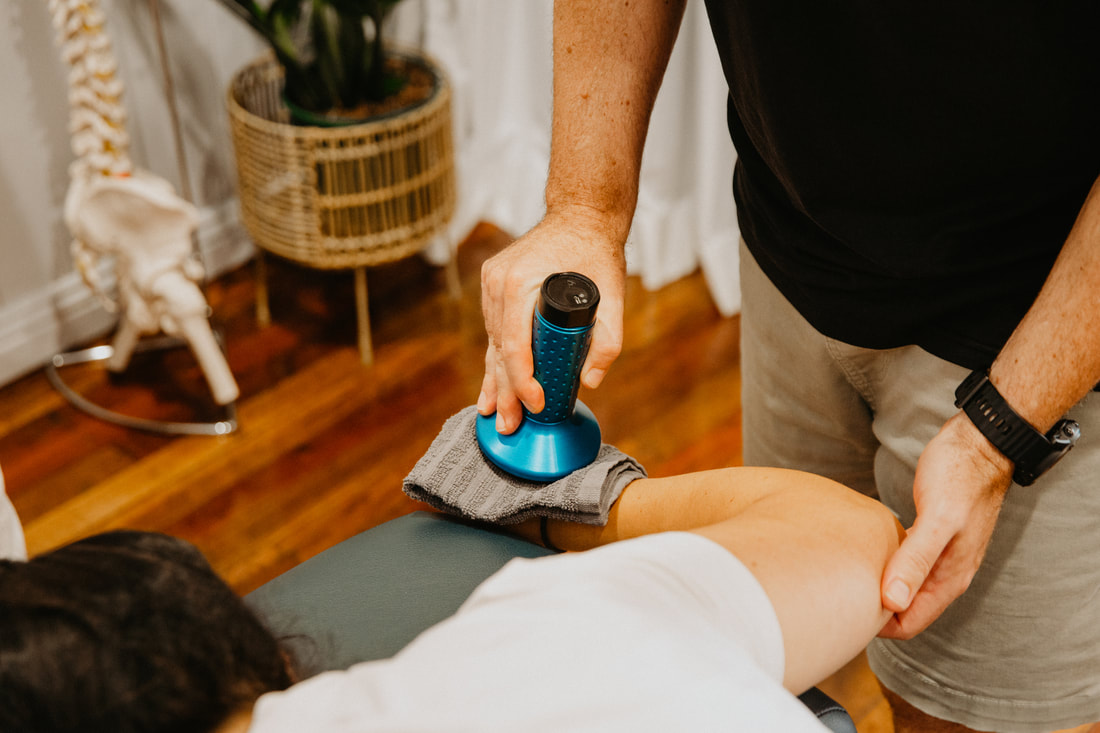
Sports physiotherapy for athletic throwing.
Athletic Throwing Events and the Role of a Specialized Physiotherapist
Athletic throwing events, including shot put, javelin, discus, and hammer throw, are key components of track and field athletics. These events demand a unique combination of strength, technique, and coordination, each with its specific physical challenges:
What Are Common Injuries in Athletic Throwing Events?
Athletes in throwing events are prone to specific types of injuries due to the high demands placed on certain muscle groups and joints:
How Can Athletes in Throwing Events Prevent These Injuries?
Injury prevention is key for athletes in throwing events:
What Physiotherapy Treatments Are Effective for Throwing Injuries?
Physiotherapy plays a significant role in treating and managing throwing injuries:
When Should a Throwing Athlete Consult a Physiotherapist?
It’s advisable to seek professional guidance in several scenarios:
How Can Physiotherapy Help in Long-Term Injury Prevention for Throwing Athletes?
Long-term injury prevention is crucial for throwing athletes:
What Recovery Strategies Should Throwing Athletes Employ?
Effective recovery strategies are vital:
If you have been injured during athletic throwing, there are many things that our Tarragindi physiotherapists can do to help get you back to being sport ready and active again so come in and speak to our friendly physiotherapists today! Feel free to give our Tarragindi Physiotherapy clinic a call on 07 3706 3407 or email [email protected]
Athletic throwing events, including shot put, javelin, discus, and hammer throw, are key components of track and field athletics. These events demand a unique combination of strength, technique, and coordination, each with its specific physical challenges:
- Shot Put: Requires explosive power and upper body strength to 'put' a heavy ball as far as possible.
- Javelin Throw: Involves running and then throwing a javelin with a combination of speed, strength, and precision.
- Discus Throw: Demands a skillful balance of rotational force and control to throw a heavy disc.
- Hammer Throw: Involves swinging a heavy weight on a wire around the head and releasing it with force.
- Targeted Injury Prevention and Rehabilitation: Understanding the biomechanics of each throwing event is crucial. A specialized physiotherapist can offer personalized strategies to prevent and rehabilitate injuries.
- Technique Enhancement: A deep knowledge of the technical aspects of each event allows physiotherapists to help athletes refine their techniques, which can improve performance and reduce injury risk.
- Performance Optimization: Physiotherapists can work with athletes to enhance strength, flexibility, and overall physical conditioning, vital for success in throwing disciplines.
What Are Common Injuries in Athletic Throwing Events?
Athletes in throwing events are prone to specific types of injuries due to the high demands placed on certain muscle groups and joints:
- Rotator Cuff Injuries: Common due to the repetitive and high-intensity overhead movements.
- Elbow Tendinopathy: From the strain of repetitive throwing motions.
- Lower Back Pain: Often a result of the twisting motion and force generation in throws.
- Knee Injuries: Due to the stress placed on the knees during the rotational and thrusting movements.
- Wrist and Finger Injuries: From the gripping and release of the implement.
How Can Athletes in Throwing Events Prevent These Injuries?
Injury prevention is key for athletes in throwing events:
- Proper Warm-Up: Including dynamic stretching to prepare muscles and joints.
- Technique Training: Proper throwing technique is crucial to reduce stress on the body.
- Strength and Conditioning: Focused on muscles used in throwing to build resilience.
- Flexibility and Mobility Work: To maintain and improve joint health.
- Regular Rest: Allowing time for recovery to prevent overuse injuries.
What Physiotherapy Treatments Are Effective for Throwing Injuries?
Physiotherapy plays a significant role in treating and managing throwing injuries:
- Manual Therapy: Such as massage and joint mobilizations to alleviate pain and improve mobility.
- Exercise Prescription: Tailored strengthening and flexibility exercises.
- Biomechanical Analysis: To identify and correct technical flaws in throwing motion.
- Ultrasound or Laser Therapy: For deep tissue injuries.
- Education on Load Management: Teaching athletes how to manage their training and competition loads.
When Should a Throwing Athlete Consult a Physiotherapist?
It’s advisable to seek professional guidance in several scenarios:
- After an Injury: For accurate diagnosis and a comprehensive treatment plan.
- Persistent Pain or Discomfort: Especially if it affects performance or worsens over time.
- For Preventive Advice: To learn strategies to minimize the risk of future injuries.
- Performance Optimization: To enhance physical capabilities and throwing techniques.
How Can Physiotherapy Help in Long-Term Injury Prevention for Throwing Athletes?
Long-term injury prevention is crucial for throwing athletes:
- Personalized Exercise Programs: Tailored to each athlete's specific needs, focusing on strength, flexibility, and endurance.
- Regular Assessments: To monitor progress and adjust training as needed.
- Technique Refinement: Continuous work on improving throwing technique to reduce injury risk.
- Lifestyle and Nutritional Advice: To support overall health and performance.
What Recovery Strategies Should Throwing Athletes Employ?
Effective recovery strategies are vital:
- Post-Training Cool Down: Gentle exercises and stretching to facilitate recovery.
- Adequate Hydration and Nutrition: To replenish lost fluids and nutrients.
- Sleep and Rest: Essential for muscle recovery and overall well-being.
- Mental Health Support: Recognizing the importance of psychological well-being in athletic performance.
If you have been injured during athletic throwing, there are many things that our Tarragindi physiotherapists can do to help get you back to being sport ready and active again so come in and speak to our friendly physiotherapists today! Feel free to give our Tarragindi Physiotherapy clinic a call on 07 3706 3407 or email [email protected]