articulate.
  • HOME
    • Our Team >
      • Mauricio Bara
      • Ash O'Regan
      • Bethany Kippen (nee Bethany Dick)
      • Eliane Machado
      • Emma Cameron
      • Yulia Khasyanova
  • Articulate 7th Birthday Specials
  • BOOKINGS
    • Patient Portal
  • PHYSIOTHERAPY SERVICES
    • Physiotherapy Services & Pricing >
      • Physiotherapy FAQs
      • Pregnancy Physiotherapy
      • Postnatal Physiotherapy
      • Mastitis Physiotherapy
    • Physiotherapy for Teenagers
    • GP Chronic Condition Management Plan Physiotherapy
    • CTP Physiotherapy
    • Dance Physiotherapy >
      • Pre-Pointe Assessments
    • Dry Needling
    • DVA Physiotherapy
    • NDIS Physiotherapy
    • Real Time Ultrasound
    • Telehealth Online Physiotherapy
    • Workcover Physiotherapy
  • EXERCISE PHYSIOLOGY SERVICES
    • Exercise Physiology Services & Pricing
    • GP Chronic Condition Management Plan Exercise Physiology
    • CTP Exercise Physiology
    • DVA Exercise Physiology
    • NDIS Exercise Physiology
    • Workcover Exercise Physiology
  • PHYSIO & EX PHYS LED PILATES
    • Clinical Exercise Class Timetable & Pricing
    • Balance & Bones Exercise Classes
    • Diabetes Management Exercise Classes
    • Prenatal Pilates 8 Week Course >
      • Prenatal Pilates FAQs
    • Mums & Bubs Postnatal 8 Week Block >
      • Mums & Bubs Pilates FAQs
  • GENERAL PILATES
    • Reformer Pilates Timetable
    • Pilates Pricing & Passes
    • Pilates FAQs
    • Memberships
    • Pilates Privates
    • Pilates Health Fund Claiming
  • CONDITIONS WE TREAT
    • Arthritis >
      • Ankle Osteoarthritis
      • Rheumatoid Arthritis
      • Shoulder Arthritis
      • Spondyloarthropathies and Ankylosing Spondylitis
      • Osteoarthritis of the Hip
    • Spine & Back >
      • Ankylosing Spondylitis
      • Degenerative Disc Disease
      • Herniated Discs
      • Sciatica
      • Spondylolysis and Spondylolisthesis
      • Kyphosis
      • Facet Joint Syndrome
      • Spinal Stenosis
      • Sacroiliac Joint Dysfunction
      • Sacroiliitis and SIJ Pain
    • Sprains and Strains >
      • Calf Strain
      • Groin Strains
      • Ligament Sprains
      • Muscle Strains
      • Repetitive Strain Injury
    • Foot and Ankle Pain >
      • Achilles Tendinopathy
      • Bunions
      • Flat Feet
      • Hammer, Claw & Mallet Toes
      • Heel Spurs
      • Metatarsalgia
      • Morton's Neuroma
      • Plantar Fasciitis
      • Posterior Tibial Tendon Dysfunction (PTTD)
      • Sesamoiditis
      • Stress Fractures
      • Tarsal Tunnel Syndrome
    • Calf Pain >
      • Shin Splints | Medial tibial stress syndrome (MTSS)
    • Knee Pain >
      • Anterior Cruciate Ligament (ACL) Injuries
      • Baker's Cyst
      • Chondromalacia Patella
      • Iliotibial Band Syndrome
      • Lateral Collateral Ligament (LCL) Injuries
      • Ligamentous Laxity or Hypermobility of the Knee
      • Jumper's Knee (Patellar Tendinopathy)
      • Medial Collateral Ligament (MCL) Injuries
      • Meniscal Tears
      • Osteoarthritis of the Knee
      • Knee Gout
      • Knee Dislocations
      • Knee Bursitis
      • Patellofemoral Pain Syndrome
      • Posterior Cruciate Ligament (PCL) Injuries
      • Quadriceps Tendon Tear
    • Hip Pain >
      • Pelvic Girdle Pain
      • Labral Tears
      • Gluteal Tendinopathy
      • Hip Bursitis
      • Piriformis Syndrome
      • Femoroacetabular Impingment Syndrome | FAI
      • Greater Trochanteric Pain Syndrome (GTPS)
      • Hip Adductor Strain
      • Hip Fractures
      • Hip Flexor Strain
      • Snapping Hip Syndrome
    • Neck Pain >
      • Atlantoaxial Instability
      • Thoracic Outlet Syndrome
      • Cervical Instability
      • Cervical Myelopathy
      • Cervical Facet Joint Syndrome
      • Cervical Radiculopathy
      • Cervical Stenosis
      • Cervical Spondylosis
      • Cervical Disc Herniation
      • Cranio-Cervical Instability
      • Torticollis
      • Whiplash Treatment
    • Headaches and Migraines >
      • Cervicogenic Headache
    • TMJ and Jaw Pain
    • Wrist Pain >
      • Carpal Tunnel Syndrome
      • DeQuervain Tenosynovitis
    • Tennis Elbow
    • Shoulder Pain >
      • Acromioclavicular (AC) Joint Disorders
      • Brachial Plexus Injuries
      • Calcific Tendinitis
      • Frozen Shoulder
      • Glenohumeral Joint Instability
      • Rotator Cuff Injury
      • SLAP Tears (Superior Labrum Anterior to Posterior tears)
      • Shoulder Bursitis
      • Shoulder Dislocations
      • Shoulder Impingement
      • Winged Scapula
    • Bursitis
    • Fracture Rehabilitation
    • Growth related conditions >
      • Scheuermann's Disease
      • Sever's Disease
      • Osgood-Schlatter Disease
      • Sinding-Larsen-Johansson Syndrome
    • Performance Enhancement
    • Sports Injuries >
      • AFL
      • Athletic Throwing
      • Artistic Swimming
      • Baseball
      • Basketball
      • Beach Volleyball
      • Cricket
      • CrossFit
      • Cycling
      • Diving
      • Endurance Running
      • Futsal
      • Golf
      • Gymnastics
      • High Jump
      • Hockey
      • Karate
      • Kickboxing
      • Long Jump
      • MMA
      • Netball
      • Boxing
      • Pickleball
      • Powerlifting
      • Rock Climbing
      • Rowing
      • Rugby League
      • Rugby Union
      • Soccer
      • Softball
      • Strength Athletes
      • Sailing
      • Skiing
      • Snowboarding
      • Sprinting
      • Squash
      • Surfing
      • Swimming
      • Tennis
      • Touch Football
      • Triathlons
      • Volleyball
      • Water Polo
      • Weightlifting
      • Wrestling
      • Yoga
    • Chronic Pain >
      • CRPS
      • Chronic Fatigue Syndrome/Myalgic Encephalmyelitis
      • Fibromyalgia
      • Osteogenesis Imperfecta
    • Osteoporosis
    • Hypermobility >
      • Ehlers-Danlos Syndrome
      • Joint Hypermobility Syndrome
      • Loeys-Dietz Syndrome
      • Marfan Syndrome
      • Stickler Syndrome
    • POTS
    • Hypotension
    • Balance and Coordination >
      • Postural Disorders
      • Vestibular Disorders
    • Healthy Aging
    • Neurological Conditions >
      • Alzheimer's Disease
      • Concussions
      • Charcot-Marie-Tooth
      • Guillain-Barre Syndrome
      • Multiple Sclerosis
      • Peripheral Neuropathies
      • Parkinsons Disease
      • Stroke Rehabilitation
    • Post-Surgical Rehab >
      • Abdominoplasty
      • Achilles Tendon Rupture Repair
      • ACDF Rehabilitation
      • Acromioclavicular (AC) Joint Reconstruction
      • Ankle Ligament Repair
      • Anterior Ankle Impingement Surgery
      • Anterior Cruciate Ligament (ACL) Repair
      • Artificial Disc Replacement
      • Bunionectomy
      • Carpal Tunnel Release
      • Clavicle ORIF
      • Diastasis Recti Repair
      • Discectomy
      • Distal Biceps Tendon Repair
      • Flatfoot Reconstruction
      • Greater Trochanteric Repair
      • Hamstring Tendon Repair
      • Hernia Repair
      • Hip Arthroscopy
      • High Tibial Osteotomy
      • Fixations Following Fracture
      • Labral Repair
      • Laminectomy
      • LUCL Repair
      • Latarjet Procedure Rehabilitation
      • Lisfranc Injury Repair
      • Meniscus Repair
      • MPFL Reconstruction Rehabilitation
      • Neck of Femur Fracture Fixation
      • Osteochondral Grafting or Microfracture Surgery
      • Patellar Tendon Repair
      • Patellar Tendon Transfer
      • Pelvic Fracture Fixation
      • Posterior Cruciate Ligament (PCL) Reconstruction
      • Proximal Humerus ORIF
      • Quadriceps Tendon Repair
      • Rotator Cuff Repair
      • Reverse Total Shoulder Replacement Rehabilitation | Physio Brisbane Southside
      • Sacroiliac Joint Fusion
      • Scoliosis Repair
      • Shoulder Reconstruction
      • SLAP Lesion Repair
      • Spinal Fusion
      • Subacromial Decompression
      • Total Knee Replacement
      • Total Hip Replacement
      • Triple Arthrodesis
      • Ulnar Collateral Ligament Reconstruction
      • Scaphoid Fracture Fixation
      • Radial Head Replacement
      • Tendon Release
    • Women's Health Conditions >
      • Abdominal separation (rectus diastasis or DRAMS)
      • Menopause & Perimenopause
      • Polycystic Ovary Syndrome (PCOS) Physiotherapy
      • Pregnancy-Related Issues >
        • Pregnancy-Related Back Pain
        • Diastasis Recti (Abdominal Separation)
        • Pelvic Girdle Pain (Symphysis Pubis Dysfunction)
        • Postural Changes During Pregnancy
        • Return to Running After Pregnancy
    • Exercise After Bariatric Surgery
    • Exercise After Cancer Treatment
    • Semaglutides / GLP-1 & Exercise
  • CAREERS
  • BLOG
  • REFERRAL FORM
  • CONTACT US
  • GIFT VOUCHERS
Dance physiotherapy injury management and performance enhancement at Articulate Physiotherapy Tarragindi Brisbane southside

Dance Physiotherapy.

Physiotherapy for dancers — why it's different
Dance is one of the most physically demanding art forms — combining extreme ranges of motion, high-impact loading, repetitive technique training, aesthetic performance requirements and often a culture of training through pain that delays injury presentation. Understanding the physical demands of dance — the specific movement patterns, the loading characteristics, the psychological relationship with the body and performance — is essential for providing physiotherapy that actually works for dancers.

At Articulate Physiotherapy in Tarragindi, our team includes practitioners with personal experience in ballet, contemporary dance and salsa, giving us a genuine understanding of the movement vocabulary and the demands placed on the dancing body. We work with dancers at all levels — from recreational students to pre-professional and professional performers — across all dance styles.

Common dance injuries
Dance injuries reflect the specific movement demands of the art form. The most common presentations we see include:
Foot and ankle injuries are the most prevalent category in dancers — particularly in ballet and contemporary. Ankle sprains from landing and turning, Achilles tendinopathy from repetitive plantarflexion loading, plantar fasciitis, sesamoiditis from demi-pointe loading, anterior ankle impingement from forced plantarflexion, and stress fractures of the metatarsals and navicular are all common dance-specific presentations.

Hip and groin injuries from the extreme external rotation demands of classical ballet — femoroacetabular impingement, hip labral tears, snapping hip syndrome, gluteal tendinopathy and groin strains are consistently seen in classical dancers. The demand for maximum turnout from the hip often exceeds what the bony morphology of the hip can safely accommodate, and this is where assessment of functional versus anatomical turnout is critical.

Knee injuries — patellofemoral pain syndrome and patellar tendinopathy from jumping and demi-plié loading, meniscal irritation from extreme rotational demands at the knee — are common particularly in styles requiring deep plié and jump-landing sequences.
Spinal injuries — lower back pain from repeated hyperextension in contemporary and ballet, spondylolysis from repeated lumbar loading in young dancers, and thoracic pain from partnering work in all styles.

Shoulder and upper limb injuries — rotator cuff overuse from overhead lifting in contemporary and ballroom, wrist injuries from floor work in contemporary and break dance.

The overuse injury epidemic in dance
Dance training culture frequently normalises pain and encourages pushing through discomfort — which delays injury presentation and allows acute problems to become chronic. A distinctive feature of dance physiotherapy is working within this culture thoughtfully — helping dancers understand the difference between productive training discomfort and injury signals without creating fear-avoidance that limits performance, while ensuring significant pathology is not missed.

Load management — the same principles that apply to running and other high-volume training sports — is one of the most important clinical contributions physiotherapy can make to a dancer's training. Sudden increases in rehearsal hours before performances, returning from breaks with unchanged training volumes, and training through injury without modification are the most common load-related injury drivers.

Hypermobility in dancers
Many dancers — particularly those selected for classical ballet training — have significant joint hypermobility, which confers aesthetic advantages (extreme ranges of motion, beautiful lines) while simultaneously elevating injury risk. Joint hypermobility spectrum disorder and EDS are overrepresented in the dance population compared to the general population. Our team's specialist experience in hypermobility management — particularly Yulia's EDS Society certifications — is directly relevant to hypermobile dancers who need a physiotherapy approach that understands the specific challenges of building stability without restricting the mobility that defines their art.

Pre-pointe assessment
For ballet dancers preparing to dance en pointe, a pre-pointe assessment is a structured evaluation of the physical readiness of the foot, ankle, strength and alignment required for safe pointe work. Dancing en pointe before the necessary strength, alignment and technique are established significantly elevates injury risk — particularly in the foot, ankle and spine. See our dedicated pre-pointe assessment page for the full detail on what is assessed and what is required for clearance.

How can physiotherapy help?
A physiotherapy assessment for a dancer begins with understanding the specific demands of the dance style, the training load and schedule, the performance calendar and the dancer's goals — not just the presenting injury. Treatment integrates hands-on physiotherapy with dance-specific rehabilitation that makes sense in the context of the movement vocabulary the dancer uses.

Manual therapy addresses joint restrictions and soft tissue dysfunction. Dry needling manages myofascial trigger points in the muscles commonly overloaded in dance. Real time ultrasound guides deep stabiliser retraining where pain and overuse have disrupted normal muscle activation patterns. Progressive loading programs rebuild the specific strength needed for the dancer's technique without compromising the flexibility and range of motion that are central to their performance.

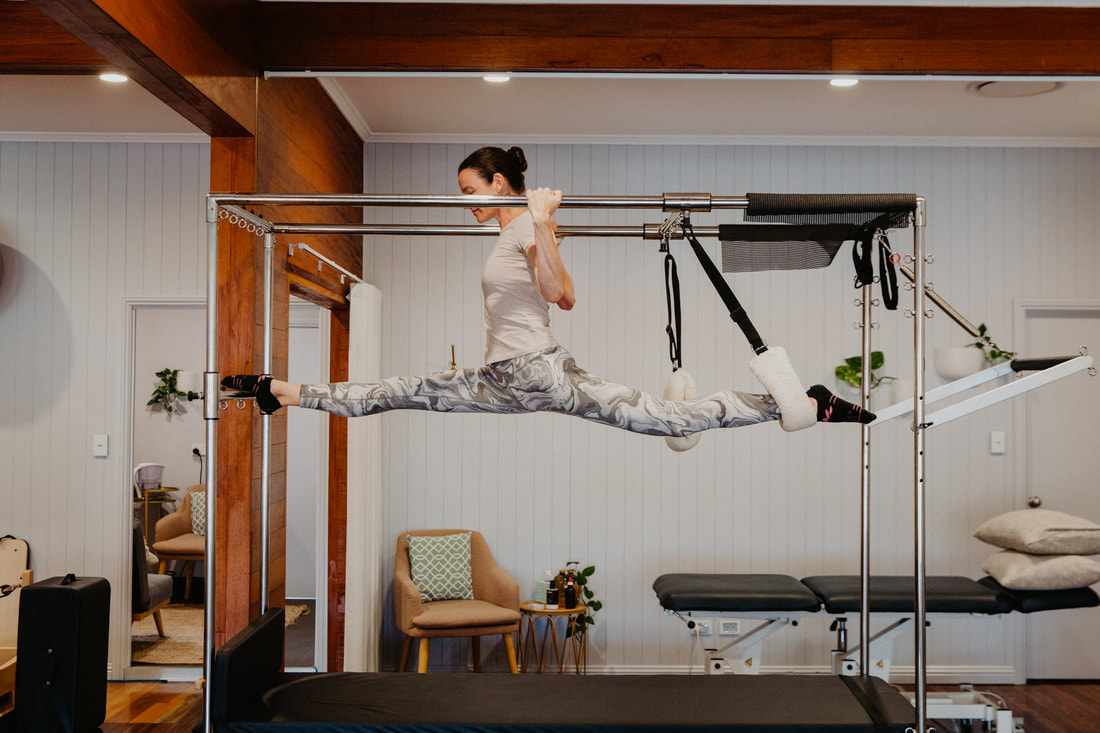
Clinical Pilates is a natural complement to dance rehabilitation — the emphasis on core control, body awareness, breath, movement precision and progressive loading in a Pilates context translates directly to the demands of dance training.

Return to dance programming — graduated reintroduction of class, rehearsal and performance demands — is the final phase and requires an understanding of the dance context to implement safely and practically.

Our physiotherapists Mauricio Bara and Emma Cameron both have experience in dance physiotherapy and are members of the Australian Physiotherapy Association. Mauricio's background as Principal Physiotherapist and APA Sports Physiotherapist means he understands the performance demands and return-to-dance decision-making that are critical for dancers at all levels. Emma's background in exercise science and women's health brings a particular strength to the adolescent and young adult dance population who make up a significant proportion of dance physiotherapy presentations.
​
To book or find out more, call us on 07 3706 3407 or book online below. We see patients from across Brisbane's southside including Tarragindi, Coorparoo, Holland Park, Greenslopes and Mt Gravatt.
BOOK YOUR DANCE PHYSIOTHERAPY APPOINTMENT

Our dance physiotherapy team.

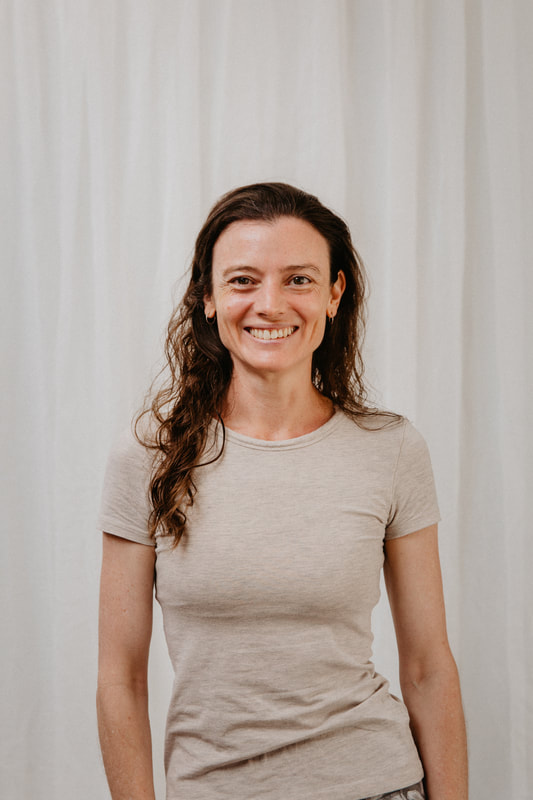
Emma Cameron, Physiotherapist and Exercise Scientist specialising in dance physiotherapy and adolescent performance conditions at Articulate Physiotherapy Tarragindi Brisbane southside

Physiotherapist & Exercise Scientist.
Emma Cameron.

Emma Cameron brings an unusual combination of qualifications and lived experience to her physiotherapy practice. With a Bachelor of Science in Psychology (Honours), a Masters of Sport and Exercise Science, and a Masters of Physiotherapy, Emma's academic foundation is broader and deeper than most — and it shows in the way she approaches patient care. She integrates her understanding of psychology, human movement and clinical physiotherapy into treatment plans that address not just the injury but the person experiencing it.

Many families coming in for dance physiotherapy will already know Emma — she spent years fitting pointe shoes before physiotherapy, giving her an intimate understanding of the foot and ankle demands of ballet, the common problems that arise from poor fit or premature progression to pointe, and the trust that comes from being known in the dance community. Her clinical background in ballet and her early career in the dance world are an unusual and genuinely valuable combination.

Special interests
  • Dancers — including pointe readiness assessment, shoe fitting advice and the full spectrum of dance injuries across ballet, contemporary and other styles
  • Lower limb conditions — foot, ankle, knee and hip injuries across sporting and dance populations
  • Exercise prescription for performance enhancement and injury prevention
  • Clinical Pilates — particularly in a performance enhancement context

Emma holds Pilates certification and has a particular interest in using Pilates as a precision tool for building the strength, body awareness and movement quality that underpin both injury prevention and performance. Her exercise science background means her exercise prescription is specific, progressive and evidence-based — not generic.
​
She works across the full range of physiotherapy presentations at Articulate but is most at home with the complex intersection of performance, load management and movement quality that characterises dance and athletic presentations. Her approach is holistic without being vague — she combines genuine warmth and patient-centred care with skilled, targeted exercise prescription.

Member of the International Association for Dance Medicine & Science
Member of Dance Medica
Pilates for Dancers, APPI 2021
Foot and Ankle in Sport & Dance, APA 2021
FIND OUT MORE ABOUT EMMA
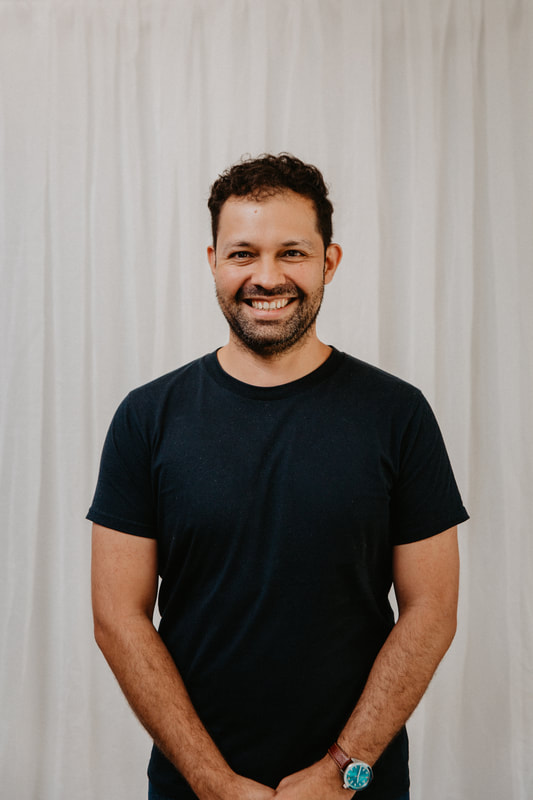
Mauricio Bara, Principal Physiotherapist and APA Sports Physiotherapist with experience treating dancers of the Queensland Ballet, Australian National Ballet and West Australian Ballet at Articulate Physiotherapy Tarragindi Brisbane southside
​Senior physiotherapist & Exercise physiologist.
Mauricio Bara.
Mauricio's entry into dance physiotherapy came through proximity rather than design. While working in West End, he was approached to assist in the treatment of junior dancers attending the Queensland Ballet Academy at Kelvin Grove — and quickly found that his background in biomechanics and exercise prescription translated naturally into the specific demands of dance rehabilitation and performance enhancement. That initial connection led to work with dancers of the Queensland Ballet, the Australian National Ballet and the West Australian Ballet, and he has continued to work with elite dancers including those performing in the Ballet International Gala.

Mauricio approaches dance physiotherapy through the same lens he brings to sports physiotherapy — understanding the specific physical demands of the art form, the performance calendar that shapes rehabilitation timelines, and the importance of working collaboratively with teachers and the broader treating team to make clinical decisions that are practical within the dancer's training context. His interest areas in dance include injury prevention, lower limb conditions, and strength and conditioning using Pilates and resistance training calibrated to the dancer's technique and upcoming performance demands. He is happy to liaise directly with dance teachers and other members of the treating team to tailor rehabilitation to rehearsal schedules and performance requirements.

Special Interests
  • Injury prevention and load management for dancers in training and performance seasons
  • Lower limb conditions — foot and ankle injuries, hip and groin pathology, knee pain and tendinopathies common in classical and contemporary dance
  • Hypermobility and connective tissue considerations in dancers — understanding when extreme range of motion is an asset and when it becomes a liability
  • Strength and conditioning using Pilates method and progressive resistance training tailored to the dancer's technique and aesthetic requirements
  • Return-to-dance programming following injury — calibrating rehabilitation timelines to rehearsal schedules and performance demands​​

Sports Level 1, APA (2011)
Sports Level 2, APA (2012)
Mastering Muscle Injury Management, The Sports MAP Network (2024)
Solving Soft Tissue Injuries, The Sports MAP (2025)
FIND OUT MORE ABOUT MAURICIO
If you are unsure about which appointment type is right for you, please don't hesitate to get in touch with our friendly reception staff by calling 07 3706 3407 or emailing [email protected].

    Email us.

Submit
In the spirit of reconciliation Articulate acknowledges the Traditional Custodians of country throughout Australia and their connections to land, sea and community. We pay our respect to their Elders past and present and extend that respect to all Aboriginal and Torres Strait Islander peoples today.
articulate. physiotherapy

​48 Esher St | Tarragindi | Qld | 4121

Phone 07 3706 3407

Fax 07 3036 6644

Email [email protected]

Clinic Hours
Monday - Thursday 5:00am - 7:00pm
Friday 5:00am - 5:00pm
Saturday 6:00am - 3:00pm
Sunday 7:00am - 11:00am

Please note our admin hours are 9am - 5pm Mon - Thursday, 9am - 4pm Friday and 8am - 1pm Saturday. Please leave a message if no one answers the phone and we will get back to you as soon as possible.
book online

Areas we service

We're conveniently located in Tarragindi and see patients from across Brisbane's southside, including:

​ Annerley | Camp Hill | Coorparoo | Dutton Park | Ekibin | Fairfield | Greenslopes | Holland Park | Holland Park West | Macgregor | Moorooka | Mt Gravatt | Nathan | Robertson | Salisbury | Stones Corner | Tarragindi | Wellers Hill | Yeerongpilly | Yeronga

​
If you are looking for a physio near me, or Pilates near me we would love to help!
  • HOME
    • Our Team >
      • Mauricio Bara
      • Ash O'Regan
      • Bethany Kippen (nee Bethany Dick)
      • Eliane Machado
      • Emma Cameron
      • Yulia Khasyanova
  • Articulate 7th Birthday Specials
  • BOOKINGS
    • Patient Portal
  • PHYSIOTHERAPY SERVICES
    • Physiotherapy Services & Pricing >
      • Physiotherapy FAQs
      • Pregnancy Physiotherapy
      • Postnatal Physiotherapy
      • Mastitis Physiotherapy
    • Physiotherapy for Teenagers
    • GP Chronic Condition Management Plan Physiotherapy
    • CTP Physiotherapy
    • Dance Physiotherapy >
      • Pre-Pointe Assessments
    • Dry Needling
    • DVA Physiotherapy
    • NDIS Physiotherapy
    • Real Time Ultrasound
    • Telehealth Online Physiotherapy
    • Workcover Physiotherapy
  • EXERCISE PHYSIOLOGY SERVICES
    • Exercise Physiology Services & Pricing
    • GP Chronic Condition Management Plan Exercise Physiology
    • CTP Exercise Physiology
    • DVA Exercise Physiology
    • NDIS Exercise Physiology
    • Workcover Exercise Physiology
  • PHYSIO & EX PHYS LED PILATES
    • Clinical Exercise Class Timetable & Pricing
    • Balance & Bones Exercise Classes
    • Diabetes Management Exercise Classes
    • Prenatal Pilates 8 Week Course >
      • Prenatal Pilates FAQs
    • Mums & Bubs Postnatal 8 Week Block >
      • Mums & Bubs Pilates FAQs
  • GENERAL PILATES
    • Reformer Pilates Timetable
    • Pilates Pricing & Passes
    • Pilates FAQs
    • Memberships
    • Pilates Privates
    • Pilates Health Fund Claiming
  • CONDITIONS WE TREAT
    • Arthritis >
      • Ankle Osteoarthritis
      • Rheumatoid Arthritis
      • Shoulder Arthritis
      • Spondyloarthropathies and Ankylosing Spondylitis
      • Osteoarthritis of the Hip
    • Spine & Back >
      • Ankylosing Spondylitis
      • Degenerative Disc Disease
      • Herniated Discs
      • Sciatica
      • Spondylolysis and Spondylolisthesis
      • Kyphosis
      • Facet Joint Syndrome
      • Spinal Stenosis
      • Sacroiliac Joint Dysfunction
      • Sacroiliitis and SIJ Pain
    • Sprains and Strains >
      • Calf Strain
      • Groin Strains
      • Ligament Sprains
      • Muscle Strains
      • Repetitive Strain Injury
    • Foot and Ankle Pain >
      • Achilles Tendinopathy
      • Bunions
      • Flat Feet
      • Hammer, Claw & Mallet Toes
      • Heel Spurs
      • Metatarsalgia
      • Morton's Neuroma
      • Plantar Fasciitis
      • Posterior Tibial Tendon Dysfunction (PTTD)
      • Sesamoiditis
      • Stress Fractures
      • Tarsal Tunnel Syndrome
    • Calf Pain >
      • Shin Splints | Medial tibial stress syndrome (MTSS)
    • Knee Pain >
      • Anterior Cruciate Ligament (ACL) Injuries
      • Baker's Cyst
      • Chondromalacia Patella
      • Iliotibial Band Syndrome
      • Lateral Collateral Ligament (LCL) Injuries
      • Ligamentous Laxity or Hypermobility of the Knee
      • Jumper's Knee (Patellar Tendinopathy)
      • Medial Collateral Ligament (MCL) Injuries
      • Meniscal Tears
      • Osteoarthritis of the Knee
      • Knee Gout
      • Knee Dislocations
      • Knee Bursitis
      • Patellofemoral Pain Syndrome
      • Posterior Cruciate Ligament (PCL) Injuries
      • Quadriceps Tendon Tear
    • Hip Pain >
      • Pelvic Girdle Pain
      • Labral Tears
      • Gluteal Tendinopathy
      • Hip Bursitis
      • Piriformis Syndrome
      • Femoroacetabular Impingment Syndrome | FAI
      • Greater Trochanteric Pain Syndrome (GTPS)
      • Hip Adductor Strain
      • Hip Fractures
      • Hip Flexor Strain
      • Snapping Hip Syndrome
    • Neck Pain >
      • Atlantoaxial Instability
      • Thoracic Outlet Syndrome
      • Cervical Instability
      • Cervical Myelopathy
      • Cervical Facet Joint Syndrome
      • Cervical Radiculopathy
      • Cervical Stenosis
      • Cervical Spondylosis
      • Cervical Disc Herniation
      • Cranio-Cervical Instability
      • Torticollis
      • Whiplash Treatment
    • Headaches and Migraines >
      • Cervicogenic Headache
    • TMJ and Jaw Pain
    • Wrist Pain >
      • Carpal Tunnel Syndrome
      • DeQuervain Tenosynovitis
    • Tennis Elbow
    • Shoulder Pain >
      • Acromioclavicular (AC) Joint Disorders
      • Brachial Plexus Injuries
      • Calcific Tendinitis
      • Frozen Shoulder
      • Glenohumeral Joint Instability
      • Rotator Cuff Injury
      • SLAP Tears (Superior Labrum Anterior to Posterior tears)
      • Shoulder Bursitis
      • Shoulder Dislocations
      • Shoulder Impingement
      • Winged Scapula
    • Bursitis
    • Fracture Rehabilitation
    • Growth related conditions >
      • Scheuermann's Disease
      • Sever's Disease
      • Osgood-Schlatter Disease
      • Sinding-Larsen-Johansson Syndrome
    • Performance Enhancement
    • Sports Injuries >
      • AFL
      • Athletic Throwing
      • Artistic Swimming
      • Baseball
      • Basketball
      • Beach Volleyball
      • Cricket
      • CrossFit
      • Cycling
      • Diving
      • Endurance Running
      • Futsal
      • Golf
      • Gymnastics
      • High Jump
      • Hockey
      • Karate
      • Kickboxing
      • Long Jump
      • MMA
      • Netball
      • Boxing
      • Pickleball
      • Powerlifting
      • Rock Climbing
      • Rowing
      • Rugby League
      • Rugby Union
      • Soccer
      • Softball
      • Strength Athletes
      • Sailing
      • Skiing
      • Snowboarding
      • Sprinting
      • Squash
      • Surfing
      • Swimming
      • Tennis
      • Touch Football
      • Triathlons
      • Volleyball
      • Water Polo
      • Weightlifting
      • Wrestling
      • Yoga
    • Chronic Pain >
      • CRPS
      • Chronic Fatigue Syndrome/Myalgic Encephalmyelitis
      • Fibromyalgia
      • Osteogenesis Imperfecta
    • Osteoporosis
    • Hypermobility >
      • Ehlers-Danlos Syndrome
      • Joint Hypermobility Syndrome
      • Loeys-Dietz Syndrome
      • Marfan Syndrome
      • Stickler Syndrome
    • POTS
    • Hypotension
    • Balance and Coordination >
      • Postural Disorders
      • Vestibular Disorders
    • Healthy Aging
    • Neurological Conditions >
      • Alzheimer's Disease
      • Concussions
      • Charcot-Marie-Tooth
      • Guillain-Barre Syndrome
      • Multiple Sclerosis
      • Peripheral Neuropathies
      • Parkinsons Disease
      • Stroke Rehabilitation
    • Post-Surgical Rehab >
      • Abdominoplasty
      • Achilles Tendon Rupture Repair
      • ACDF Rehabilitation
      • Acromioclavicular (AC) Joint Reconstruction
      • Ankle Ligament Repair
      • Anterior Ankle Impingement Surgery
      • Anterior Cruciate Ligament (ACL) Repair
      • Artificial Disc Replacement
      • Bunionectomy
      • Carpal Tunnel Release
      • Clavicle ORIF
      • Diastasis Recti Repair
      • Discectomy
      • Distal Biceps Tendon Repair
      • Flatfoot Reconstruction
      • Greater Trochanteric Repair
      • Hamstring Tendon Repair
      • Hernia Repair
      • Hip Arthroscopy
      • High Tibial Osteotomy
      • Fixations Following Fracture
      • Labral Repair
      • Laminectomy
      • LUCL Repair
      • Latarjet Procedure Rehabilitation
      • Lisfranc Injury Repair
      • Meniscus Repair
      • MPFL Reconstruction Rehabilitation
      • Neck of Femur Fracture Fixation
      • Osteochondral Grafting or Microfracture Surgery
      • Patellar Tendon Repair
      • Patellar Tendon Transfer
      • Pelvic Fracture Fixation
      • Posterior Cruciate Ligament (PCL) Reconstruction
      • Proximal Humerus ORIF
      • Quadriceps Tendon Repair
      • Rotator Cuff Repair
      • Reverse Total Shoulder Replacement Rehabilitation | Physio Brisbane Southside
      • Sacroiliac Joint Fusion
      • Scoliosis Repair
      • Shoulder Reconstruction
      • SLAP Lesion Repair
      • Spinal Fusion
      • Subacromial Decompression
      • Total Knee Replacement
      • Total Hip Replacement
      • Triple Arthrodesis
      • Ulnar Collateral Ligament Reconstruction
      • Scaphoid Fracture Fixation
      • Radial Head Replacement
      • Tendon Release
    • Women's Health Conditions >
      • Abdominal separation (rectus diastasis or DRAMS)
      • Menopause & Perimenopause
      • Polycystic Ovary Syndrome (PCOS) Physiotherapy
      • Pregnancy-Related Issues >
        • Pregnancy-Related Back Pain
        • Diastasis Recti (Abdominal Separation)
        • Pelvic Girdle Pain (Symphysis Pubis Dysfunction)
        • Postural Changes During Pregnancy
        • Return to Running After Pregnancy
    • Exercise After Bariatric Surgery
    • Exercise After Cancer Treatment
    • Semaglutides / GLP-1 & Exercise
  • CAREERS
  • BLOG
  • REFERRAL FORM
  • CONTACT US
  • GIFT VOUCHERS