Post-Surgical Rehabilitation.
Expert rehabilitation after surgery
Surgery is often just the beginning of the recovery journey. The outcome of an orthopaedic or surgical procedure is determined not just by the quality of the surgery itself, but by the quality of the rehabilitation that follows. Physiotherapy after surgery restores the strength, mobility and function that surgery alone cannot provide — and without it, even a technically successful procedure may produce a disappointing functional result.
At Articulate Physiotherapy in Tarragindi, we provide individualised post-surgical rehabilitation for a wide range of orthopaedic, spinal and soft tissue procedures. Our physiotherapists work closely with your surgeon and treating team to ensure that your rehabilitation program is calibrated to your specific procedure, your surgical findings, and your personal goals — whether that is returning to daily activities, work, sport or an active lifestyle.
Prehabilitation — getting stronger before surgery
Even prior to surgery, physiotherapy will help provide an individualised prehabilitation program to ensure a faster recovery after surgery. The evidence for prehabilitation — physiotherapy in the weeks before an elective procedure — is strong and growing. Patients who arrive at surgery with better strength, range of motion and cardiovascular fitness recover faster, have shorter hospital stays, require less post-operative analgesia and achieve better functional outcomes. If you have an elective procedure scheduled, booking a physiotherapy prehabilitation program is one of the most effective things you can do to improve your outcome.
Why physiotherapy is essential after surgery
Surgery and the immobilisation that follows take a significant toll on the body. Post-surgery there may be residing stiffness, pain and reduced joint range of motion associated with the surgical area which a physiotherapist can help to reduce through manual therapy such as with mobilisations. Surgery and consequent periods of immobilisation or reduced physical activity can lead to weakness, and using a progressive approach to exercise, physiotherapy can help build up strength to ensure a safe return to sport and return to activities of daily living.
Beyond pain and stiffness, the neurological consequences of surgery — disrupted proprioception, altered movement patterns, inhibited muscle activation from pain — require specific rehabilitation that goes beyond simply doing exercises at home. A physiotherapist identifies these specific impairments, applies the targeted interventions to address them, and progressively challenges the recovering tissues in a way that promotes healing without overloading the surgical repair.
The surgeries we rehabilitate
We have dedicated rehabilitation programs for a comprehensive range of procedures. Click through to the specific page for detailed phase-by-phase rehabilitation information for each procedure.
What does post-surgical physiotherapy involve?
The specifics of rehabilitation vary considerably between procedures, but several principles apply universally. In the acute phase — typically the first two to six weeks — the priorities are swelling and pain management, protected mobilisation within the surgeon's guidelines, and prevention of the deconditioning that accumulates rapidly during immobilisation. Neural and muscular inhibition from surgery and pain is addressed through specific reactivation techniques including real time ultrasound to guide deep muscle retraining.
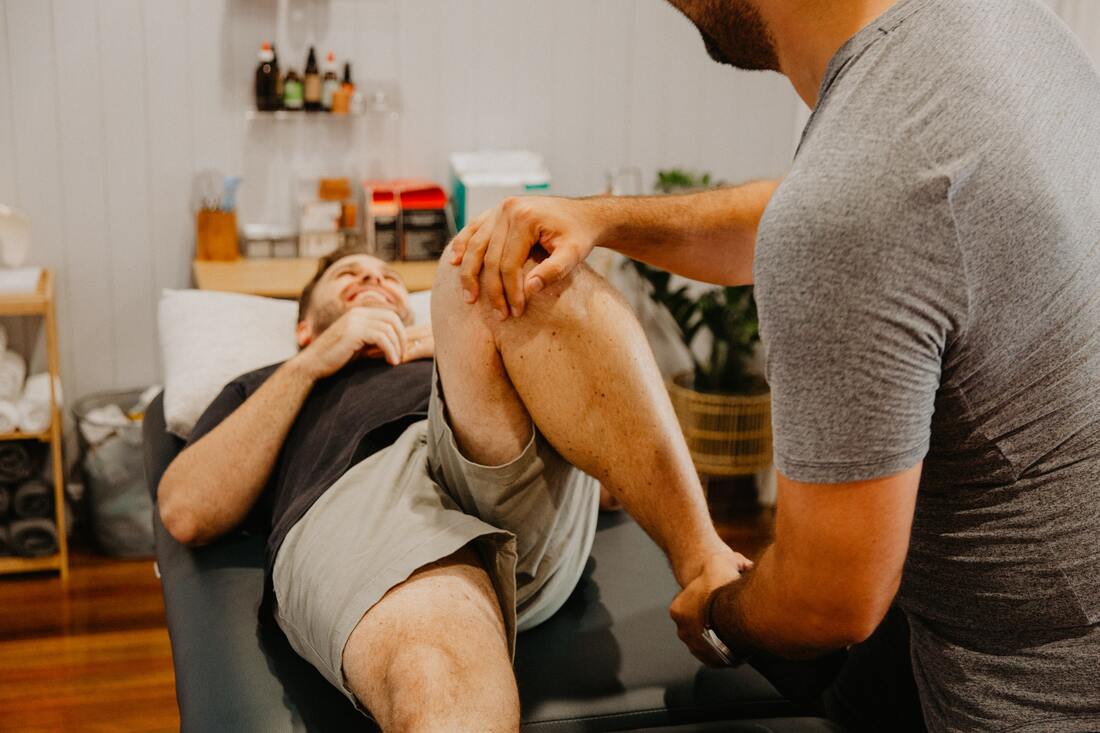
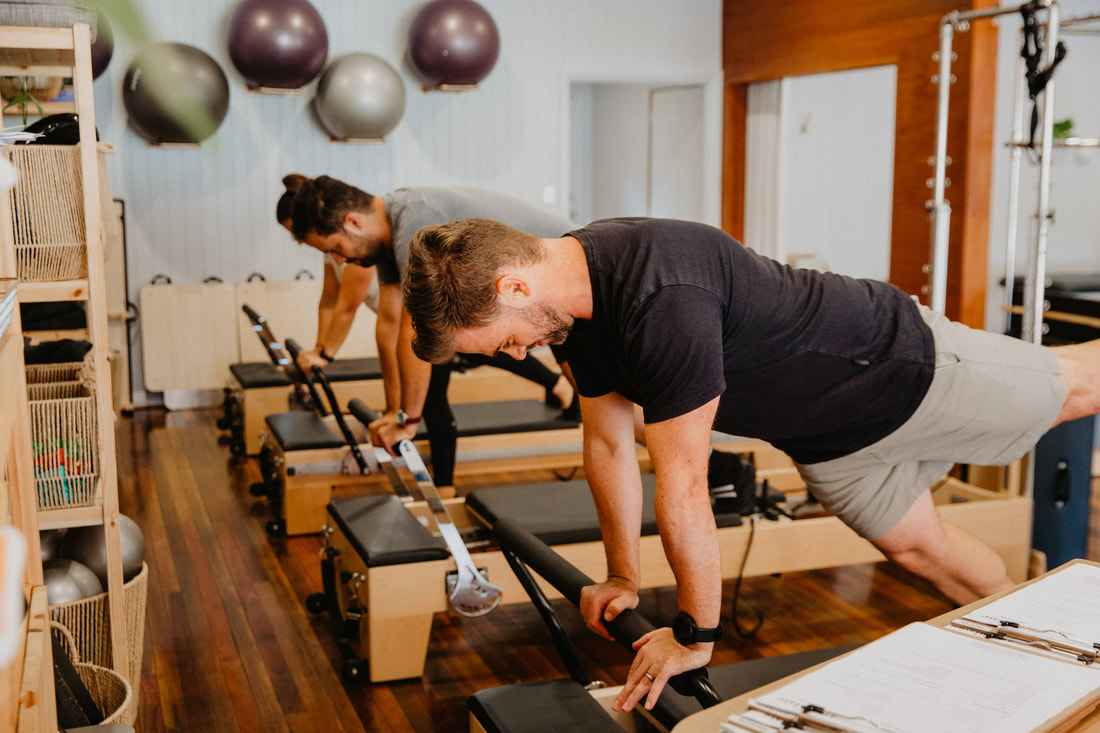
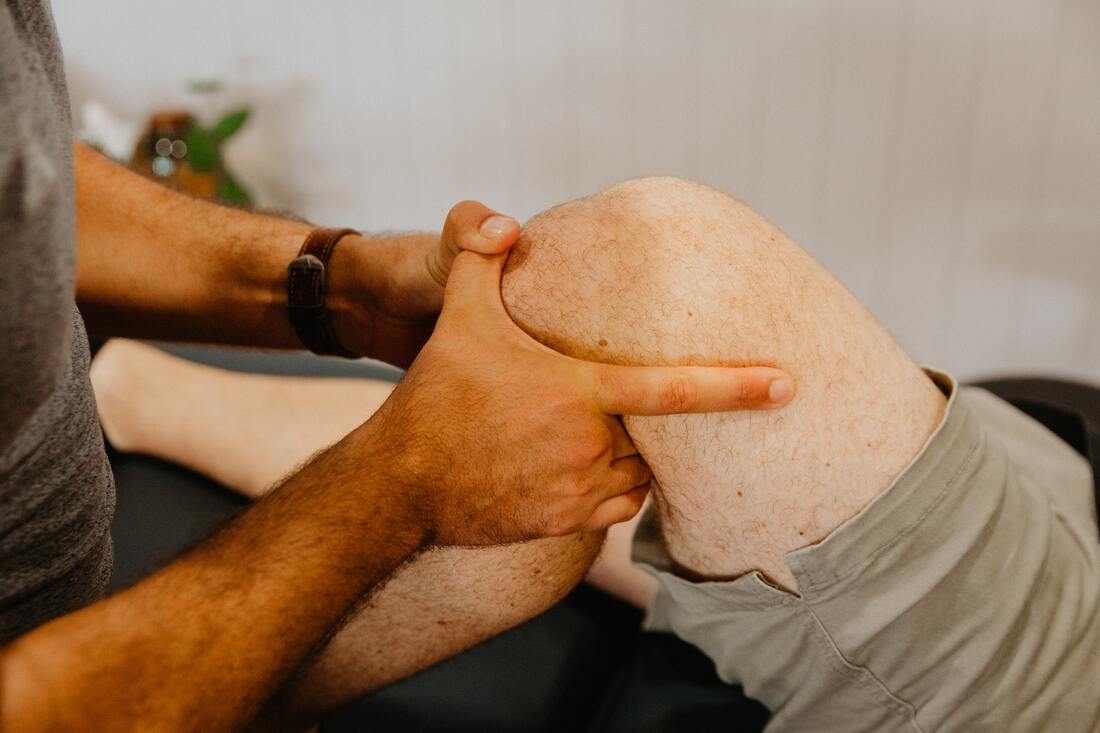
In the intermediate rehabilitation phase, progressive strengthening, range of motion restoration and neuromuscular retraining are the primary targets. Manual therapy — joint mobilisation, soft tissue treatment — addresses the secondary stiffness and tissue changes that develop around the surgical site. Clinical Pilates provides a controlled environment for progressive loading appropriate to each phase of healing. Dry needling manages myofascial tension in the muscles compensating around the surgical site.
In the functional rehabilitation phase, sport-specific or activity-specific training, return-to-work conditioning and objective testing — confirming that the patient meets the functional thresholds required for their goals — complete the rehabilitation before formal discharge.
WorkCover and CTP
For patients whose surgery resulted from a workplace injury or motor vehicle accident, WorkCover and CTP funded post-surgical physiotherapy is available with no out-of-pocket expense.
Our physiotherapists Mauricio Bara, Eliane Machado, Bethany Kippen and Emma Cameron all have experience in post-surgical rehabilitation and are members of the Australian Physiotherapy Association.
To book or find out more, call us on 07 3706 3407 or book online below. We see patients from across Brisbane's southside including Tarragindi, Coorparoo, Holland Park, Greenslopes and Mt Gravatt.
Surgery is often just the beginning of the recovery journey. The outcome of an orthopaedic or surgical procedure is determined not just by the quality of the surgery itself, but by the quality of the rehabilitation that follows. Physiotherapy after surgery restores the strength, mobility and function that surgery alone cannot provide — and without it, even a technically successful procedure may produce a disappointing functional result.
At Articulate Physiotherapy in Tarragindi, we provide individualised post-surgical rehabilitation for a wide range of orthopaedic, spinal and soft tissue procedures. Our physiotherapists work closely with your surgeon and treating team to ensure that your rehabilitation program is calibrated to your specific procedure, your surgical findings, and your personal goals — whether that is returning to daily activities, work, sport or an active lifestyle.
Prehabilitation — getting stronger before surgery
Even prior to surgery, physiotherapy will help provide an individualised prehabilitation program to ensure a faster recovery after surgery. The evidence for prehabilitation — physiotherapy in the weeks before an elective procedure — is strong and growing. Patients who arrive at surgery with better strength, range of motion and cardiovascular fitness recover faster, have shorter hospital stays, require less post-operative analgesia and achieve better functional outcomes. If you have an elective procedure scheduled, booking a physiotherapy prehabilitation program is one of the most effective things you can do to improve your outcome.
Why physiotherapy is essential after surgery
Surgery and the immobilisation that follows take a significant toll on the body. Post-surgery there may be residing stiffness, pain and reduced joint range of motion associated with the surgical area which a physiotherapist can help to reduce through manual therapy such as with mobilisations. Surgery and consequent periods of immobilisation or reduced physical activity can lead to weakness, and using a progressive approach to exercise, physiotherapy can help build up strength to ensure a safe return to sport and return to activities of daily living.
Beyond pain and stiffness, the neurological consequences of surgery — disrupted proprioception, altered movement patterns, inhibited muscle activation from pain — require specific rehabilitation that goes beyond simply doing exercises at home. A physiotherapist identifies these specific impairments, applies the targeted interventions to address them, and progressively challenges the recovering tissues in a way that promotes healing without overloading the surgical repair.
The surgeries we rehabilitate
We have dedicated rehabilitation programs for a comprehensive range of procedures. Click through to the specific page for detailed phase-by-phase rehabilitation information for each procedure.
- Knee: Anterior Cruciate Ligament (ACL) Repair · Posterior Cruciate Ligament (PCL) Reconstruction · Total Knee Replacement · Meniscus Repair · High Tibial Osteotomy · Patellar Tendon Repair · Patellar Tendon Transfer · Osteochondral Grafting or Microfracture
- Hip and pelvis: Total Hip Replacement · Labral Repair · Hamstring Tendon Repair · Neck of Femur Fracture Fixation · Pelvic Fracture Fixation
- Shoulder: Rotator Cuff Repair · Shoulder Reconstruction · SLAP Lesion Repair · Acromioclavicular (AC) Joint Reconstruction · Subacromial Decompression · Proximal Humerus ORIF · Clavicle ORIF
- Foot and ankle: Ankle Ligament Repair · Achilles Tendon Rupture Repair · Anterior Ankle Impingement Surgery · Flatfoot Reconstruction · Triple Arthrodesis · Lisfranc Injury Repair · Bunionectomy
- Spine: Spinal Fusion · Discectomy · Laminectomy · Artificial Disc Replacement · Sacroiliac Joint Fusion · Scoliosis Repair
- Upper limb: Carpal Tunnel Release · Ulnar Collateral Ligament Reconstruction · Distal Biceps Tendon Repair · Radial Head Replacement · Tendon Release · Scaphoid Fracture Fixation
- Fracture fixation: Fixations Following Fracture · Fracture Rehabilitation
What does post-surgical physiotherapy involve?
The specifics of rehabilitation vary considerably between procedures, but several principles apply universally. In the acute phase — typically the first two to six weeks — the priorities are swelling and pain management, protected mobilisation within the surgeon's guidelines, and prevention of the deconditioning that accumulates rapidly during immobilisation. Neural and muscular inhibition from surgery and pain is addressed through specific reactivation techniques including real time ultrasound to guide deep muscle retraining.
In the intermediate rehabilitation phase, progressive strengthening, range of motion restoration and neuromuscular retraining are the primary targets. Manual therapy — joint mobilisation, soft tissue treatment — addresses the secondary stiffness and tissue changes that develop around the surgical site. Clinical Pilates provides a controlled environment for progressive loading appropriate to each phase of healing. Dry needling manages myofascial tension in the muscles compensating around the surgical site.
In the functional rehabilitation phase, sport-specific or activity-specific training, return-to-work conditioning and objective testing — confirming that the patient meets the functional thresholds required for their goals — complete the rehabilitation before formal discharge.
WorkCover and CTP
For patients whose surgery resulted from a workplace injury or motor vehicle accident, WorkCover and CTP funded post-surgical physiotherapy is available with no out-of-pocket expense.
Our physiotherapists Mauricio Bara, Eliane Machado, Bethany Kippen and Emma Cameron all have experience in post-surgical rehabilitation and are members of the Australian Physiotherapy Association.
To book or find out more, call us on 07 3706 3407 or book online below. We see patients from across Brisbane's southside including Tarragindi, Coorparoo, Holland Park, Greenslopes and Mt Gravatt.
Who to book in with
Bethany Kippen
|
Mauricio Bara
|
Dr Eliane Machado PhD
|