Sports injury physiotherapy for sailors.
Introduction to Sailing and the Role of a Specialised Physiotherapist
Sailing is a sport that requires a unique combination of technical skill, physical endurance, and mental resilience. Sailors need to be adept at controlling their vessel in varying wind and water conditions, which demands not only strategic thinking but also significant physical effort. The sport involves managing sails, steering, and maintaining balance on a moving platform, often in challenging environmental conditions.
Key Aspects of Sailing:
The Importance of a Physiotherapist Specialised in Sailing:
What Are Common Injuries Among Sailors?
Sailing, a sport that combines technical skill with physical endurance, often leads to specific types of injuries:
How Can Sailors Prevent These Injuries?
Injury prevention is key for sailors:
What Physiotherapy Treatments Are Effective for Sailing Injuries?
Physiotherapy is vital in treating and managing injuries in sailing:
When Should a Sailor Consult a Physiotherapist?
Professional guidance is recommended in several scenarios:
How Can Physiotherapy Help in Long-Term Injury Prevention for Sailors?
Long-term injury prevention is essential for sailors:
What Recovery Strategies Should Sailors Employ?
Effective recovery strategies are crucial for sailors:
If you have been injured during sailing, there are many things that our Tarragindi physiotherapists can do to help get you back to being sport ready and active again so come in and speak to our friendly physiotherapists today! Feel free to give our Tarragindi Physiotherapy clinic a call on 07 3706 3407 or email [email protected]
Sailing is a sport that requires a unique combination of technical skill, physical endurance, and mental resilience. Sailors need to be adept at controlling their vessel in varying wind and water conditions, which demands not only strategic thinking but also significant physical effort. The sport involves managing sails, steering, and maintaining balance on a moving platform, often in challenging environmental conditions.
Key Aspects of Sailing:
- Physical Endurance and Strength: Handling sails and controlling the boat requires upper and lower body strength, endurance, and agility.
- Balance and Coordination: Maintaining stability on a moving deck, especially in rough waters, challenges the sailor's balance and coordination.
- Environmental Exposure: Sailors are often exposed to the elements, including sun and sea, which can pose additional challenges and risks.
The Importance of a Physiotherapist Specialised in Sailing:
- Injury Prevention and Management: A physiotherapist with experience in sailing can provide targeted strategies for injury prevention and effective rehabilitation plans, tailored to the unique demands of the sport.
- Performance Optimization: Understanding the biomechanics of sailing maneuvers, a physiotherapist can assist sailors in improving their physical capabilities, technique, and overall performance.
- Recovery and Conditioning Advice: Specialized physiotherapists can offer guidance on conditioning exercises, recovery techniques, and strategies to cope with environmental challenges, all of which are crucial for sailors to maintain their fitness and prevent injuries.
What Are Common Injuries Among Sailors?
Sailing, a sport that combines technical skill with physical endurance, often leads to specific types of injuries:
- Shoulder and Arm Injuries: Due to repetitive movements like pulling ropes and hoisting sails.
- Back Pain: From maintaining posture and balance in shifting conditions on the boat.
- Knee and Ankle Sprains: Caused by moving around on a constantly moving deck.
- Overuse Injuries: Such as tendinitis, resulting from repetitive tasks.
- Sunburn and Dehydration: Due to prolonged exposure to the elements.
How Can Sailors Prevent These Injuries?
Injury prevention is key for sailors:
- Proper Technique: Mastery of sailing techniques to minimize physical strain.
- Strength and Conditioning Training: Building core stability, upper and lower body strength to support sailing activities.
- Balance and Agility Training: To navigate effectively on a moving deck.
- Protective Gear: Utilizing appropriate clothing and equipment to protect against the elements and injuries.
- Regular Hydration and Sun Protection: Essential for maintaining health and preventing environmental injuries.
What Physiotherapy Treatments Are Effective for Sailing Injuries?
Physiotherapy is vital in treating and managing injuries in sailing:
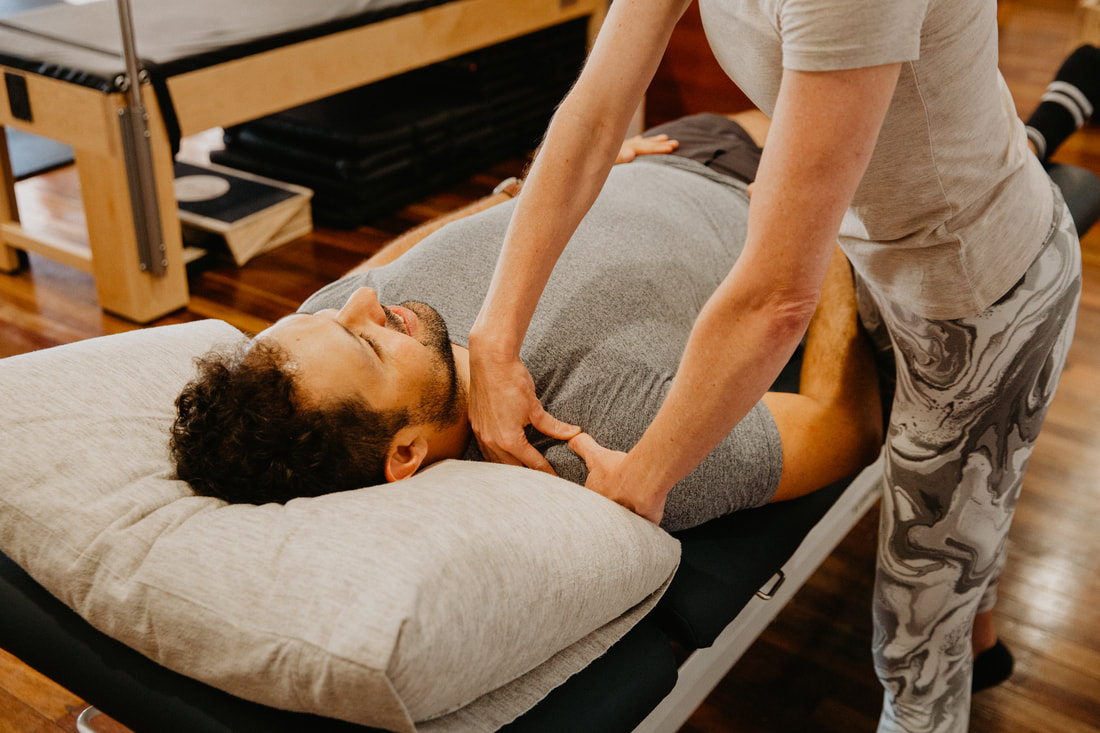
- Manual Therapy: Such as massage, joint mobilization, and stretching to alleviate pain and improve mobility.
- Tailored Exercise Rehabilitation: Specific exercises to strengthen and rehabilitate injured areas.
- Balance and Proprioception Training: Enhancing stability and body awareness.
- Pain Management Techniques: Utilizing modalities like ice therapy, heat therapy, or ultrasound.
- Injury Prevention Education: Providing guidance on safe sailing practices and conditioning.
When Should a Sailor Consult a Physiotherapist?
Professional guidance is recommended in several scenarios:
- Post-Injury: For an accurate diagnosis and a comprehensive rehabilitation plan.
- Persistent Pain or Discomfort: Especially if it affects sailing performance or quality of life.
- Performance Enhancement: To improve sailing skills and reduce injury risk.
- Preventive Measures: Learning effective methods to minimize future injury risks.
How Can Physiotherapy Help in Long-Term Injury Prevention for Sailors?
Long-term injury prevention is essential for sailors:
- Personalized Exercise Programs: Focused on the specific needs of sailors, considering strength, flexibility, and balance.
- Regular Physical Assessments: To monitor progress and adjust training as needed.
- Technique Analysis and Improvement: Ongoing refinement of sailing techniques.
- Nutritional and Lifestyle Advice: To support overall health and enhance sailing performance.
What Recovery Strategies Should Sailors Employ?
Effective recovery strategies are crucial for sailors:
- Active Recovery: Engaging in light activities to promote circulation and muscle recovery.
- Nutrition and Hydration: Key for muscle repair and maintaining energy levels.
- Adequate Sleep: Critical for physical and mental recovery.
- Stress Management: Utilizing relaxation techniques to maintain a healthy mental state.
If you have been injured during sailing, there are many things that our Tarragindi physiotherapists can do to help get you back to being sport ready and active again so come in and speak to our friendly physiotherapists today! Feel free to give our Tarragindi Physiotherapy clinic a call on 07 3706 3407 or email [email protected]