articulate.
  • HOME
    • Our Team >
      • Mauricio Bara
      • Ash O'Regan
      • Bethany Kippen (nee Bethany Dick)
      • Eliane Machado
      • Emma Cameron
      • Yulia Khasyanova
  • BOOKINGS
    • Patient Portal
  • PHYSIOTHERAPY SERVICES
    • Physiotherapy Services & Pricing >
      • Physiotherapy FAQs
      • Pregnancy Physiotherapy
      • Postnatal Physiotherapy
      • Mastitis Physiotherapy
    • Physiotherapy for Teenagers
    • Chronic Disease Management Plan Physiotherapy
    • CTP Physiotherapy
    • Dance Physiotherapy >
      • Pre-Pointe Assessments
    • Dry Needling
    • NDIS Physiotherapy
    • Real Time Ultrasound
    • Telehealth Online Physiotherapy
    • Workcover Physiotherapy
  • EXERCISE PHYSIOLOGY SERVICES
    • Exercise Physiology Services & Pricing
    • Chronic Disease Management Plan Exercise Physiology
    • CTP Exercise Physiology
    • DVA Exercise Physiology
    • NDIS Exercise Physiology
    • Workcover Exercise Physiology
  • PHYSIO & EX PHYS LED PILATES
    • Clinical Exercise Class Timetable & Pricing
    • Balance & Bones Exercise Classes
    • Diabetes Management Exercise Classes
    • Prenatal Pilates 8 Week Course >
      • Prenatal Pilates FAQs
    • Mums & Bubs Postnatal 8 Week Block >
      • Mums & Bubs Pilates FAQs
  • GENERAL PILATES
    • Reformer Pilates Timetable
    • Pilates Pricing & Passes
    • Pilates FAQs
    • Memberships
    • Pilates Privates
    • Pilates Health Fund Claiming
  • CONDITIONS WE TREAT
    • Arthritis >
      • Ankle Osteoarthritis
      • Rheumatoid Arthritis
      • Shoulder Arthritis
      • Spondyloarthropathies and Ankylosing Spondylitis
      • Osteoarthritis of the Hip
    • Spine & Back >
      • Ankylosing Spondylitis
      • Degenerative Disc Disease
      • Herniated Discs
      • Sciatica
      • Spondylolysis and Spondylolisthesis
      • Kyphosis
      • Facet Joint Syndrome
      • Spinal Stenosis
      • Sacroiliac Joint Dysfunction
      • Sacroiliitis and SIJ Pain
    • Sprains and Strains >
      • Calf Strain
      • Groin Strains
      • Ligament Sprains
      • Muscle Strains
      • Repetitive Strain Injury
    • Foot and Ankle Pain >
      • Achilles Tendinopathy
      • Bunions
      • Flat Feet
      • Hammer, Claw & Mallet Toes
      • Heel Spurs
      • Metatarsalgia
      • Morton's Neuroma
      • Plantar Fasciitis
      • Posterior Tibial Tendon Dysfunction (PTTD)
      • Sesamoiditis
      • Stress Fractures
      • Tarsal Tunnel Syndrome
    • Calf Pain >
      • Shin Splints | Medial tibial stress syndrome (MTSS)
    • Knee Pain >
      • Anterior Cruciate Ligament (ACL) Injuries
      • Baker's Cyst
      • Chondromalacia Patella
      • Iliotibial Band Syndrome
      • Posterior Cruciate Ligament (PCL) Injuries
      • Lateral Collateral Ligament (LCL) Injuries
      • Ligamentous Laxity or Hypermobility of the Knee
      • Jumper's Knee (Patellar Tendinopathy)
      • Medial Collateral Ligament (MCL) Injuries
      • Meniscal Tears
      • Osteoarthritis of the Knee
      • Knee Gout
      • Knee Dislocations
      • Knee Bursitis
      • Quadriceps Tendon Tear
      • Patellofemoral Pain Syndrome
    • Hip Pain >
      • Pelvic Girdle Pain
      • Labral Tears
      • Gluteal Tendinopathy
      • Hip Bursitis
      • Piriformis Syndrome
      • Femoroacetabular Impingment Syndrome | FAI
      • Greater Trochanteric Pain Syndrome (GTPS)
      • Hip Adductor Strain
      • Hip Fractures
      • Hip Flexor Strain
      • Snapping Hip Syndrome
    • Neck Pain >
      • Atlantoaxial Instability
      • Thoracic Outlet Syndrome
      • Cervical Instability
      • Cervical Myelopathy
      • Cervical Facet Joint Syndrome
      • Cervical Radiculopathy
      • Cervical Stenosis
      • Cervical Spondylosis
      • Cervical Disc Herniation
      • Cranio-Cervical Instability
      • Torticollis
      • Whiplash Treatment
    • Headaches and Migraines >
      • Cervicogenic Headache
    • TMJ and Jaw Pain
    • Wrist Pain >
      • Carpal Tunnel Syndrome
      • DeQuervain Tenosynovitis
    • Tennis Elbow
    • Shoulder Pain >
      • Acromioclavicular (AC) Joint Disorders
      • Brachial Plexus Injuries
      • Calcific Tendinitis
      • Frozen Shoulder
      • Glenohumeral Joint Instability
      • Rotator Cuff Injury
      • SLAP Tears (Superior Labrum Anterior to Posterior tears)
      • Shoulder Bursitis
      • Shoulder Dislocations
      • Shoulder Impingement
      • Winged Scapula
    • Bursitis
    • Fracture Rehabilitation
    • Growth related conditions >
      • Scheuermann's Disease
      • Sever's Disease
      • Osgood-Schlatter Disease
      • Sinding-Larsen-Johansson Syndrome
    • Performance Enhancement
    • Sports Injuries >
      • AFL
      • Athletic Throwing
      • Artistic Swimming
      • Baseball
      • Basketball
      • Beach Volleyball
      • Cricket
      • CrossFit
      • Cycling
      • Diving
      • Endurance Running
      • Futsal
      • Golf
      • Gymnastics
      • High Jump
      • Hockey
      • Karate
      • Kickboxing
      • Long Jump
      • MMA
      • Netball
      • Boxing
      • Pickleball
      • Powerlifting
      • Rock Climbing
      • Rowing
      • Rugby League
      • Rugby Union
      • Soccer
      • Softball
      • Strength Athletes
      • Sailing
      • Skiing
      • Snowboarding
      • Sprinting
      • Squash
      • Surfing
      • Swimming
      • Tennis
      • Touch Football
      • Triathlons
      • Volleyball
      • Water Polo
      • Weightlifting
      • Wrestling
      • Yoga
    • Chronic Pain >
      • CRPS
      • Chronic Fatigue Syndrome/Myalgic Encephalmyelitis
      • Fibromyalgia
      • Osteogenesis Imperfecta
    • Osteoporosis
    • Hypermobility >
      • Ehlers-Danlos Syndrome
      • Joint Hypermobility Syndrome
      • Loeys-Dietz Syndrome
      • Marfan Syndrome
      • Stickler Syndrome
    • POTS
    • Hypotension
    • Balance and Coordination >
      • Postural Disorders
      • Vestibular Disorders
    • Healthy Aging
    • Neurological Conditions >
      • Alzheimer's Disease
      • Concussions
      • Guillain-Barre Syndrome
      • Multiple Sclerosis
      • Peripheral Neuropathies
      • Parkinsons Disease
      • Stroke Rehabilitation
    • Post-Surgical Rehab >
      • Abdominoplasty
      • Achilles Tendon Rupture Repair
      • Acromioclavicular (AC) Joint Reconstruction
      • Ankle Ligament Repair
      • Anterior Ankle Impingement Surgery
      • Anterior Cruciate Ligament (ACL) Repair
      • Artificial Disc Replacement
      • Bunionectomy
      • Clavicle ORIF
      • Diastasis Recti Repair
      • Discectomy
      • Distal Biceps Tendon Repair
      • Flatfoot Reconstruction
      • Hamstring Tendon Repair
      • Hernia Repair
      • High Tibial Osteotomy
      • Fixations Following Fracture
      • Labral Repair
      • Laminectomy
      • LUCL Repair
      • Lisfranc Injury Repair
      • Meniscus Repair
      • Neck of Femur Fracture Fixation
      • Osteochondral Grafting or Microfracture Surgery
      • Patellar Tendon Repair
      • Patellar Tendon Transfer
      • Pelvic Fracture Fixation
      • Posterior Cruciate Ligament (PCL) Reconstruction
      • Proximal Humerus ORIF
      • Quadriceps Tendon Repair
      • Rotator Cuff Repair
      • Sacroiliac Joint Fusion
      • Scoliosis Repair
      • Shoulder Reconstruction
      • SLAP Lesion Repair
      • Spinal Fusion
      • Subacromial Decompression
      • Total Knee Replacement
      • Total Hip Replacement
      • Triple Arthrodesis
      • Ulnar Collateral Ligament Reconstruction
      • Scaphoid Fracture Fixation
      • Radial Head Replacement
      • Carpal Tunnel Release
      • Tendon Release
  • Women's Health Conditions
    • Abdominal separation (rectus diastasis or DRAMS)
    • Menopause & Perimenopause
    • Polycystic Ovary Syndrome (PCOS) Physiotherapy
    • Pregnancy-Related Issues >
      • Pregnancy-Related Back Pain
      • Diastasis Recti (Abdominal Separation)
      • Pelvic Girdle Pain (Symphysis Pubis Dysfunction)
      • Postural Changes During Pregnancy
      • Prenatal and Postnatal Exercise Guidance
  • CAREERS
  • BLOG
  • REFERRAL FORM
  • CONTACT US
  • GIFT VOUCHERS
Loeys-Dietz syndrome connective tissue disorder physiotherapy management at Articulate Physiotherapy Tarragindi Brisbane southside

Loeys-Dietz Syndrome

What is Loeys-Dietz syndrome?
Loeys-Dietz syndrome (LDS) is a rare hereditary connective tissue disorder caused by mutations in genes encoding components of the TGF-beta signalling pathway — most commonly TGFBR1, TGFBR2, SMAD3, TGFB2 or TGFB3. It was first described in 2005 by Dr Bart Loeys and Dr Hal Dietz, and is characterised by a triad of features that overlap with both Marfan syndrome and Ehlers-Danlos syndrome but has distinct and clinically critical differences from both.

LDS is estimated to affect approximately one in 500,000 people, though it is likely underdiagnosed given the overlap of its features with other connective tissue disorders and the relatively recent characterisation of the condition. Genetic testing is the definitive diagnostic method, and LDS should be considered in patients with aortic pathology and features suggesting a connective tissue disorder, even when Marfan syndrome criteria are not met.

What are the features of Loeys-Dietz syndrome?
LDS is a multi-system condition affecting connective tissue throughout the body. The most clinically significant features include:
  • Cardiovascular involvement — this is the most serious aspect of LDS and must be understood by anyone managing exercise for these patients. Aortic root dilatation — enlargement of the base of the aorta — occurs in the majority of LDS patients and carries a significant risk of aortic dissection or rupture, which can be fatal. Arterial tortuosity (abnormal winding of blood vessels) and aneurysms throughout the arterial tree are characteristic of LDS and distinguish it from Marfan syndrome, where arterial involvement tends to be more limited. Congenital heart defects including patent ductus arteriosus, atrial septal defect and bicuspid aortic valve also occur with increased frequency. Regular echocardiographic monitoring by a cardiologist experienced in connective tissue disorders is essential for all LDS patients.
  • Skeletal features — joint hypermobility, scoliosis, pectus excavatum or carinatum (chest wall deformity), and cervical spine instability — particularly atlantoaxial instability — are common. Clubfoot and craniosynostosis (premature fusion of skull sutures) may be present from birth. Joint dislocations and chronic joint pain are frequent musculoskeletal complaints.
  • Craniofacial features — widely spaced eyes (hypertelorism), a bifid uvula or cleft palate, and broad or bifid thumbs are characteristic features that help distinguish LDS from Marfan syndrome.
  • Skin findings — translucent skin, easy bruising and abnormal wound healing are seen in many patients, similar to classical EDS.

How is Loeys-Dietz syndrome diagnosed?
Diagnosis requires genetic testing identifying a pathogenic variant in one of the LDS-associated genes. Clinical features can raise suspicion but the overlap with other connective tissue disorders makes clinical diagnosis alone unreliable. Individuals with suspected LDS should be referred to a clinical geneticist. The Loeys-Dietz Syndrome Foundation at loeys-dietz.org is the leading international patient organisation and provides resources for patients and families.

Exercise precautions in Loeys-Dietz syndrome
This section is critically important. The cardiovascular involvement in LDS creates exercise precautions that are significantly more restrictive than those for EDS or Marfan syndrome, and these must be adhered to strictly.

Isometric exercises — activities that involve sustained muscle contraction without movement, such as heavy lifting, straining or bracing — produce significant increases in blood pressure that can stress the aortic wall and increase risk of dissection. These are generally contraindicated in LDS patients with aortic involvement. High-intensity cardiovascular exercise, contact sports, and activities with risk of sudden impact or fall are typically restricted or prohibited. Competitive sports are generally not recommended.

The specific exercise restrictions for each individual should be determined in consultation with their cardiologist, based on the current diameter of the aortic root, the rate of dilatation over time, and the specific gene mutation involved — some LDS subtypes carry higher vascular risk than others.

Physiotherapy for LDS must work within these medically determined parameters. Any exercise program for an LDS patient should be developed in close communication with the patient's specialist medical team.

How can physiotherapy help?
Within the constraints of appropriate exercise precautions, physiotherapy plays an important role in the musculoskeletal management of LDS. The principles overlap significantly with those for EDS — building active muscular stability around hypermobile joints, proprioceptive training, pacing and load management — but with considerably more conservative load parameters.

Joint stabilisation work for the spine, hips, knees and shoulders is central, using gentle progressive exercises that avoid the vascular stress of isometric or high-load training. Cervical instability and atlantoaxial instability — which are more prevalent and potentially more serious in LDS than in EDS — require careful assessment and conservative management.

Clinical Pilates can be appropriate for LDS patients when adapted appropriately — avoiding high-load spring resistance, prolonged breath-holding or Valsalva-like manoeuvres, and any exercises that produce significant cardiovascular demand. The movement quality and body awareness emphasis of Pilates is particularly well suited to the proprioceptive challenges of connective tissue hypermobility.

Pain management and fatigue management — both common challenges in LDS — are integrated into the overall rehabilitation approach, drawing on the same principles applied in our management of chronic pain and EDS.

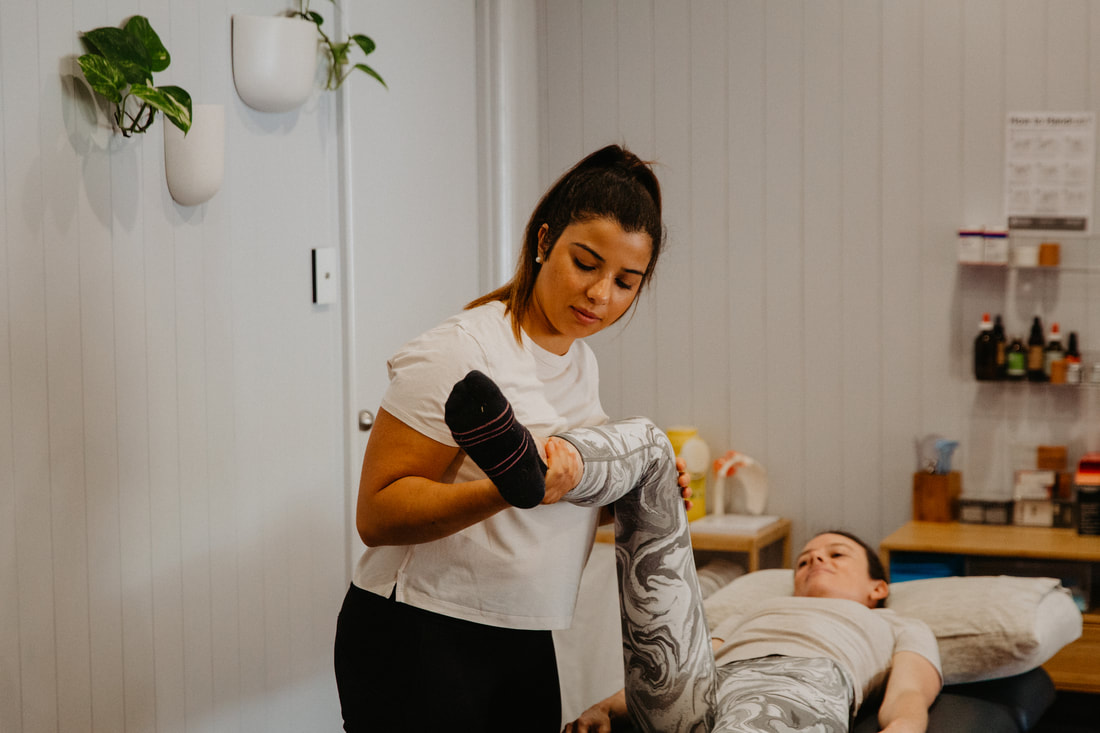
Our physiotherapist Yulia Khasyanova holds multiple certifications through the Ehlers-Danlos Society and has specialist experience in connective tissue disorders including rare syndromes with significant vascular involvement. She works closely with patients' specialist medical teams to ensure rehabilitation is conducted safely within medically appropriate parameters. Telehealth appointments are available for patients who cannot access specialist connective tissue disorder physiotherapy locally.

The Loeys-Dietz Syndrome Foundation, Connective Tissue Disorders Network Australia and Hypermobility Connect Australia all provide support and resources for patients with LDS and related conditions.
​
To book or find out more, call us on 07 3706 3407 or book online below.
BOOK YOUR INITIAL physiotherapy APPOINTMENT here

Who to book in with:

Yulia Khasyanova, Senior Physiotherapist with EDS Society certifications specialising in Loeys-Dietz syndrome and connective tissue disorders at Articulate Physiotherapy Tarragindi Brisbane southside

Yulia Khasyanova
Physiotherapist.

Find out more about yulia

    Email us.

Submit
In the spirit of reconciliation Articulate acknowledges the Traditional Custodians of country throughout Australia and their connections to land, sea and community. We pay our respect to their Elders past and present and extend that respect to all Aboriginal and Torres Strait Islander peoples today.
articulate. physiotherapy

​48 Esher St | Tarragindi | Qld | 4121

Phone 07 3706 3407

Fax 07 3036 6644

Email [email protected]

Clinic Hours
Monday - Thursday 5:00am - 7:00pm
Friday 5:00am - 5:00pm
Saturday 6:00am - 3:00pm
Sunday 7:00am - 11:00am

Please note our admin hours are 9am - 5pm Mon - Thursday, 9am - 4pm Friday and 8am - 1pm Saturday. Please leave a message if no one answers the phone and we will get back to you as soon as possible.
book online

Areas we service

We're conveniently located in Tarragindi and see patients from across Brisbane's southside, including:

​ Annerley | Camp Hill | Coorparoo | Dutton Park | Ekibin | Fairfield | Greenslopes | Holland Park | Holland Park West | Macgregor | Moorooka | Mt Gravatt | Nathan | Robertson | Salisbury | Stones Corner | Tarragindi | Wellers Hill | Yeerongpilly | Yeronga

​
If you are looking for a physio near me, or Pilates near me we would love to help!
  • HOME
    • Our Team >
      • Mauricio Bara
      • Ash O'Regan
      • Bethany Kippen (nee Bethany Dick)
      • Eliane Machado
      • Emma Cameron
      • Yulia Khasyanova
  • BOOKINGS
    • Patient Portal
  • PHYSIOTHERAPY SERVICES
    • Physiotherapy Services & Pricing >
      • Physiotherapy FAQs
      • Pregnancy Physiotherapy
      • Postnatal Physiotherapy
      • Mastitis Physiotherapy
    • Physiotherapy for Teenagers
    • Chronic Disease Management Plan Physiotherapy
    • CTP Physiotherapy
    • Dance Physiotherapy >
      • Pre-Pointe Assessments
    • Dry Needling
    • NDIS Physiotherapy
    • Real Time Ultrasound
    • Telehealth Online Physiotherapy
    • Workcover Physiotherapy
  • EXERCISE PHYSIOLOGY SERVICES
    • Exercise Physiology Services & Pricing
    • Chronic Disease Management Plan Exercise Physiology
    • CTP Exercise Physiology
    • DVA Exercise Physiology
    • NDIS Exercise Physiology
    • Workcover Exercise Physiology
  • PHYSIO & EX PHYS LED PILATES
    • Clinical Exercise Class Timetable & Pricing
    • Balance & Bones Exercise Classes
    • Diabetes Management Exercise Classes
    • Prenatal Pilates 8 Week Course >
      • Prenatal Pilates FAQs
    • Mums & Bubs Postnatal 8 Week Block >
      • Mums & Bubs Pilates FAQs
  • GENERAL PILATES
    • Reformer Pilates Timetable
    • Pilates Pricing & Passes
    • Pilates FAQs
    • Memberships
    • Pilates Privates
    • Pilates Health Fund Claiming
  • CONDITIONS WE TREAT
    • Arthritis >
      • Ankle Osteoarthritis
      • Rheumatoid Arthritis
      • Shoulder Arthritis
      • Spondyloarthropathies and Ankylosing Spondylitis
      • Osteoarthritis of the Hip
    • Spine & Back >
      • Ankylosing Spondylitis
      • Degenerative Disc Disease
      • Herniated Discs
      • Sciatica
      • Spondylolysis and Spondylolisthesis
      • Kyphosis
      • Facet Joint Syndrome
      • Spinal Stenosis
      • Sacroiliac Joint Dysfunction
      • Sacroiliitis and SIJ Pain
    • Sprains and Strains >
      • Calf Strain
      • Groin Strains
      • Ligament Sprains
      • Muscle Strains
      • Repetitive Strain Injury
    • Foot and Ankle Pain >
      • Achilles Tendinopathy
      • Bunions
      • Flat Feet
      • Hammer, Claw & Mallet Toes
      • Heel Spurs
      • Metatarsalgia
      • Morton's Neuroma
      • Plantar Fasciitis
      • Posterior Tibial Tendon Dysfunction (PTTD)
      • Sesamoiditis
      • Stress Fractures
      • Tarsal Tunnel Syndrome
    • Calf Pain >
      • Shin Splints | Medial tibial stress syndrome (MTSS)
    • Knee Pain >
      • Anterior Cruciate Ligament (ACL) Injuries
      • Baker's Cyst
      • Chondromalacia Patella
      • Iliotibial Band Syndrome
      • Posterior Cruciate Ligament (PCL) Injuries
      • Lateral Collateral Ligament (LCL) Injuries
      • Ligamentous Laxity or Hypermobility of the Knee
      • Jumper's Knee (Patellar Tendinopathy)
      • Medial Collateral Ligament (MCL) Injuries
      • Meniscal Tears
      • Osteoarthritis of the Knee
      • Knee Gout
      • Knee Dislocations
      • Knee Bursitis
      • Quadriceps Tendon Tear
      • Patellofemoral Pain Syndrome
    • Hip Pain >
      • Pelvic Girdle Pain
      • Labral Tears
      • Gluteal Tendinopathy
      • Hip Bursitis
      • Piriformis Syndrome
      • Femoroacetabular Impingment Syndrome | FAI
      • Greater Trochanteric Pain Syndrome (GTPS)
      • Hip Adductor Strain
      • Hip Fractures
      • Hip Flexor Strain
      • Snapping Hip Syndrome
    • Neck Pain >
      • Atlantoaxial Instability
      • Thoracic Outlet Syndrome
      • Cervical Instability
      • Cervical Myelopathy
      • Cervical Facet Joint Syndrome
      • Cervical Radiculopathy
      • Cervical Stenosis
      • Cervical Spondylosis
      • Cervical Disc Herniation
      • Cranio-Cervical Instability
      • Torticollis
      • Whiplash Treatment
    • Headaches and Migraines >
      • Cervicogenic Headache
    • TMJ and Jaw Pain
    • Wrist Pain >
      • Carpal Tunnel Syndrome
      • DeQuervain Tenosynovitis
    • Tennis Elbow
    • Shoulder Pain >
      • Acromioclavicular (AC) Joint Disorders
      • Brachial Plexus Injuries
      • Calcific Tendinitis
      • Frozen Shoulder
      • Glenohumeral Joint Instability
      • Rotator Cuff Injury
      • SLAP Tears (Superior Labrum Anterior to Posterior tears)
      • Shoulder Bursitis
      • Shoulder Dislocations
      • Shoulder Impingement
      • Winged Scapula
    • Bursitis
    • Fracture Rehabilitation
    • Growth related conditions >
      • Scheuermann's Disease
      • Sever's Disease
      • Osgood-Schlatter Disease
      • Sinding-Larsen-Johansson Syndrome
    • Performance Enhancement
    • Sports Injuries >
      • AFL
      • Athletic Throwing
      • Artistic Swimming
      • Baseball
      • Basketball
      • Beach Volleyball
      • Cricket
      • CrossFit
      • Cycling
      • Diving
      • Endurance Running
      • Futsal
      • Golf
      • Gymnastics
      • High Jump
      • Hockey
      • Karate
      • Kickboxing
      • Long Jump
      • MMA
      • Netball
      • Boxing
      • Pickleball
      • Powerlifting
      • Rock Climbing
      • Rowing
      • Rugby League
      • Rugby Union
      • Soccer
      • Softball
      • Strength Athletes
      • Sailing
      • Skiing
      • Snowboarding
      • Sprinting
      • Squash
      • Surfing
      • Swimming
      • Tennis
      • Touch Football
      • Triathlons
      • Volleyball
      • Water Polo
      • Weightlifting
      • Wrestling
      • Yoga
    • Chronic Pain >
      • CRPS
      • Chronic Fatigue Syndrome/Myalgic Encephalmyelitis
      • Fibromyalgia
      • Osteogenesis Imperfecta
    • Osteoporosis
    • Hypermobility >
      • Ehlers-Danlos Syndrome
      • Joint Hypermobility Syndrome
      • Loeys-Dietz Syndrome
      • Marfan Syndrome
      • Stickler Syndrome
    • POTS
    • Hypotension
    • Balance and Coordination >
      • Postural Disorders
      • Vestibular Disorders
    • Healthy Aging
    • Neurological Conditions >
      • Alzheimer's Disease
      • Concussions
      • Guillain-Barre Syndrome
      • Multiple Sclerosis
      • Peripheral Neuropathies
      • Parkinsons Disease
      • Stroke Rehabilitation
    • Post-Surgical Rehab >
      • Abdominoplasty
      • Achilles Tendon Rupture Repair
      • Acromioclavicular (AC) Joint Reconstruction
      • Ankle Ligament Repair
      • Anterior Ankle Impingement Surgery
      • Anterior Cruciate Ligament (ACL) Repair
      • Artificial Disc Replacement
      • Bunionectomy
      • Clavicle ORIF
      • Diastasis Recti Repair
      • Discectomy
      • Distal Biceps Tendon Repair
      • Flatfoot Reconstruction
      • Hamstring Tendon Repair
      • Hernia Repair
      • High Tibial Osteotomy
      • Fixations Following Fracture
      • Labral Repair
      • Laminectomy
      • LUCL Repair
      • Lisfranc Injury Repair
      • Meniscus Repair
      • Neck of Femur Fracture Fixation
      • Osteochondral Grafting or Microfracture Surgery
      • Patellar Tendon Repair
      • Patellar Tendon Transfer
      • Pelvic Fracture Fixation
      • Posterior Cruciate Ligament (PCL) Reconstruction
      • Proximal Humerus ORIF
      • Quadriceps Tendon Repair
      • Rotator Cuff Repair
      • Sacroiliac Joint Fusion
      • Scoliosis Repair
      • Shoulder Reconstruction
      • SLAP Lesion Repair
      • Spinal Fusion
      • Subacromial Decompression
      • Total Knee Replacement
      • Total Hip Replacement
      • Triple Arthrodesis
      • Ulnar Collateral Ligament Reconstruction
      • Scaphoid Fracture Fixation
      • Radial Head Replacement
      • Carpal Tunnel Release
      • Tendon Release
  • Women's Health Conditions
    • Abdominal separation (rectus diastasis or DRAMS)
    • Menopause & Perimenopause
    • Polycystic Ovary Syndrome (PCOS) Physiotherapy
    • Pregnancy-Related Issues >
      • Pregnancy-Related Back Pain
      • Diastasis Recti (Abdominal Separation)
      • Pelvic Girdle Pain (Symphysis Pubis Dysfunction)
      • Postural Changes During Pregnancy
      • Prenatal and Postnatal Exercise Guidance
  • CAREERS
  • BLOG
  • REFERRAL FORM
  • CONTACT US
  • GIFT VOUCHERS